Hours And Schedule
Closes In 1h 52m
Opening Hours
Special Hours
Important Notes
Last admission is typically 1 hour before closing. Advance booking is recommended during weekends and peak periods; some entry slots may sell out. Tickets are required for museum entry; reduced and free-admission categories may be available with valid eligibility documentation.
Visit Timing
Best Time To Go
You’ll get cooler temperatures, softer light for photos (especially from the terrace over the Tiber and St. Peter’s), and noticeably smaller crowds inside the narrow corridors and ramparts.
Arrive 10 - 15 minutes before opening to be among the first through security. If visiting in summer, morning also avoids the hottest hours on the rooftop terrace, which has limited shade.
Seasonal Guide
These shoulder seasons balance comfortable walking weather with good visibility for panoramic views, while avoiding the heaviest summer tourist surge. The riverside approach (Lungotevere) and Ponte Sant’Angelo are particularly pleasant in mild temperatures.
Climate: Spring/Fall typically bring mild daytime temperatures and lower heat stress than June - August; occasional rain is possible, especially in fall. Summer can be hot and humid on exposed terraces; winter is cooler with shorter daylight but can be quieter.
For the most scenic experience, aim for clear days after a rain shower (often better visibility) and consider weekday visits in spring/fall to reduce school-holiday crowding.
Peak hours
Packing Guide
By Season
Extra Tips
Tours And Guides
Castel Sant’Angelo is a state museum site where on-site service availability (especially audio-guide stock and exact languages/prices) can vary. Many visitors use licensed guides (private/small-group) booked online. If you need exact current pricing/language confirmation for the on-site audio guide on your visit date, verify with the official museum/ticketing channel or the specific ticket package you intend to buy.
Expert Guides
How to book Typically booked in advance via authorized tour operators/marketplaces (online) or directly with a licensed Rome tourist guide. Some last-minute options may be available near the site, but advance booking is recommended, especially in peak season.
Audio Tours
Commonly available on-site at the ticket office/entrance area (subject to availability) and also frequently offered as an add-on when purchasing tickets or packages through official/authorized online ticketing channels and tour operators.
App Guides
Online Experiences
Availability depends on third-party platforms and occasional special/educational initiatives; offerings vary (live remote guided tours, pre-recorded virtual visits). These are generally booked online through the provider’s website/platform.
Top activities
How to Get There
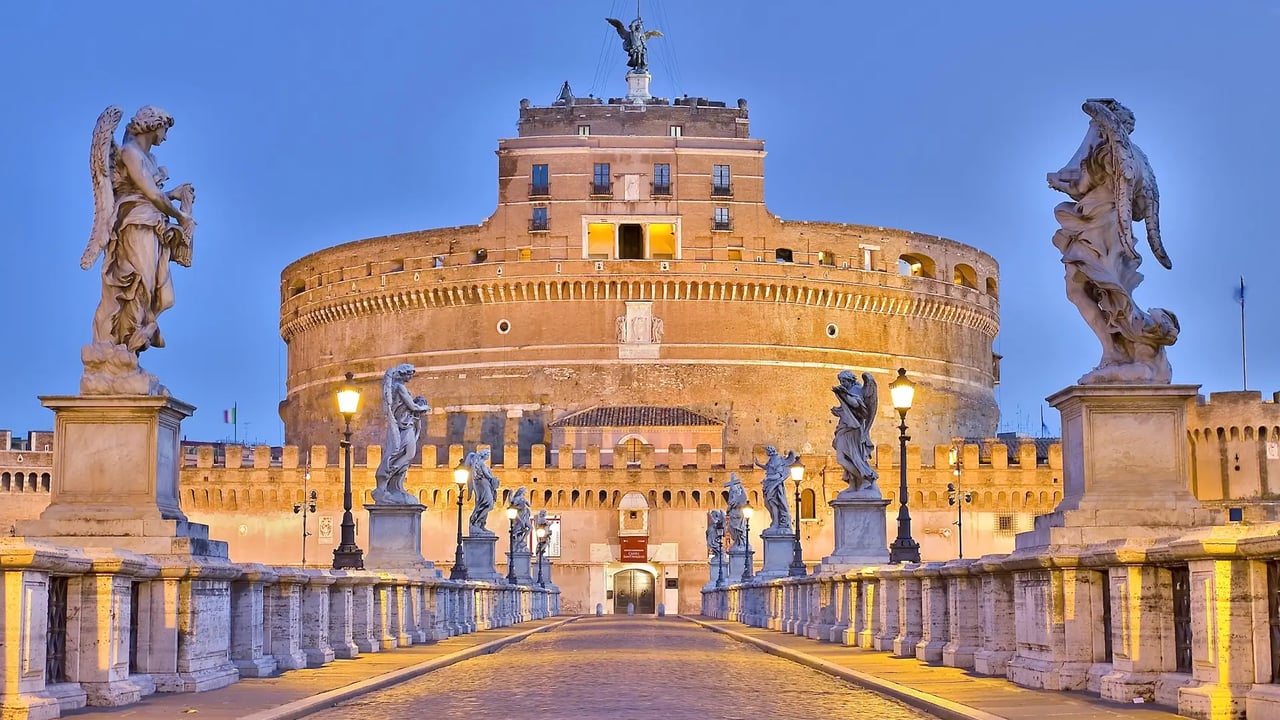
Castel Sant’Angelo is a prominent riverside fortress-museum in central Rome, located on the right bank of the Tiber River in the district (rione) of Borgo, adjacent to Vatican City. It sits at the end of the grand bridge Ponte Sant’Angelo - lined with famous angel statues - and anchors the short ceremonial approach that leads from the river toward St. Peter’s Basilica. Nearby, some of Rome’s most significant sites are within easy walking distance: St. Peter’s Square and St. Peter’s Basilica (Vatican City) are just to the west; the Vatican Museums and the Sistine Chapel are a bit farther northwest. To the east and southeast across or along the river you can reach the historic center (Centro Storico), including Piazza Navona and Campo de’ Fiori, while the elegant streets around Via della Conciliazione connect the area directly to the Vatican. This part of Rome is special because it concentrates layers of the city’s history in a compact, walkable area: Castel Sant’Angelo began as Emperor Hadrian’s mausoleum, later became a papal fortress, and is linked to the Vatican by the elevated “Passetto di Borgo,” a defensive corridor used by popes in times of danger. It is worth visiting for its rare blend of ancient Roman architecture and papal-era fortifications, its museum interiors, and especially its panoramic terrace views over the Tiber, the domes of Rome, and St. Peter’s - particularly striking at sunset or in the evening when the bridge and riverfront are illuminated.
Local Legends
One of the most famous tales says that an angel appeared above the fortress and calmly signaled that a difficult period for the city was ending. The story adds a playful touch to the huge, sturdy building: instead of feeling like an intimidating stone giant, it becomes a place where a reassuring sign appeared in the sky - like a heavenly “all good now” message.
Background
The castle’s very name, “Sant’Angelo,” and the angel statue on top are linked to medieval storytelling and popular devotion. Over time, visitors began to treat the angel as the landmark’s friendly mascot and guardian figure.
Impact On Visitors
Tourists often look up at the rooftop angel and imagine the moment as a cinematic scene. It turns a serious-looking monument into a place with a hopeful, uplifting personality - great for photos and for kids who like hero-style stories.
Additional Details
Guides sometimes invite visitors to spot the angel from different angles along the river and bridge, as if playing a small “Where’s the angel?” game across Rome’s skyline.

A popular story highlights a hidden elevated corridor linking the Vatican area to Castel Sant’Angelo. Even when told in a gentle, family-friendly way, the idea delights visitors: it feels like Rome has a built-in shortcut reserved for VIP errands, surprise arrivals, or dramatic escapes - exactly the kind of detail that makes people whisper, “No way, really?”
Background
The real corridor (the Passetto di Borgo) exists, and centuries of storytelling turned it into a favorite “Rome has secret routes!” legend. Over time, retellings grew more theatrical, like a scene from an adventure story.
Impact On Visitors
It makes the castle feel like part of an enormous, interconnected puzzle. Visitors often scan the walls and nearby streets trying to imagine where the corridor runs, which adds a fun treasure-hunt vibe to sightseeing.
Additional Details
Even when access is limited, just knowing it’s there changes how people view the neighborhood - suddenly the castle is not only a building, but a clever node in a hidden network.
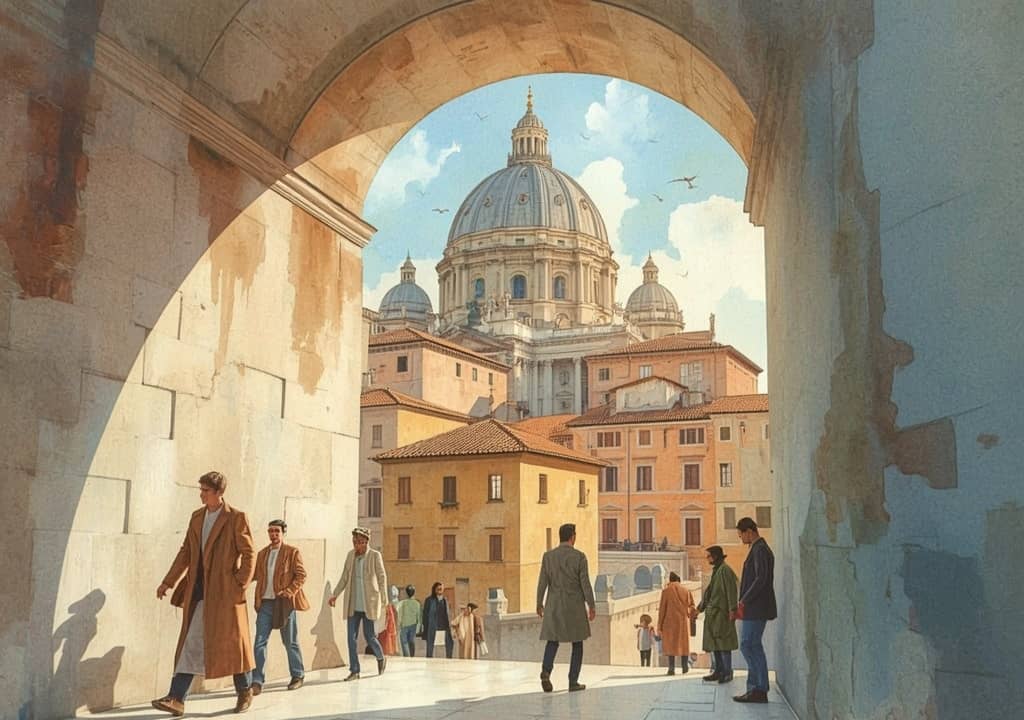
Because the building began as Emperor Hadrian’s monumental structure and later took on many new roles, guides sometimes joke that it’s like Rome’s biggest travel trunk: one place that kept getting repurposed, reorganized, and filled with new ‘stuff’ across the centuries. The humor is in imagining the city constantly redecorating the same enormous ‘container.’
Background
The landmark’s long timeline - Roman origins, later additions, and changing uses - invites playful comparisons. Over time, this kind of joke became a friendly way to summarize many centuries in one memorable image.
Impact On Visitors
It helps people remember that Castel Sant’Angelo is not just one era frozen in time. Visitors come away amused and impressed by how one structure can reinvent itself again and again.
Additional Details
On tours, this often pairs with a spot-the-changes challenge: guests try to identify which parts look more Roman, which feel medieval, and which seem like later upgrades - like noticing patches on an old, beloved suitcase.
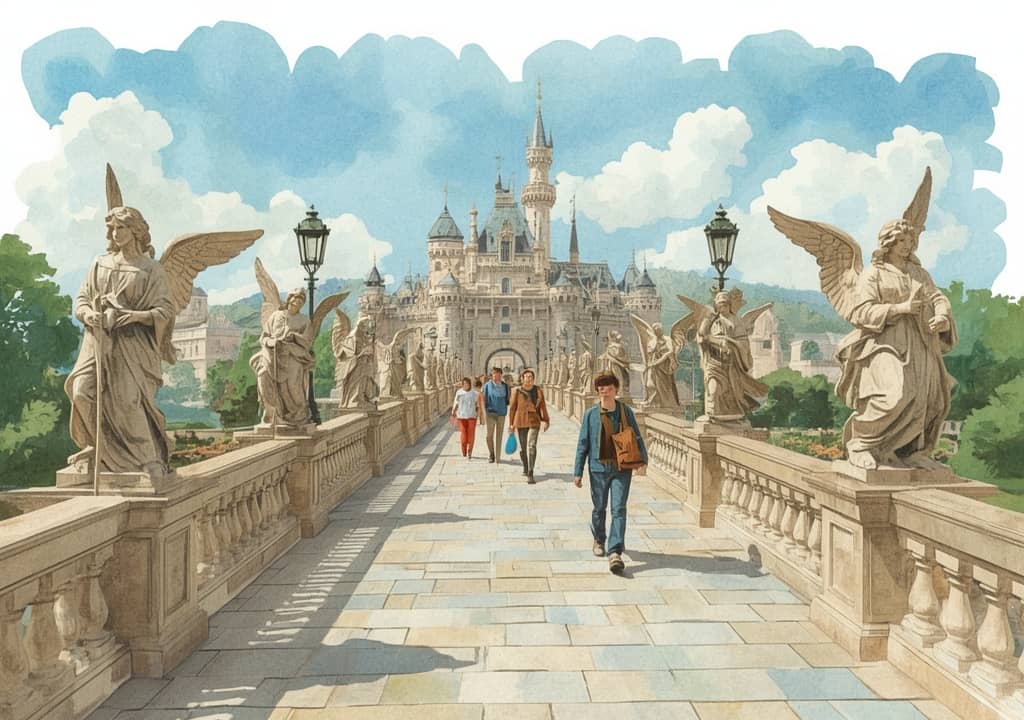
The bridge leading to the castle is lined with angel sculptures that feel like a cheerful parade. A modern, family-friendly rumor says that if you stroll across slowly and quietly make a wish, the ‘angel lineup’ will pass the message along - like a polite relay team. It’s not an official tradition, but it’s the kind of playful custom visitors love to adopt.
Background
Rome is full of wish-making spots, and the angel statues naturally inspire imaginative rituals. As travelers shared the idea online and in travel chatter, it became a charming “why not try it?” moment.
Impact On Visitors
It turns the approach to the castle into an experience, not just a walk. People linger, notice details on each sculpture, and feel a little extra spark of wonder before arriving at the entrance.
Additional Details
Many visitors pair the wish with a mini-photo quest: take one picture of a favorite angel, then later compare images with friends to see who picked the most expressive face or the most dramatic pose.
Frequently Asked Questions
It’s a fortress-museum on the Tiber River, originally built as Emperor Hadrian’s mausoleum (2nd century AD). It later became a papal stronghold and is famous for its layered history, panoramic terrace, and connection to the Vatican via a secret passage.
Key highlights include Hadrian’s Mausoleum core, the ramped passages, Renaissance papal apartments with frescoes, the prison and military areas, and the rooftop terrace with views over Rome and St. Peter’s Basilica.
Go early morning for smaller crowds and cooler temperatures, or late afternoon for golden-hour light and great terrace views. Midday is typically the busiest.
Spring (April - May) and early fall (September - October) usually offer the best balance of weather and crowds. Summer can be very hot; winter is quieter but can be rainy.
Plan 1.5 - 2 hours for a comfortable visit; 2 - 3 hours if you want to read exhibits thoroughly and linger on the terrace.
A popular route is: Piazza Navona → (10 - 15 min walk) Castel Sant’Angelo → cross Ponte Sant’Angelo → continue to St. Peter’s Square/Vatican Museums (timed tickets recommended). It also pairs well with a riverside walk along the Tiber.
Castel Sant’Angelo is historically linked to the Vatican by the Passetto di Borgo, used by popes as an escape route. Access is generally not part of the standard ticket; special guided openings may occur on limited dates.
Wear comfortable walking shoes (ramps, steps, uneven surfaces). Bring water in warm months, sun protection for the terrace, and a light layer in cooler seasons. A small bag is easiest to manage in narrow passages.
Many areas involve ramps and stairs; accessibility can be limited in parts of the historic structure. Families often enjoy the castle feel and terrace views, but plan extra time and consider mobility needs before visiting.
Buy tickets in advance when possible, arrive at opening time, and head toward the upper levels/terrace early before they get congested. Weekdays are usually calmer than weekends, and sunset is beautiful but popular.
Top Vatican stops within easy walking distance
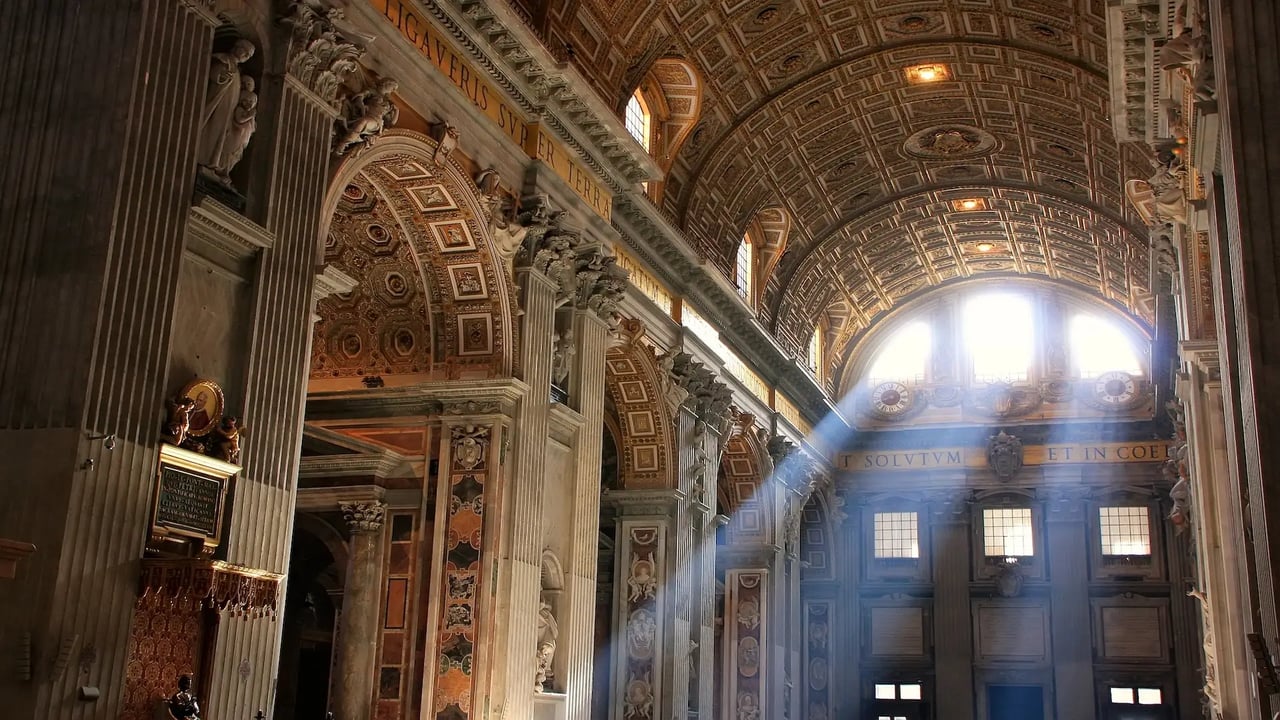
How to Visit Saint Peter's Basilica in Rome
Few places feel as awe-inspiring the moment you step inside. This article breaks down where the basilica sits, opening hours, ideal seasons, and what to bring. You’ll also find accessibility notes, guide/audio options, quick FAQs, plus entertaining myths to share on-site.
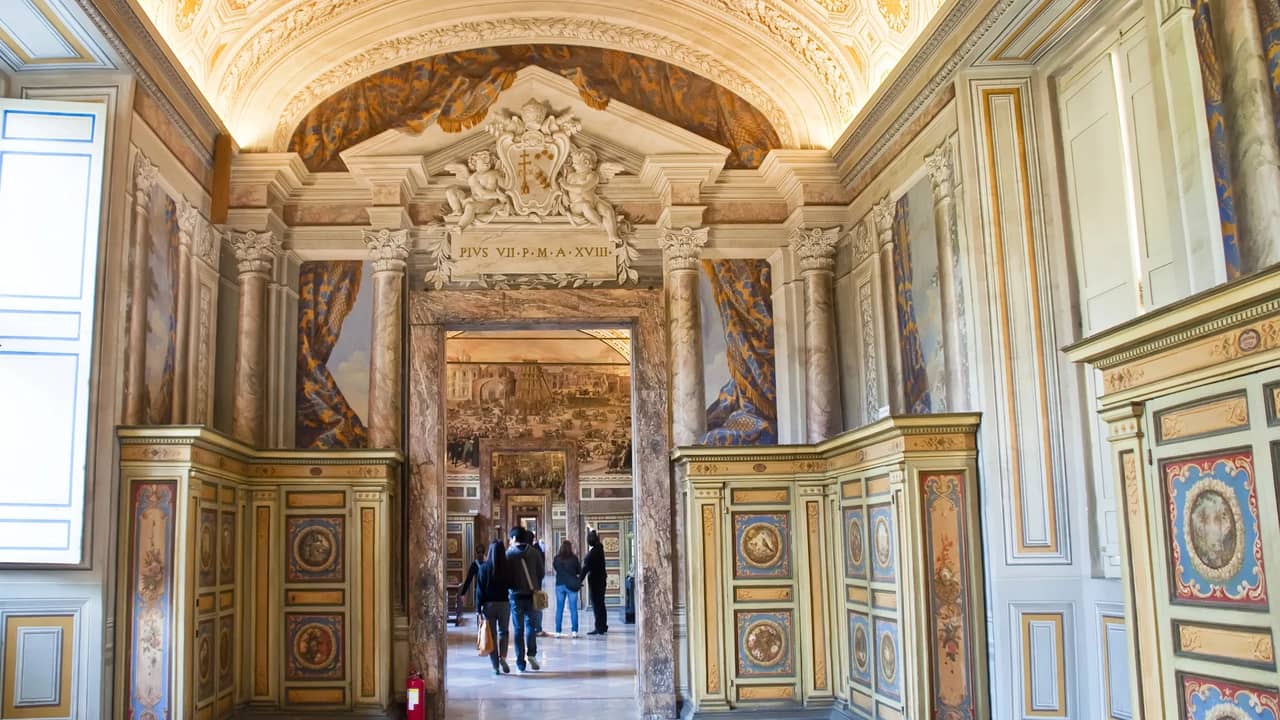
Everything You Need Before Visiting the Vatican Museums
Art overload in the best way - this visit rewards smart timing. Find where to enter, opening hours, and the quietest slots. Pack the right essentials, learn about elevators and step-free paths, compare guided tours versus audio options, and use the FAQ to avoid common mistakes.
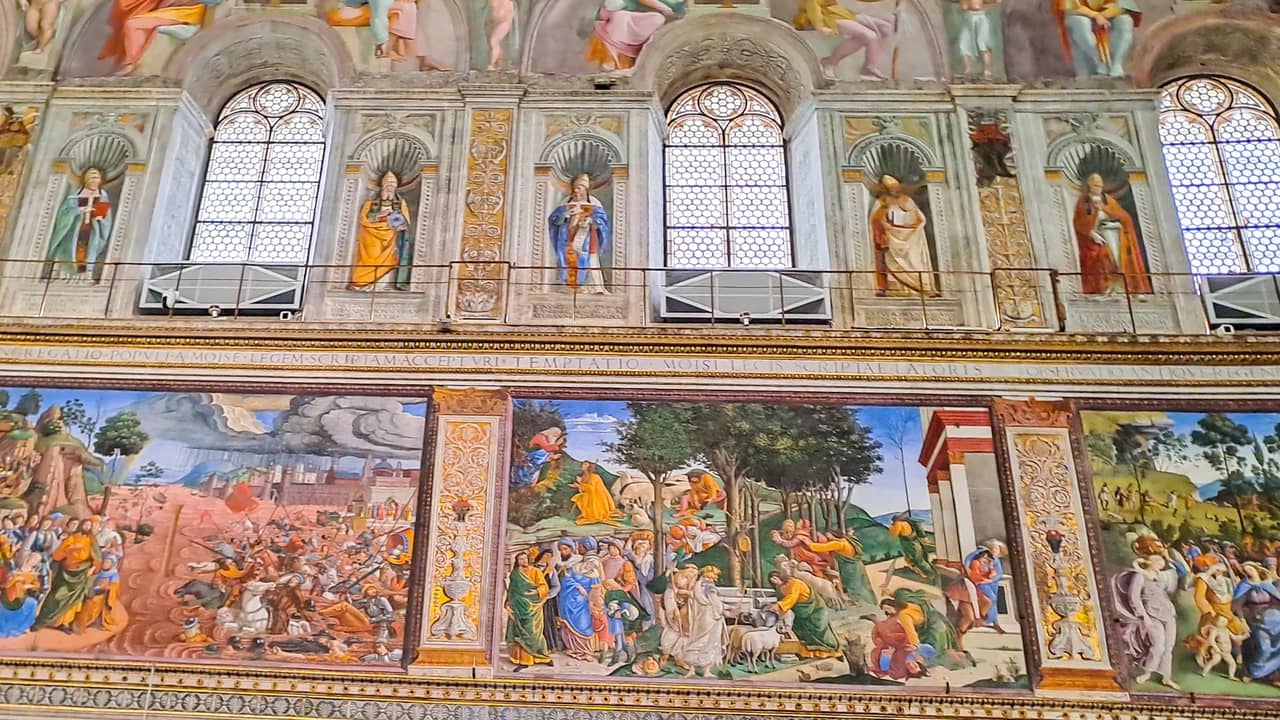
Everything You Need Before Visiting the Sistine Chapel
Few rooms on earth feel this overwhelming up close. This article breaks down where the Sistine Chapel sits inside the Vatican Museums, opening hours, the calmest time slots, and what you’re allowed to bring. You’ll also find accessibility notes, audio-guide options, myths, and quick FAQs to save time.
Rome’s historic center highlights across the river
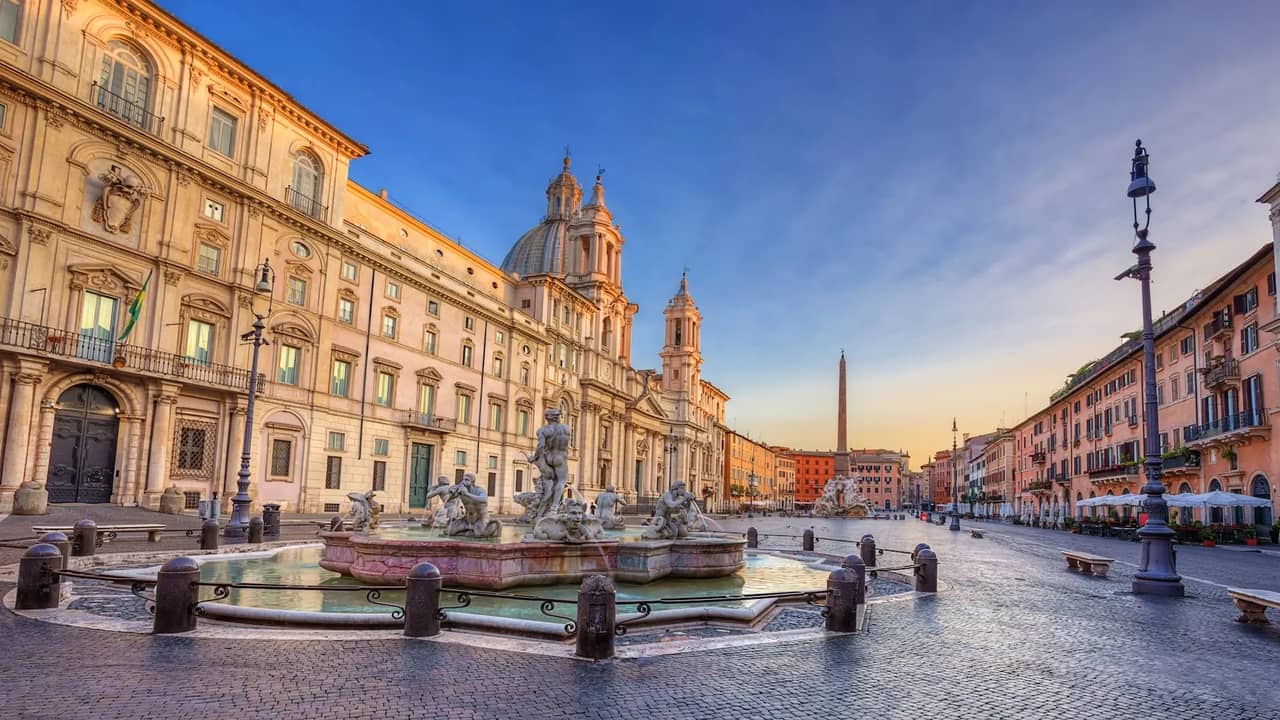
Everything You Need Before Visiting Piazza Navona
Few squares feel as theatrical after sunset as this one. Use our traveler-focused breakdown for the easiest experience: where it sits, when crowds thin out, what to pack for photos and comfort, quick myth-filled trivia, accessibility notes, and a practical FAQ to save time on arrival.
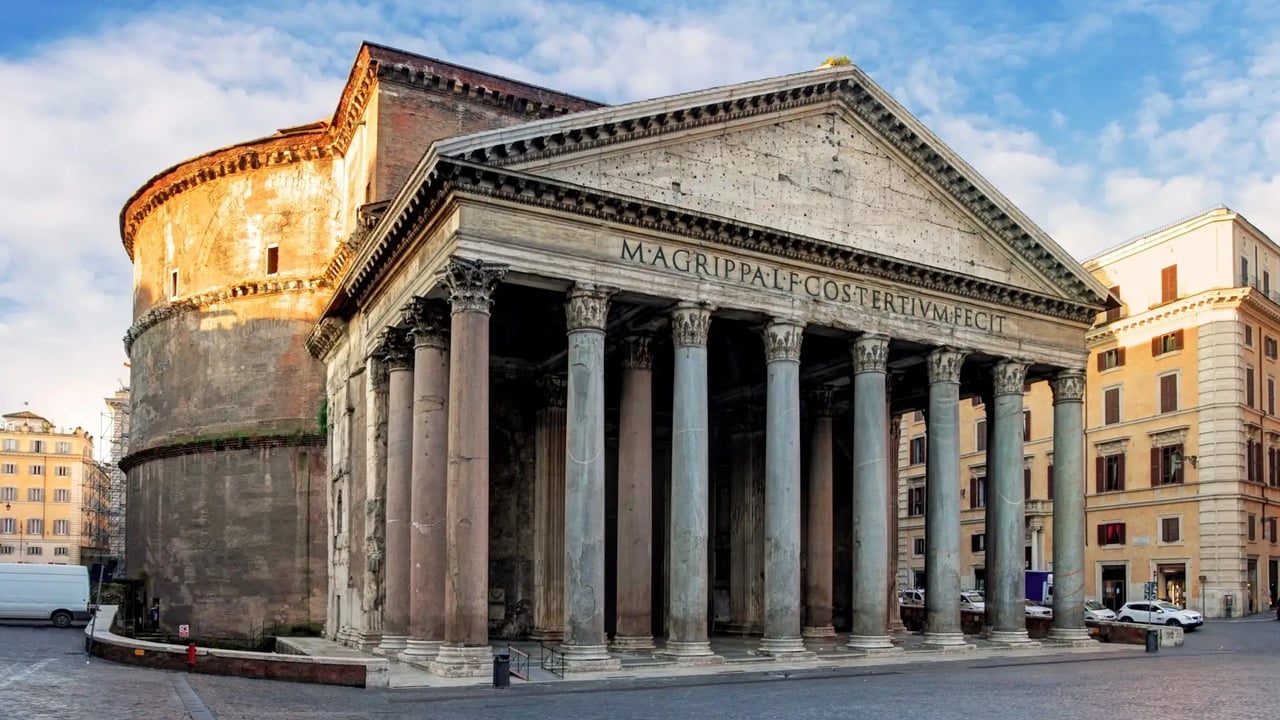
Everything You Need Before Visiting the Pantheon in Rome
One building, two millennia of wonder. This article breaks down where the Pantheon sits, current opening times, and the best hours to avoid crowds. You’ll also get a simple packing checklist, accessibility notes, and whether guided tours or audio guides are worth it, plus myths and quick FAQs.
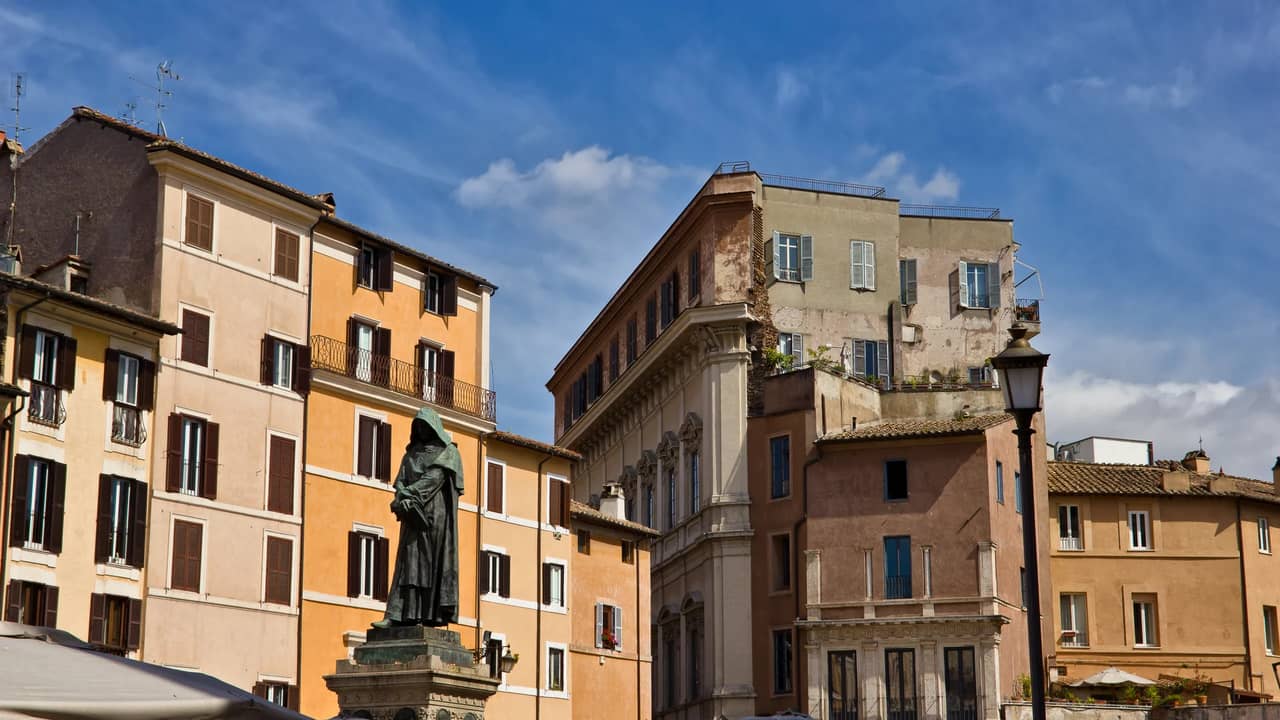
Everything You Need Before Visiting Campo de' Fiori
By day it’s a produce-packed market; after sunset it turns into a lively square. Use this article to time your stop, find the easiest routes, and know what to pack. You’ll also get quick notes on accessibility, safety basics, plus a few local myths and funny tales to listen for.