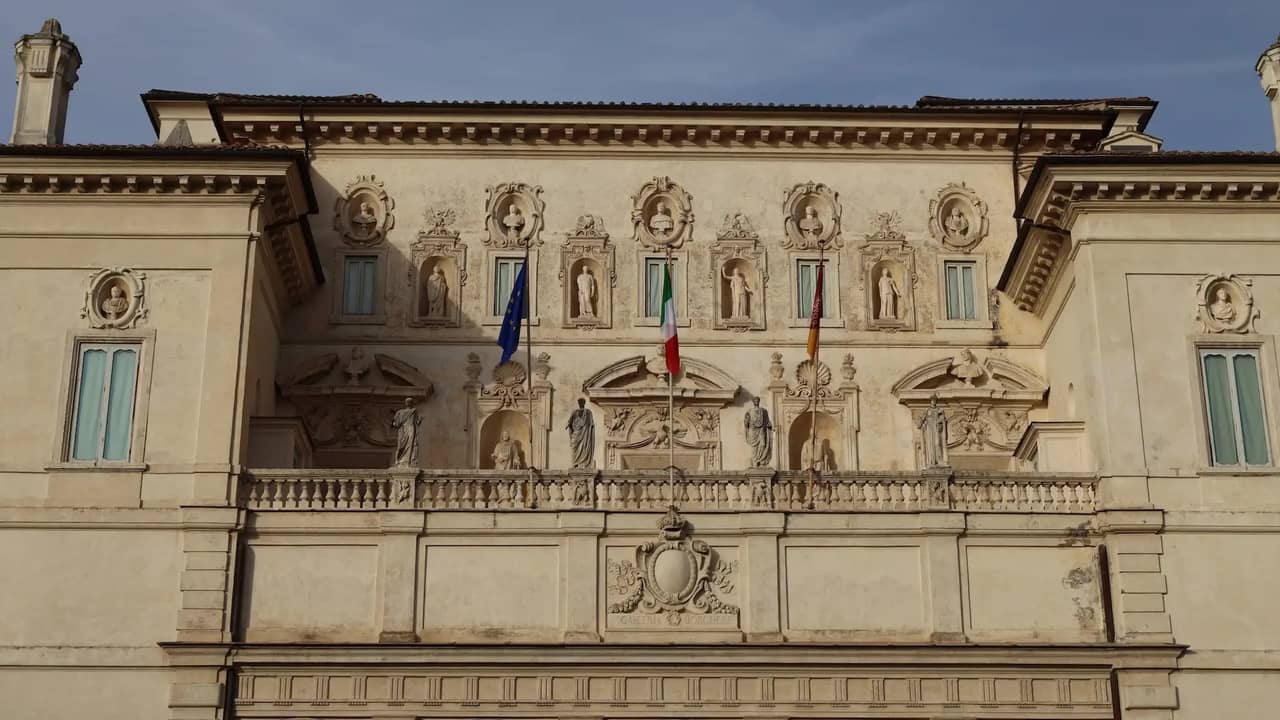
Hours And Schedule
Opens At 00:00
Opening Hours
Special Hours
Important Notes
Timed entry visits; last entrance is at 17:45. Advance reservation is required for all visitors (including free/under-18 tickets). Visits are limited in duration (typically 2 hours, with a shorter final slot). Large bags/backpacks are not allowed inside and must be checked.
Visit Timing
Best Time To Go
You’ll typically encounter the calmest galleries and the freshest energy for an art-heavy visit. Early sessions tend to feel less rushed, with fewer people arriving late from other sightseeing, making it easier to appreciate key works (Bernini sculptures, Caravaggio paintings) without persistent clustering.
Galleria Borghese uses timed-entry slots with a fixed visit duration, so the main comfort difference is how busy the city (and Borghese Gardens outside) feels around your slot. Aim to arrive 20 - 30 minutes early for security and ticket checks; the first slot of the day is usually the smoothest.
Seasonal Guide
These shoulder seasons balance pleasant temperatures with generally lighter tourist pressure than midsummer, and they enhance the overall experience because the approach through Villa Borghese gardens is especially scenic and comfortable before/after your museum slot.
Climate: Spring and fall are typically mild to warm (comfortable for walking to/from the museum and enjoying the park). Summer can be hot and humid, increasing discomfort and making the gardens feel crowded; winter is cooler with shorter days but can be quieter overall.
For scenery, spring is best for greenery and flowering landscaping in Villa Borghese; fall offers softer light and comfortable strolling conditions. If you’re visiting in summer, prioritize an early-morning entry to avoid peak heat and the busiest park hours.
Peak hours
Packing Guide
By Season
Extra Tips
Tours And Guides
Galleria Borghese uses strict timed-entry slots and controlled capacity; guided tours generally include (or require) a pre-booked reservation. Audio-guide availability is subject to on-site inventory and operational policies on the day of visit. For the most up-to-date official terms (including current audio-guide price/languages and pickup point inside the museum), check the official Galleria Borghese ticketing/visitor information pages before visiting.
Expert Guides
How to book Typically booked in advance via licensed tour operators and ticketing platforms (e.g., guided tour products that include the timed-entry reservation). On-site availability is limited due to strict timed-entry capacity; advance booking is strongly recommended.
Audio Tours
On-site rental at the museum (requested/added during entry/ticket processing when available). Some third-party ticket sellers may offer it as an add-on during online booking, subject to on-site stock.
App Guides
Online Experiences
Third-party virtual tours and online guided experiences are available (live video-guided or pre-recorded). Availability, language, and pricing depend on provider; typically booked online through tour platforms.
Top activities
How to Get There
Galleria Borghese (Borghese Gallery) is located in Rome, Italy, inside Villa Borghese - Rome’s large historic park just north of the city center. Administratively it sits in the Pinciano area, within the Municipio II (Parioli/Nomentano) district, a neighborhood known for elegant avenues, museums, and proximity to major cultural sites. Nearby notable places include the Villa Borghese Gardens themselves (a major green refuge in central Rome), the Pincio Terrace (Terrazza del Pincio) with its panoramic views toward Piazza del Popolo and the city’s domes, Piazza del Popolo at the park’s southern edge, and the Spanish Steps (Piazza di Spagna), which are a short walk away through the park or along adjacent streets. Also close are the Bioparco di Roma (Rome’s zoo), the modern-art museum Galleria Nazionale d’Arte Moderna e Contemporanea (GNAM), and Via Veneto, famous for its “La Dolce Vita” atmosphere and grand hotels. This part of Rome is special because it combines world-class art with one of the city’s most beautiful landscaped areas, offering a contrast to the dense historic center: you can move from museum galleries to shaded paths, viewpoints, and lakeside прогулades within minutes. It is worth visiting both for the exceptional concentration of culture (major museums and monuments within walking distance) and for the experience of seeing Rome from above at the Pincio, enjoying a calmer, greener side of the city while remaining very close to Rome’s most iconic sights.
Local Legends
Visitors love joking that Galleria Borghese is the only major museum in Rome that politely says, “Enjoy every minute… and please do it on schedule.” Because entry is timed, a playful mini-tradition has formed: friends try to spot their favorite masterpiece first, as if they’re on a friendly scavenger hunt. It turns a refined visit into a light game - without taking away from the art.
Background
The gallery’s timed-entry system (a practical way to protect the collection and keep rooms comfortable) inspired repeat visitors and guides to frame the experience as a cheerful race - more “treasure hunt” than “test.”
Impact On Visitors
People arrive energized and focused, sharing tips like “start upstairs” or “go straight to the big sculpture room first,” and families often treat it like a friendly challenge: “Who can find the most surprising detail?”
Additional Details
Guides sometimes lean into the fun by pointing out “signature moments” to look for - like tiny carved details, unexpected reflections, or dramatic gestures - so everyone feels like they found a hidden prize before the next room calls.
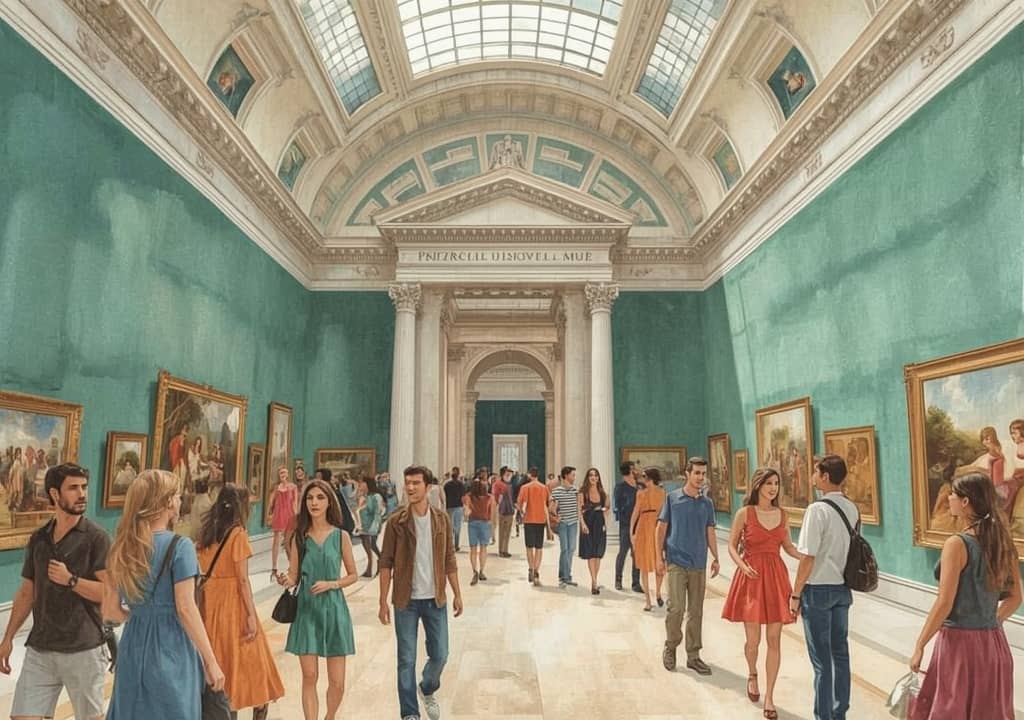
A classic, family-friendly rumor says that if you circle certain sculptures at just the right pace, the figures seem to shift - like a flipbook made of marble. The joke is that the sculpture is so lively it’s trying to keep up with you, not the other way around. It’s an exaggerated claim, but it captures a real reaction: the art feels startlingly dynamic from different angles.
Background
Generations of visitors noticed how dramatically the sculpture’s silhouettes change as you walk around them. Guides and art lovers turned that observation into a fun “try it and see” legend.
Impact On Visitors
It encourages visitors to move slowly, look from multiple sides, and notice how light and viewpoint change what you perceive - making the experience more interactive and memorable.
Additional Details
A common tip is to pick one sculpture, choose a single detail (a hand, a fold of fabric, a curl of hair), and then walk a gentle arc around it. People often laugh at how different it appears from just a few steps away.
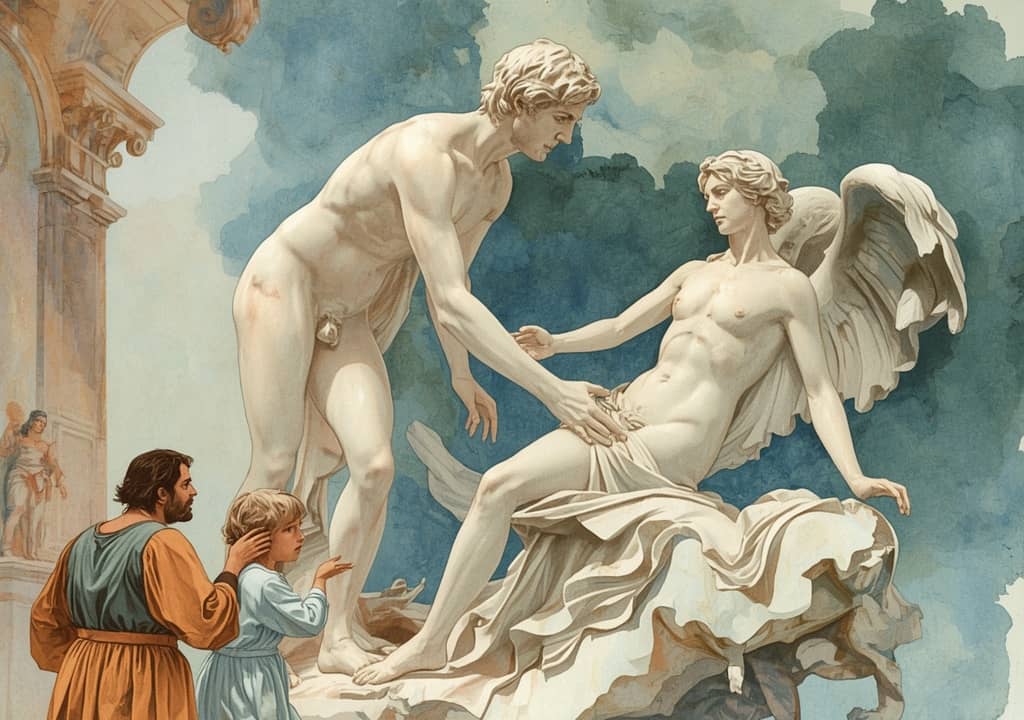
Outside the gallery, there’s a cheerful bit of garden folklore: the hedges “keep secrets,” passing compliments from one path to another. Couples and families sometimes play along by whispering a wish before entering the museum, then later joking that the gardens guided them to their favorite artwork.
Background
Villa Borghese has long been a place for leisurely walks, playful conversations, and scenic detours. Over time, visitors turned the experience of getting pleasantly “lost” among paths and greenery into a friendly legend about helpful, whispering hedges.
Impact On Visitors
It makes the approach to the museum feel like part of the attraction, encouraging visitors to slow down, enjoy the park atmosphere, and treat the day as an easygoing adventure.
Additional Details
Some locals suggest a simple ritual: pick a theme - “surprise,” “beauty,” or “luck” - as you enter the gardens, then see which artwork inside best matches that word. It’s a fun way to connect the park stroll with the gallery visit.
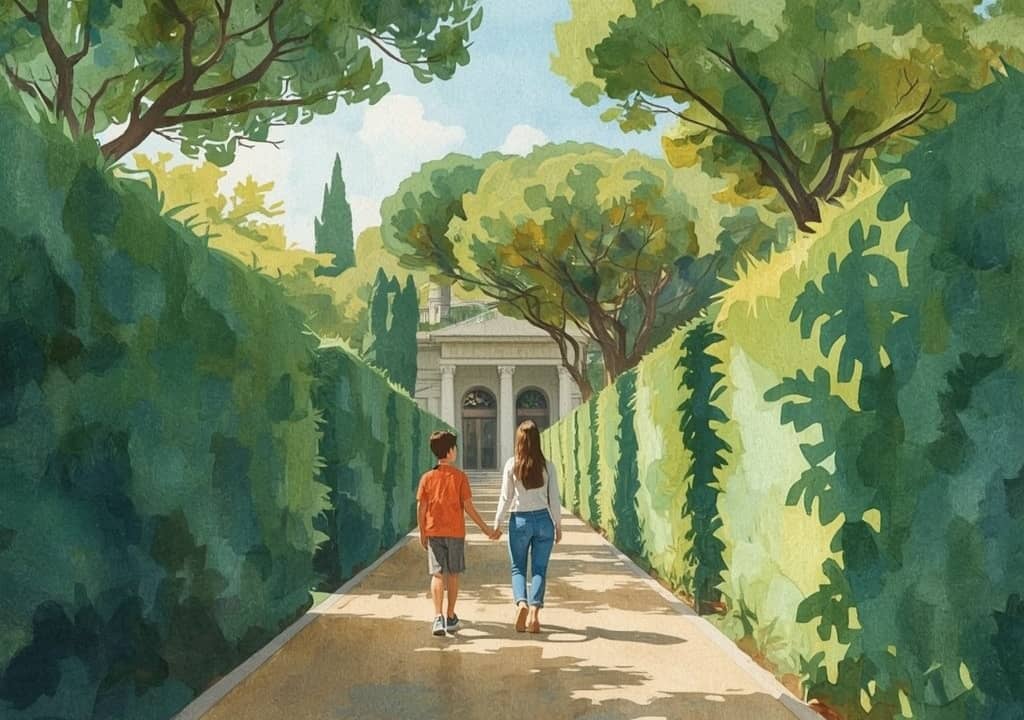
A lighthearted story often told around the Borghese collection is that Cardinal Scipione Borghese had an almost magical instinct for spotting the next big artistic marvel. In the playful version, he’s portrayed as having a “radar” that would start tingling whenever an extraordinary painting or sculpture appeared anywhere in Rome.
Background
The Borghese collection grew remarkably strong and cohesive, and later storytellers - especially guides - sometimes frame that achievement in a humorous, myth-like way to emphasize how exceptional the gallery’s highlights are today.
Impact On Visitors
It adds personality to the visit: guests don’t just see masterpieces; they feel like they’re stepping into the results of an almost storybook-level passion for collecting beauty.
Additional Details
You’ll sometimes hear visitors joking, while moving from room to room, that the collection feels “too good to be accidental.” The myth works as a fun narrative thread that ties the gallery together: each room feels like another “lucky find.”
Frequently Asked Questions
Yes. Entry is by mandatory timed reservation and tickets often sell out days (or weeks) ahead, especially in peak season. Book online as early as possible.
Visits are usually limited to a fixed time slot (commonly about 2 hours). Plan to arrive early for security checks and ticket validation.
The first time slot of the day or late afternoon is often quieter. Weekdays are generally less busy than weekends and holidays.
Late fall to early spring typically has fewer crowds than summer. If visiting in summer, choose early time slots and book well in advance.
Highlights include Bernini’s sculptures (e.g., "Apollo and Daphne," "The Rape of Proserpina," "David"), Caravaggio paintings (e.g., "Boy with a Basket of Fruit," "David with the Head of Goliath"), and works by Raphael and Titian.
Start with Bernini sculptures (a top priority), then Caravaggio paintings, then explore remaining rooms. If you have limited time, focus on the major sculpture galleries and key Caravaggio works first.
It’s in Villa Borghese park. Many visitors arrive by taxi/ride-hail, or via public transport to nearby stops and then walk through the park. Aim to reach the entrance 15 - 30 minutes early.
Bring your ID (often required), booking confirmation, and comfortable walking shoes for the park. Travel light - large bags may need to be checked and can slow entry.
Yes. A guided tour adds context and helps you prioritize highlights within the timed visit; an audio guide is a good alternative if you prefer to explore at your own pace.
Rules can vary by room and exhibition; flash is typically not allowed. Follow signage and staff instructions - if photography is permitted, keep it discreet and avoid blocking others.
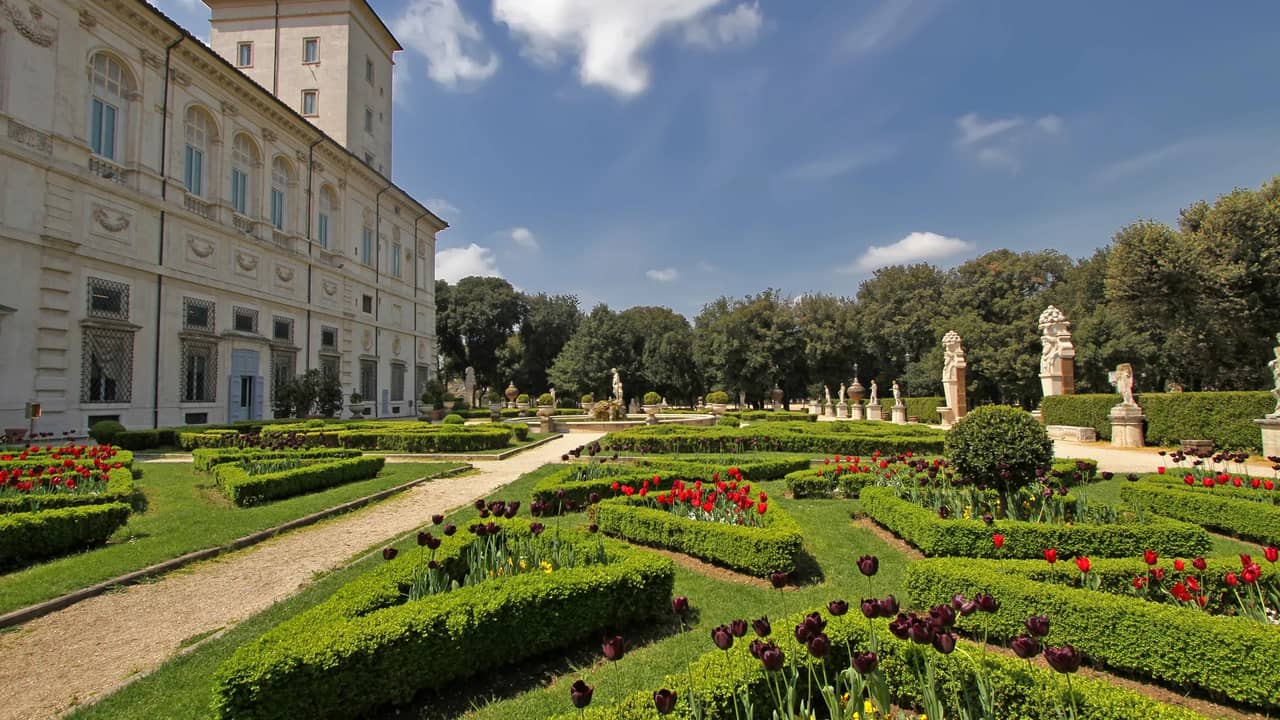
Villa Borghese pairings for art and fresh air
City-center icons a quick ride from the gallery
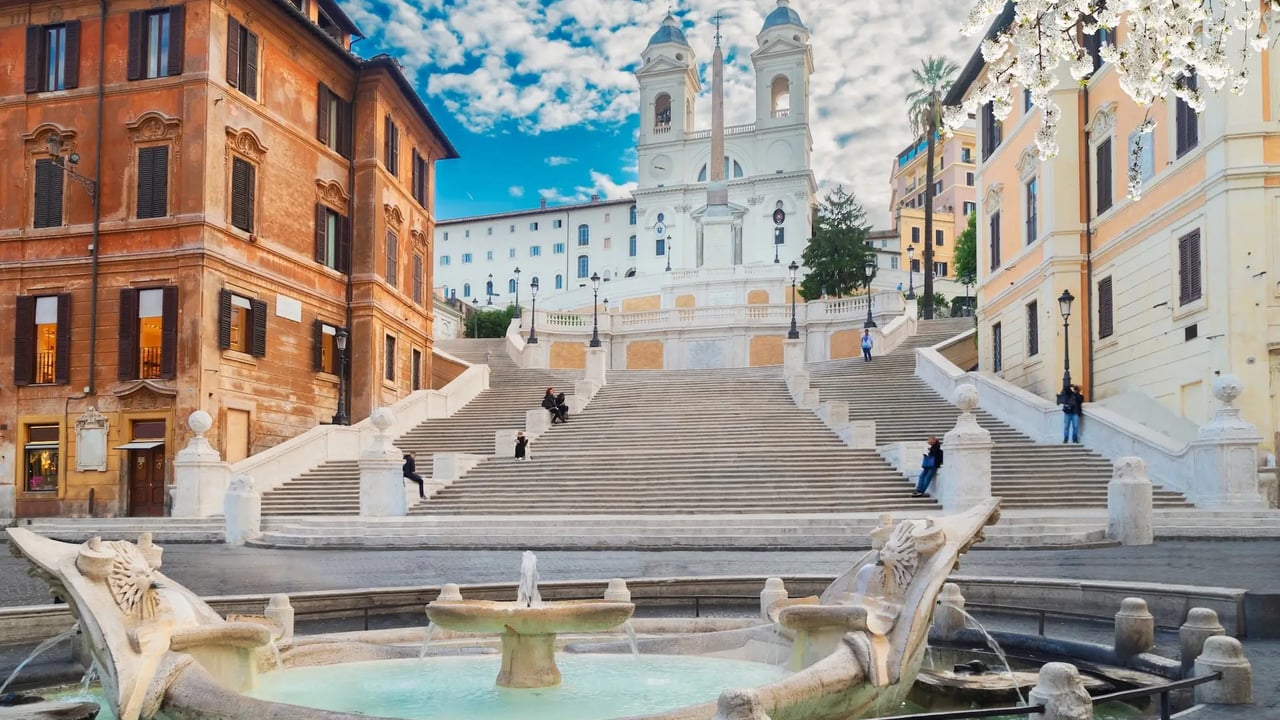
Everything You Need Before Visiting the Spanish Steps
Few places feel as cinematic as these famous stairs. Get clear directions, smart timing advice to avoid crowds, and a practical checklist for shoes, water, and weather. You’ll also find myth-filled trivia, accessibility notes, plus options for guides or audio tours and quick FAQs.
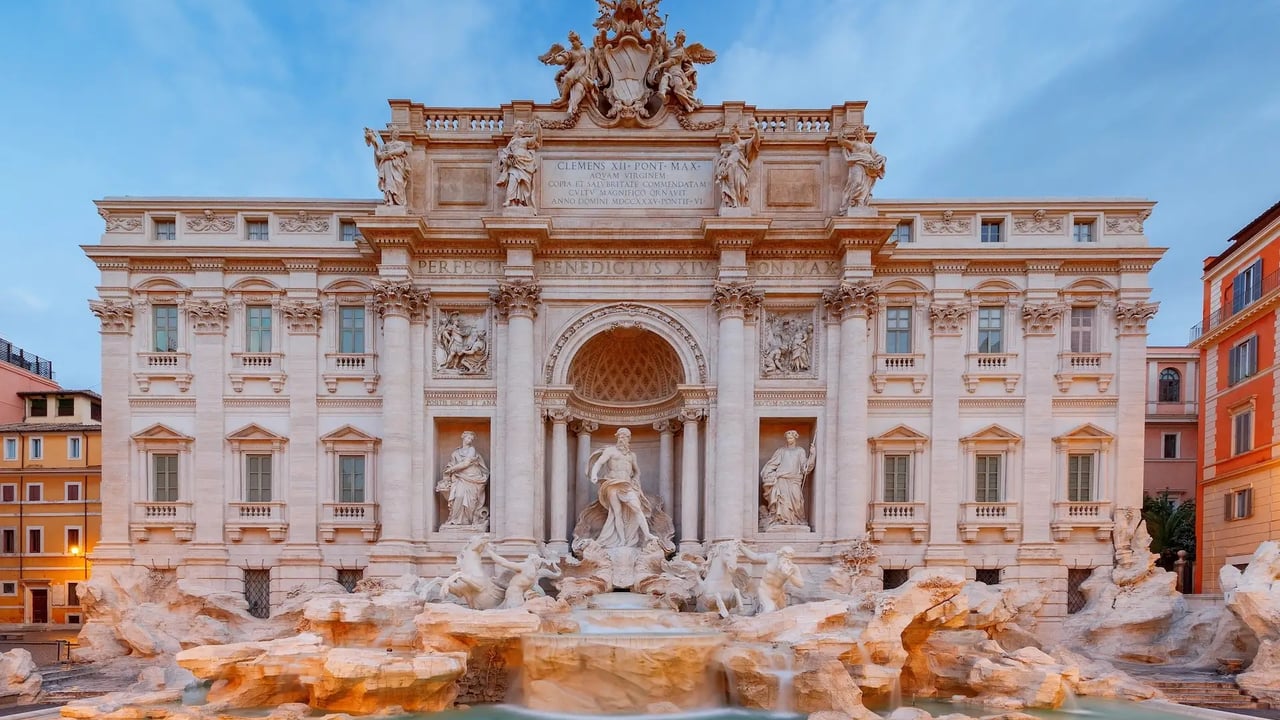
Everything You Need Before Visiting Trevi Fountain
It’s more than a backdrop - it’s a ritual. Learn where to stand for clearer shots, when to arrive for calmer moments, and what small essentials help in the splash zone. You’ll also find quick accessibility notes plus pointers on finding on-site guidance or a self-paced audio tour.
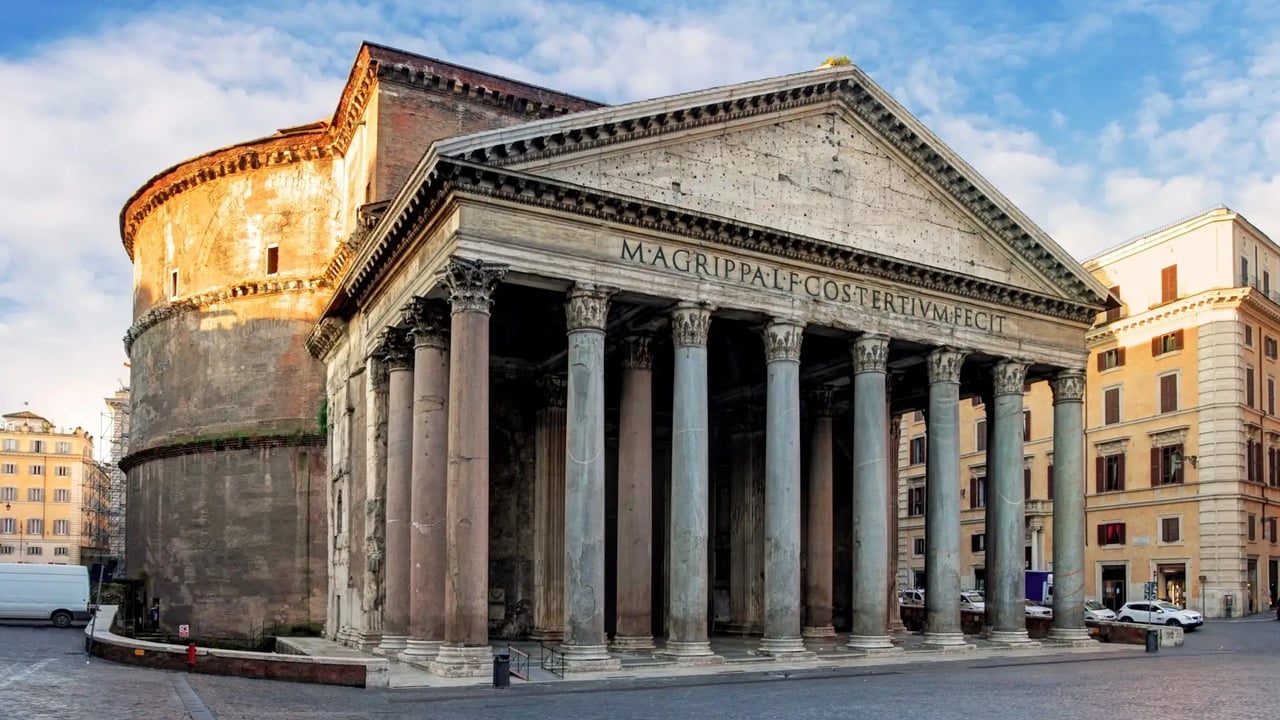
Everything You Need Before Visiting the Pantheon in Rome
One building, two millennia of wonder. This article breaks down where the Pantheon sits, current opening times, and the best hours to avoid crowds. You’ll also get a simple packing checklist, accessibility notes, and whether guided tours or audio guides are worth it, plus myths and quick FAQs.