Hours And Schedule
Closes In 3h 18m
Opening Hours
Special Hours
Important Notes
Last entry is at 18:45. Some areas are free to access (e.g., the monument’s open exterior areas), while paid areas (such as the panoramic terrace/elevator and museum spaces) require a ticket; tickets are typically valid for seven days from the selected/issued entry date, and admission is free on the first Sunday of the month (ticket valid only that day).
Visit Timing
Best Time To Go
The Vittoriano (Monument to Victor Emmanuel II) sits in one of Rome’s busiest sightseeing zones (Piazza Venezia/Capitoline area). Early morning typically offers cooler temperatures, clearer views for photos, and noticeably lighter crowds - especially helpful for the terraces/elevator access and for enjoying the panoramic viewpoints without people blocking sightlines.
If your main goal is photography and atmosphere, a secondary good option is late afternoon into early evening for warm ‘golden hour’ light on the white marble and city rooftops. Do note that evenings can still be busy in peak season, but the monument becomes visually striking as the city lights come on.
Seasonal Guide
These shoulder seasons usually balance comfortable walking temperatures with strong visibility for panoramas, while avoiding the most intense summer heat and the heaviest midsummer tourist density. They also tend to provide better overall comfort for climbing stairs/visiting terraces and pairing the visit with nearby sites (Capitoline Hill, Roman Forum viewpoints, Trajan’s Column area).
Climate: Spring and autumn are generally mild to warm with fewer extreme-heat days than summer; summer (June - August) often brings high heat and strong sun exposure on the open terraces, while winter can be cooler, windier on elevated viewpoints, and occasionally rainy.
For the best scenic experience, prioritize days with clear skies or low haze - panoramic views from the terraces are highly weather-dependent. Spring can add a fresher, brighter feel in surrounding gardens and streetscapes, while autumn often provides soft light and comfortable conditions for longer city walks.
Peak hours
Packing Guide
By Season
Extra Tips
Top activities
How to Get There
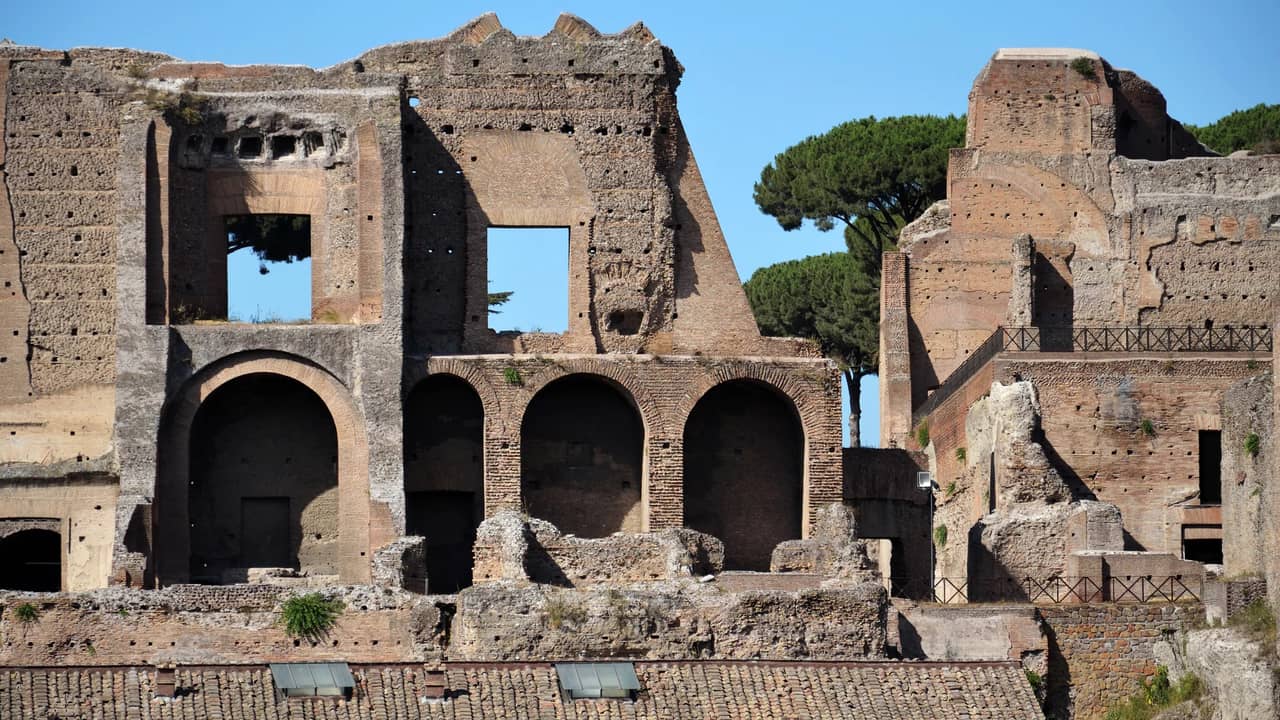
The Monument to Victor Emmanuel II (Monumento Nazionale a Vittorio Emanuele II), often called the Vittoriano or Altare della Patria, is located in the heart of Rome on Piazza Venezia, at the northern edge of the Capitoline Hill (Campidoglio). It sits where several of the city’s most important streets converge - most notably Via del Corso (leading to Piazza del Popolo), Via dei Fori Imperiali (toward the Colosseum), and Via del Teatro di Marcello (toward the Jewish Ghetto and Trastevere side). District (rione): The monument lies in the historic center within the Rione Campitelli, immediately adjacent to Rione Pigna around Piazza Venezia. Notable landmarks and places nearby (walkable highlights): - Piazza Venezia: The main square directly in front of the monument and a major hub for city routes and sightseeing. - Palazzo Venezia: Facing the square, a prominent Renaissance palace historically associated with papal and later political history. - Capitoline Hill (Campidoglio) and the Capitoline Museums: Just behind/alongside the monument area, offering some of Rome’s most important art and archaeological collections. - Roman Forum (Foro Romano): A short walk southeast via Via dei Fori Imperiali. - Trajan’s Column and Trajan’s Market: Nearby to the northeast, among Rome’s most impressive imperial-era remains. - Largo di Torre Argentina: A short walk west, known for ancient temple ruins and as the site traditionally associated with Julius Caesar’s assassination. - Pantheon and Piazza Navona: Easily reached on foot through the historic center streets. What makes this area special: This part of Rome is one of the city’s most dramatic crossroads of eras - ancient (the Forum and imperial monuments), medieval and Renaissance (churches and palaces), and modern Italy (the national monument itself, symbolizing unification). It’s also a natural starting point for exploring central Rome because so many major sights radiate outward from Piazza Venezia. Why it is worth visiting: The monument is one of Rome’s most recognizable landmarks, notable for its grand white marble architecture and panoramic views from its terraces. The surrounding area offers an exceptionally dense concentration of world-famous sites, making it ideal for visitors who want to experience Rome’s layered history and iconic cityscape in a single walk.
Local Legends
One of the most common playful tales is that Romans looked at the bright white terraces and layers and decided it resembled a giant wedding cake placed right in the middle of the city. Visitors often repeat the nickname as if it were the monument’s “secret official” title, and it has become a friendly shorthand for spotting it from afar.
Background
The monument’s tiered design, grand stairways, and pale stone led locals to compare it to a multi-layered cake; the label spread through everyday conversation and tourist guidebooks.
Impact On Visitors
Tourists smile when they hear it, then start hunting for the best angle that makes the building look most like a frosted celebration cake. It turns a very formal national monument into something approachable and easy to remember.
Additional Details
A fun way to experience the joke is to view it from Via del Corso or from slightly below the steps: the stacked levels read like neat “layers,” and the nickname suddenly feels perfectly reasonable.

Another lighthearted rumor says the monument looks like an enormous old-fashioned typewriter, as if someone set a grand writing machine on a pedestal to “type” Italy’s story. The rows of columns and the broad, structured façade encourage the comparison, and many visitors start seeing “keys” and “carriage” shapes once the idea is planted.
Background
This comes from 20th-century popular humor: as people got used to the modern monument among ancient ruins, playful comparisons helped them describe it quickly and with affection.
Impact On Visitors
It becomes a conversation starter and a photo challenge - families pose as if they’re “typing” on the steps, and guides use the nickname to help groups identify the building instantly.
Additional Details
Some locals joke that it’s the city’s biggest “office equipment,” and once you hear that, the crisp symmetry can feel oddly mechanical in a charming way.
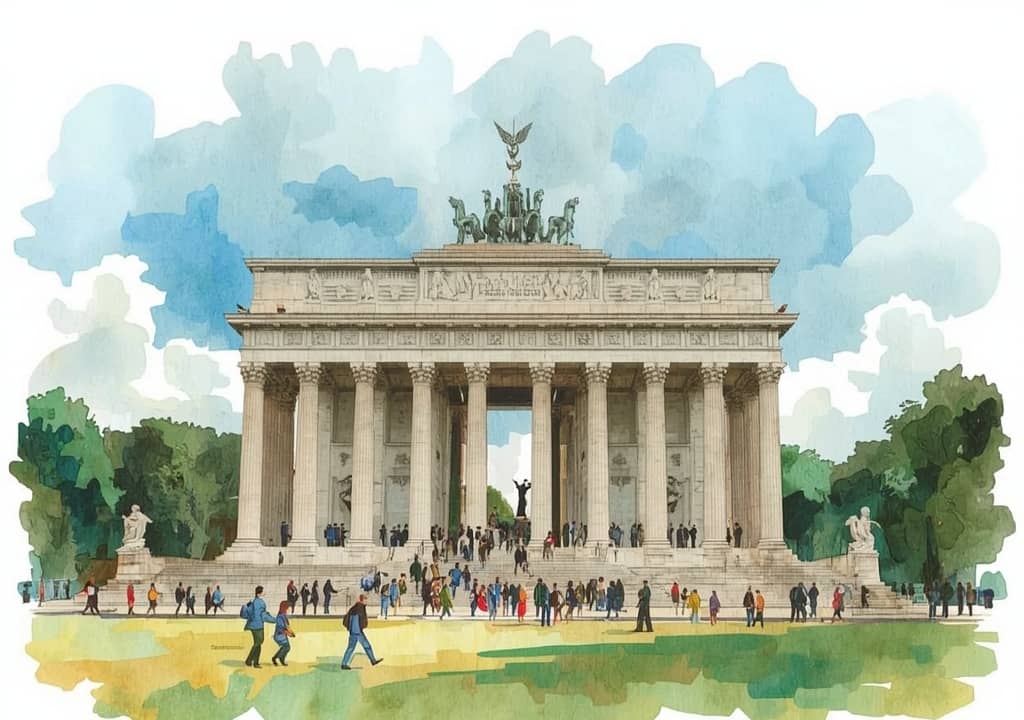
A cheerful traveler’s tradition says you haven’t really visited central Rome until you’ve gone up to the monument’s panoramic terraces and taken a “balcony” photo with the city spread out behind you. The tale is that the view is so perfectly framed - Colosseum area one way, domes and rooftops another - that the terrace acts like a ready-made postcard stage.
Background
As elevators and viewing areas became popular with visitors, word-of-mouth and travel writing turned the terraces into a must-do viewpoint, creating an informal ritual.
Impact On Visitors
People arrive expecting a grand, uplifting vista and leave delighted at how many landmarks they can spot in one sweep. It adds a playful “checklist moment” to the visit without changing the monument’s respectful atmosphere.
Additional Details
Many guides turn it into a game: point out a famous dome, then challenge the group to find another landmark by silhouette alone. It’s a simple way to make the skyline feel like a friendly puzzle.

A small, family-friendly rumor says certain spots on the broad stairways and open spaces create extra-clear echoes or satisfying sound effects when you speak softly or clap lightly. Whether the acoustics are truly special everywhere or not, visitors enjoy testing it, turning the approach into a playful sound-and-space experiment.
Background
Large marble surfaces, open terraces, and symmetrical corridors often inspire acoustic folklore. Over time, visitors shared favorite “echo spots,” and the idea became a casual game passed along in tours.
Impact On Visitors
It encourages people to slow down and notice the architecture as something you can experience, not just look at. Families and groups often leave with a shared laugh and a memorable little challenge completed together.
Additional Details
The fun is in the search: people compare which corner or landing “sounds best,” and the monument becomes a friendly place for curiosity - part grand landmark, part playful discovery.
Frequently Asked Questions
A large white-marble national monument in Piazza Venezia honoring Victor Emmanuel II, Italy’s first king, and celebrating Italian unification; it also includes the Tomb of the Unknown Soldier.
It’s in Piazza Venezia, central Rome. Easy access by bus to Piazza Venezia; the nearest metro stations are Colosseo (Line B) or Barberini (Line A) followed by a 15 - 20 minute walk.
Go early morning for fewer crowds and softer light, or late afternoon/sunset for excellent photos and views. Midday can be busiest and brightest (glare on marble).
Spring and fall offer comfortable temperatures and clearer views. Summer is hot and crowded; winter is quieter but days are shorter and weather can be damp.
Plan 30 - 60 minutes for the main terraces and Tomb of the Unknown Soldier; 1 - 2 hours if you also visit the museum spaces and go up to the panoramic terrace/elevator.
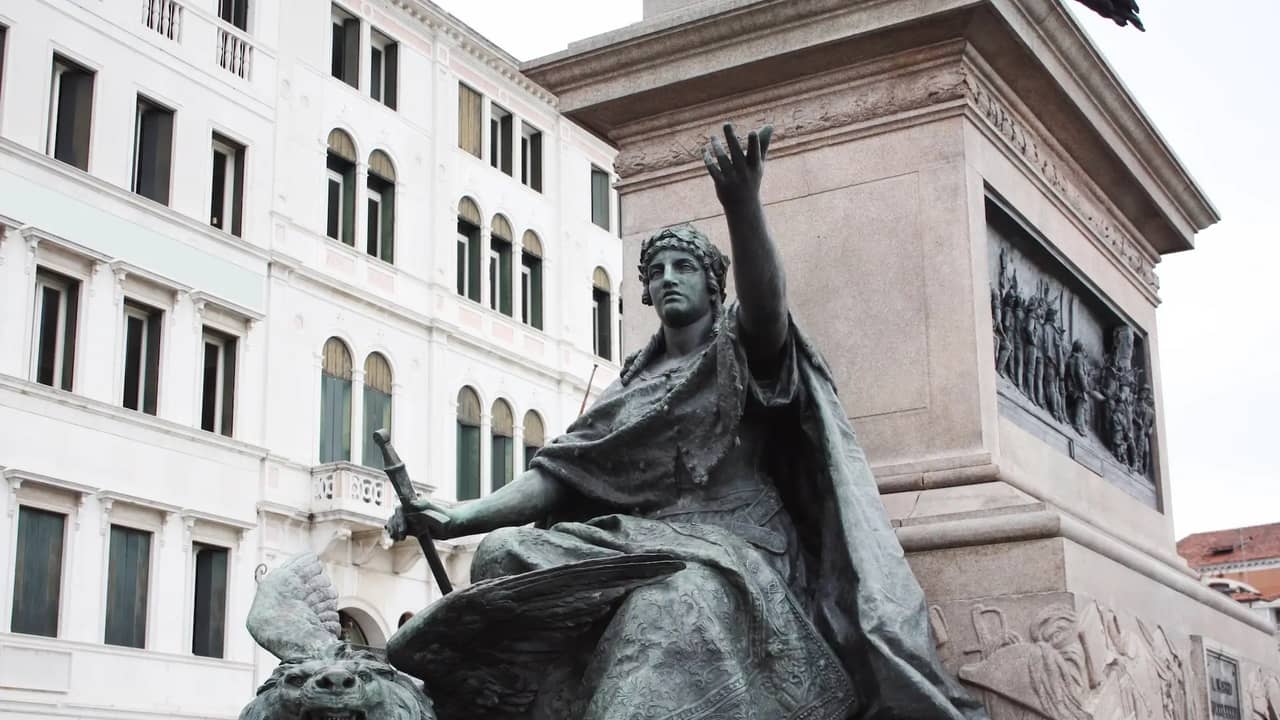
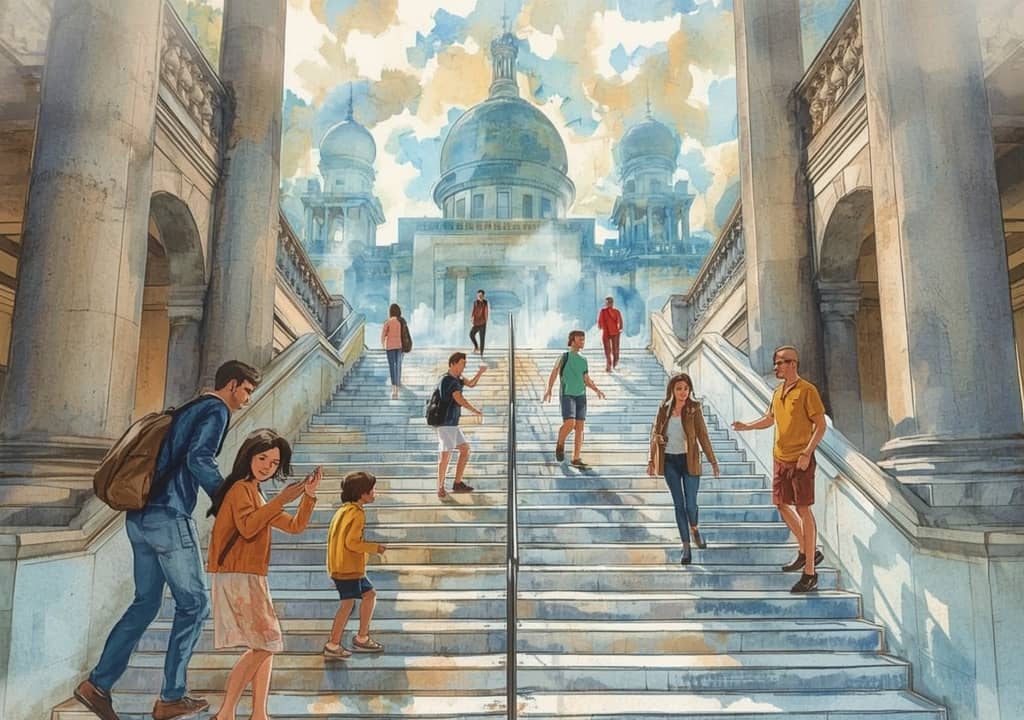
The grand staircase, the Tomb of the Unknown Soldier with the eternal flame, the massive equestrian statue of Victor Emmanuel II, and the panoramic viewpoints over the Roman Forum and Colosseum area.
Yes - there’s a panoramic terrace accessed by elevator (often ticketed). It’s worth it for one of the best 360° views in central Rome, especially near sunset.
Popular route: Vittoriano → Capitoline Hill (Piazza del Campidoglio) → Roman Forum viewpoints → Colosseum. Another easy loop: Vittoriano → Via del Corso → Trevi Fountain → Spanish Steps.
Comfortable walking shoes (many steps), water (especially in warm months), sun protection, and a light layer in cooler seasons. A camera/phone is ideal for panoramic shots.
Expect security checks for interior areas; allow extra time at peak hours. There are elevators/accessible routes, but some areas involve stairs. Photography is generally fine; be respectful around the Tomb of the Unknown Soldier and ceremonial guards, and avoid blocking passages.
Capitoline Hill and Forum classics close by
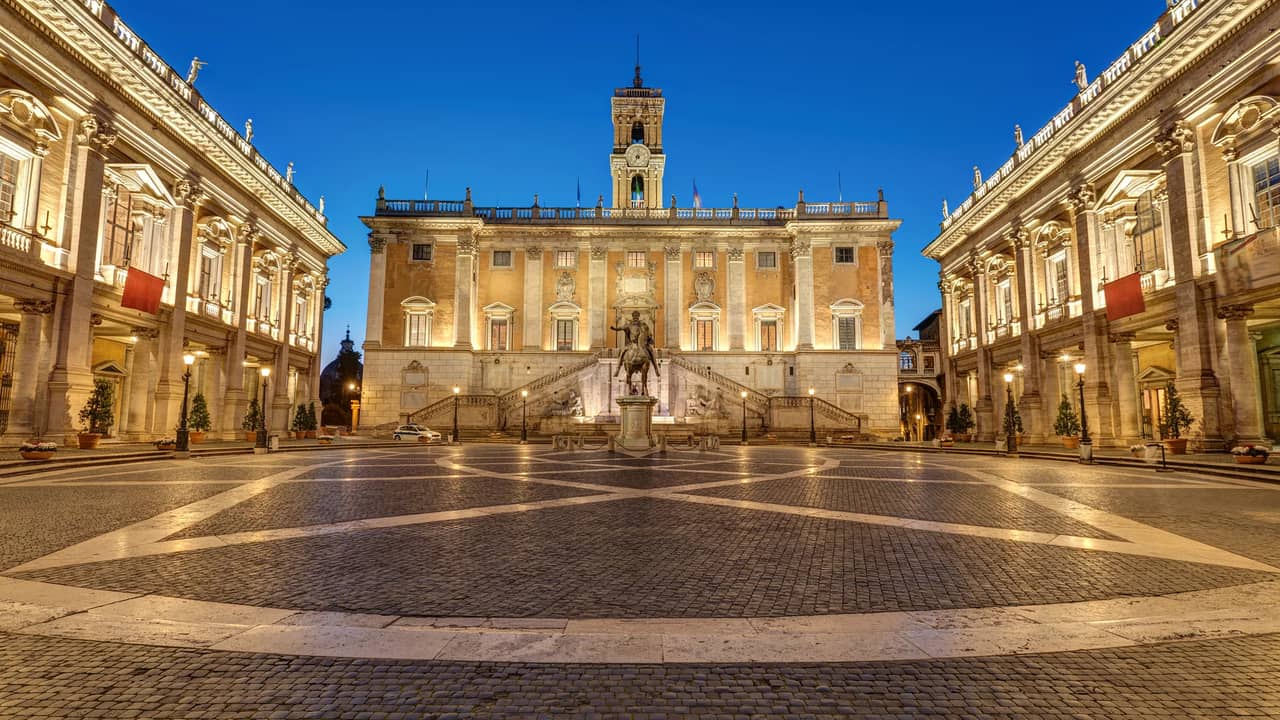
Everything You Need Before Visiting Capitoline Museums
Rome’s oldest public museum hides big surprises on Capitoline Hill. Get clear directions, opening hours, and the smoothest time slots, plus what to pack and how long to stay. Learn about step-free routes, onsite facilities, and whether an audio guide or live expert suits your style.
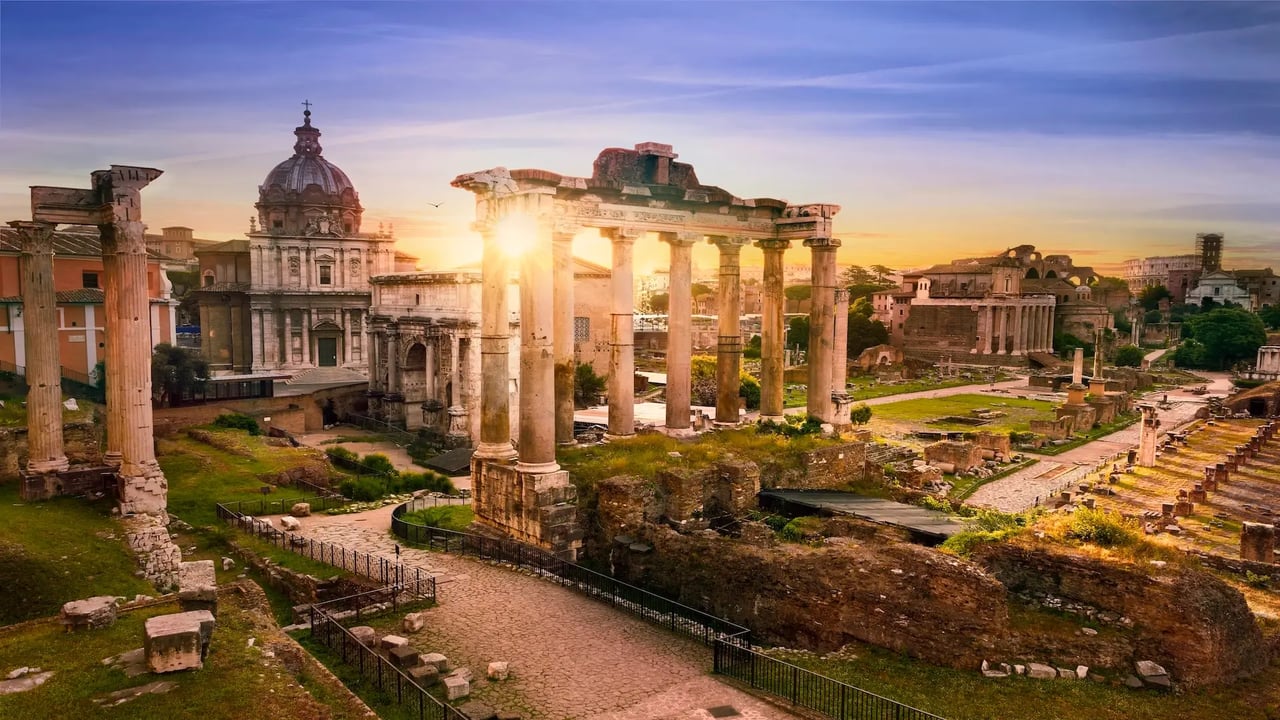
Everything You Need Before Visiting the Roman Forum
Few places make antiquity feel this immediate. This article explains where the ruins sit, opening hours, ideal seasons, what to bring, and how to handle uneven paving. You’ll also get myth-filled anecdotes, accessibility notes, plus tips on hiring guides or using audio tours.
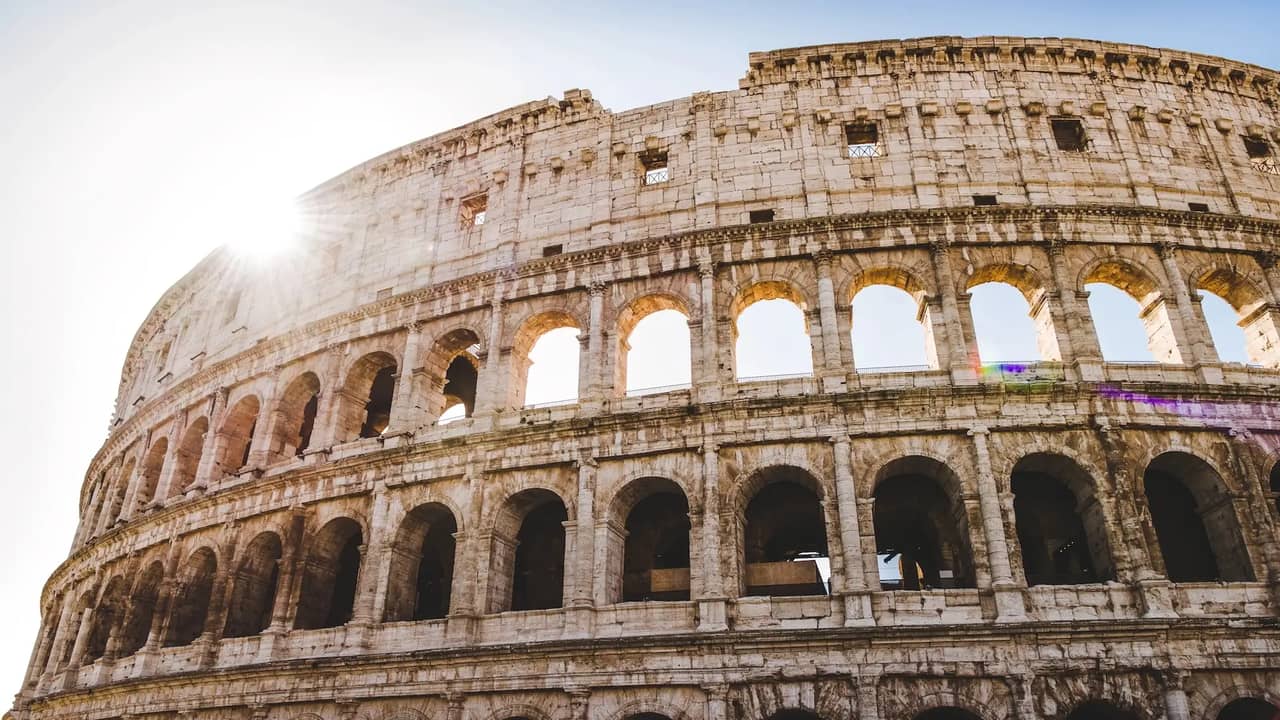
Everything You Need Before Visiting the Colosseum
Few places make ancient history feel this close. Use this article to pinpoint entrances, map the easiest routes from key transit stops, and choose the best hours to avoid peak crowds. Get packing pointers, accessibility details, plus guidance on guided tours or audio options and quick FAQs.