Hours And Schedule
Closes In 2h 33m
Opening Hours
Special Hours
Important Notes
Last entry is typically at least 15 minutes before closing. Access to chapels/altars may be restricted during Masses and liturgical celebrations. Entry to the basilica is generally free; some museum/treasury/underground areas may require a ticket and can have separate visiting hours.
Visit Timing
Best Time To Go
The basilica is at its quietest early in the day, making it easier to appreciate the mosaics, chapels, and overall atmosphere without crowd noise; temperatures are also cooler for walking to/from Termini and nearby viewpoints.
Aim to arrive 10 - 20 minutes before opening so you can enter promptly and explore the nave and major chapels before tour groups and day-trippers build up. If you want softer light for photos of the façade and the Esquiline-area streets, late afternoon (golden hour) can be beautiful, but interiors are generally best experienced when it’s less crowded.
Seasonal Guide
These shoulder seasons typically offer the best balance of comfortable weather and fewer crowds than peak summer, while still providing long daylight hours for combining the visit with nearby sights (e.g., Colosseum area, Monti, or a walk from Termini).
Climate: Spring and autumn are usually mild with lower humidity than summer; summer (June - August) can be hot and crowded, while winter is cooler with shorter days and a higher chance of rain, though crowds may be lighter outside holiday periods.
For a scenic city experience, late April - May and late September - October are ideal for pleasant walks around the Esquiline Hill and nearby parks/gardens, and for lingering outdoors before/after the visit. If you visit in summer, prioritize early morning for comfort; in winter, midday can be more comfortable for walking, but expect earlier dusk.
Peak hours
Packing Guide
By Season
Extra Tips
Tours And Guides
On-site access rules can change due to liturgical services and security; some museum/archaeological sections (when open) may require a ticket and have separate visitor services. For the most accurate, current options (including any temporary audio-guide offerings), check the official Basilica of Santa Maria Maggiore visitor/tickets information shortly before your visit.
Expert Guides
How to book Commonly booked via licensed tour operators/guide platforms online (e.g., Rome walking tour providers) or arranged as a private licensed guide. For areas requiring controlled access (e.g., Liberian Museum/loggia/archaeological areas when open), booking is typically done through the basilica’s official ticketing/visit channels or authorized resellers.
App Guides
Online Experiences
Virtual/remote viewing options may exist via third-party virtual tour platforms and/or official/partner media (e.g., video walkthroughs/online presentations). Availability and scope vary and may not cover all restricted areas.
Top activities
How to Get There
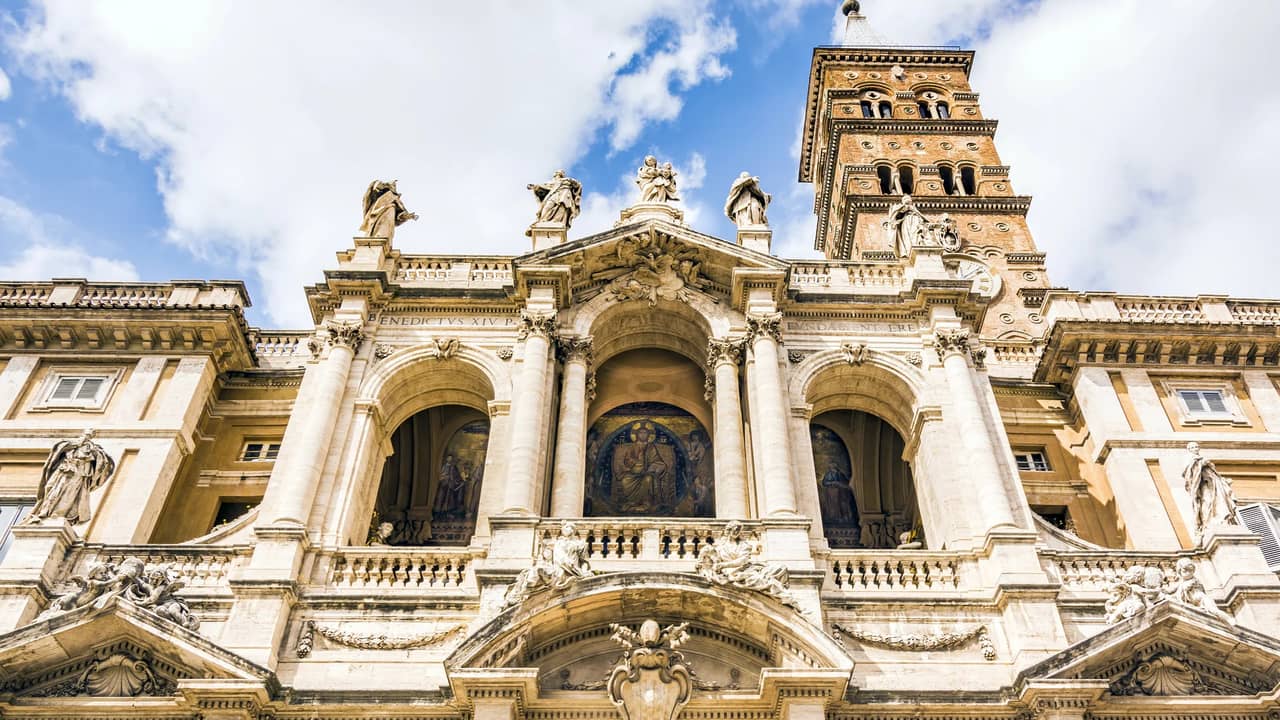
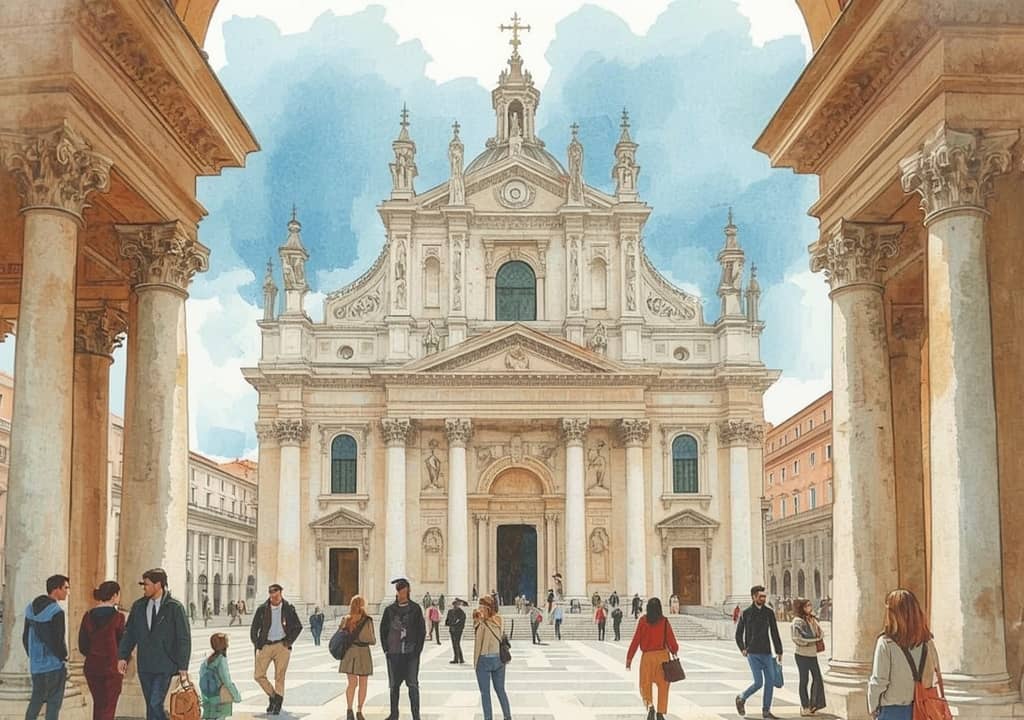
The Papal Basilica of Saint Mary Major (Santa Maria Maggiore) is located in central Rome on the Esquiline Hill (Rione Esquilino), within Municipio I (Centro Storico). It fronts onto Piazza di Santa Maria Maggiore and sits just east of the city’s main rail hub, Roma Termini (about a 10 - 15 minute walk), making it one of the most accessible major churches in Rome. Nearby notable places include the Basilica of Saint John Lateran (San Giovanni in Laterano) to the southeast, the Colosseum and Roman Forum to the south, and Palazzo del Quirinale (the Quirinal Palace) to the west. The immediate surroundings also connect easily to key routes and viewpoints on the Esquiline, including Piazza Vittorio Emanuele II and the historic streets leading toward Monti. This part of Rome is special because it sits at the meeting point of ancient, medieval, and modern Rome: the Esquiline is one of the city’s famed seven hills, while the proximity to Termini makes it a lively, multicultural area and a practical base for exploring the historic center. It’s worth visiting not only for the basilica itself - one of Rome’s four papal major basilicas and a centerpiece of early Christian and Baroque Rome - but also because the location places you within easy walking distance of many of the city’s most iconic archaeological and architectural sites.
Local Legends
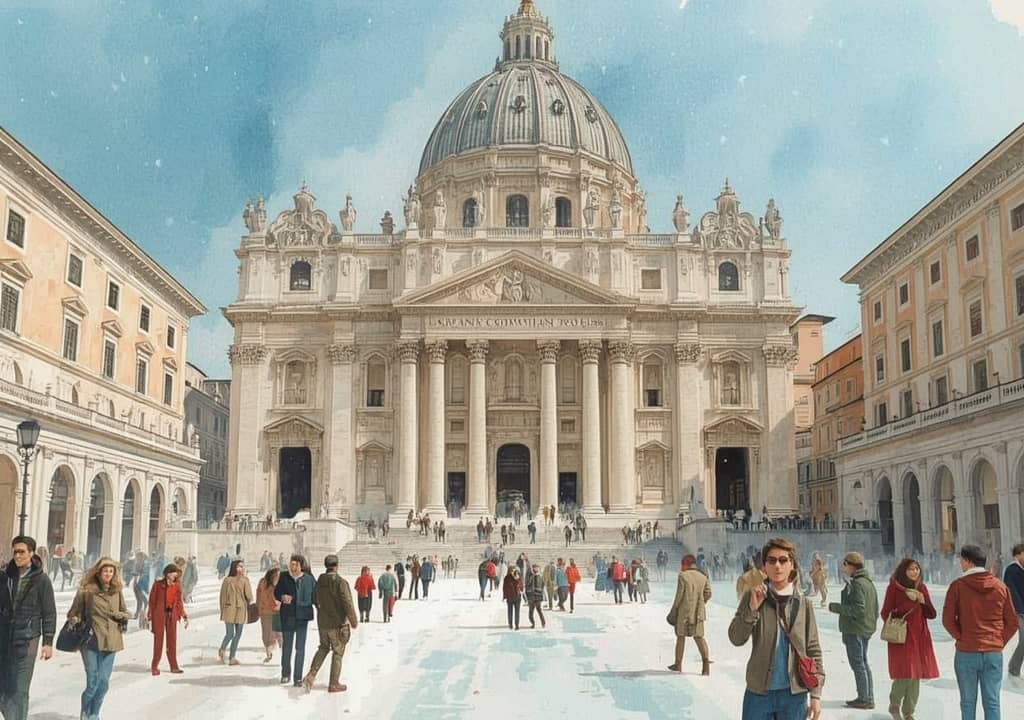
The most famous tale says that, in the height of an August Roman summer, an unexpected snowfall outlined the exact spot where a new church should be built. The story is usually told with a wink: Rome is hot in August, so the idea of snow feels like the ultimate surprise “message.”
Background
A medieval tradition linked to a Marian devotion later celebrated as Our Lady of the Snows. Over time, the story became closely associated with Saint Mary Major and helped explain why such a grand basilica stands on the Esquiline Hill.
Impact On Visitors
Tourists love looking at the basilica’s setting and imagining a white outline on sun-baked stones. It turns the visit into a playful “can you picture it?” moment, and it makes the basilica feel like a place chosen with theatrical flair rather than ordinary planning.
Additional Details
Many visitors time their trip around the annual August celebration when white petals are released inside, a symbolic “snowfall” that families find delightful. Guides often invite people to spot artworks that reference the snow motif, turning the basilica into a cheerful scavenger hunt.
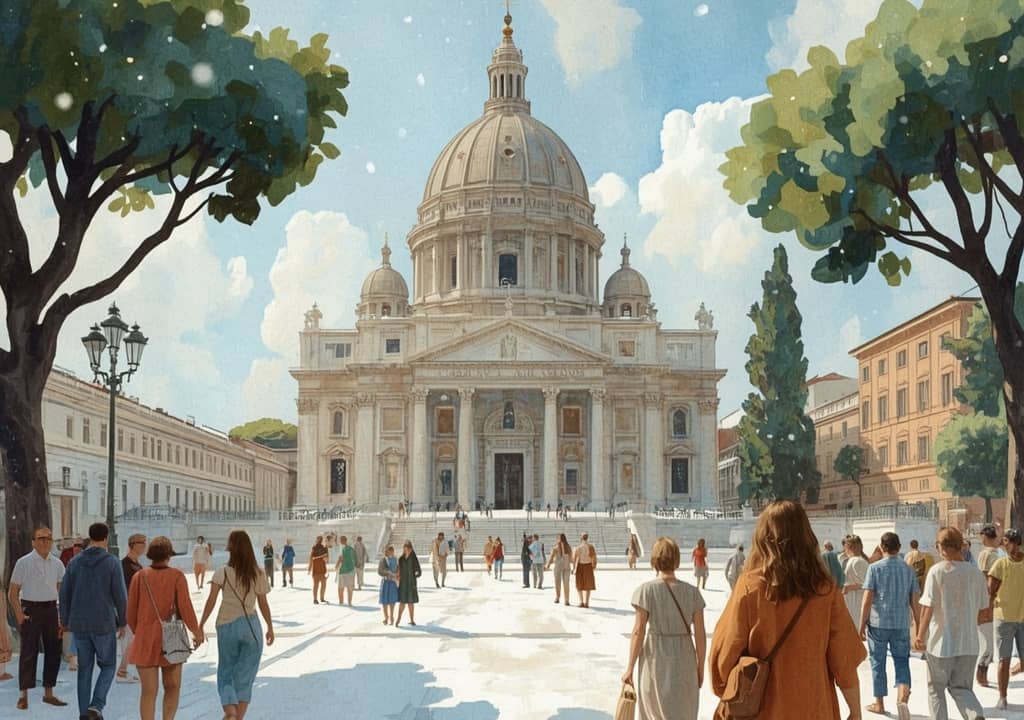
A lighthearted rumor among visitors is that Saint Mary Major has its own sense of humor - making Rome “pretend-winter” for a day. People jokingly call it the basilica that refuses to follow the weather forecast, because it’s famous for celebrating a snow-themed tradition when the city is at its warmest.
Background
The legend of the miraculous snowfall naturally encouraged later celebrations that echo it. Over generations, travelers and locals repeated the idea in a teasing way: ‘Only in Rome would you celebrate snow in August.’
Impact On Visitors
It gives tourists a fun conversation starter and makes the basilica feel welcoming rather than intimidating. Families especially enjoy the idea that a major landmark can have a “signature joke” built into its traditions.
Additional Details
Because the celebration is visually memorable, it often becomes a highlight even for travelers who are not specifically seeking religious history. The story also nudges visitors to look up - literally - paying more attention to the basilica’s grand interior as they wait for the symbolic “snow.”
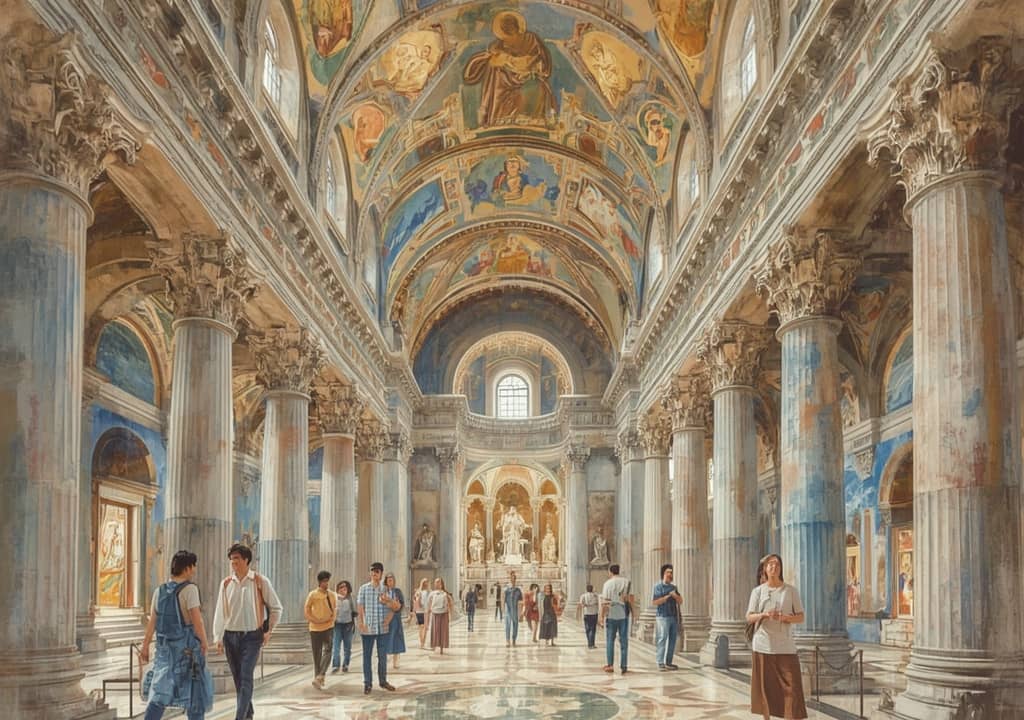
A favorite visitor anecdote is how Saint Mary Major can make even modern travelers feel like they’ve stepped into an illustrated storybook. People joke that the ancient mosaics are the basilica’s way of ‘showing off’ - still bright, still elegant, and still able to impress anyone with a camera.
Background
The basilica is celebrated for early Christian mosaics and richly decorated interiors. Over time, guides and repeat visitors turned that artistic continuity into a light, memorable talking point: it’s like the building has been collecting “best-of” visual moments for centuries.
Impact On Visitors
It shapes the perception of the landmark as both historic and surprisingly lively. Instead of feeling like a silent museum, it feels like a place where art keeps ‘winking’ at the present - inviting visitors to compare details, spot patterns, and share favorites.
Additional Details
Tour groups often turn it into a friendly game: choose one mosaic scene and invent a caption for it. The activity is family-friendly, keeps kids engaged, and encourages careful looking rather than rushing through.
A common, upbeat traveler tale is that no matter how many times you visit, the basilica feels like a grand entrance - almost like it’s designed for a dramatic reveal. Visitors sometimes joke that the building is Rome’s master of first impressions, because the interior can feel unexpectedly vast and bright.
Background
This comes from the basilica’s scale, layout, and the way light interacts with gilded ceilings and decorative surfaces. Over time, repeated visitor reactions formed a shared “story”: you think you know what to expect, and then the space surprises you again.
Impact On Visitors
It encourages tourists to slow down, step inside, and let the space unfold rather than just taking an exterior photo. The anecdote also reassures first-timers that it’s normal to be impressed - making the experience feel communal and fun.
Additional Details
Guides often suggest a simple ritual: pause at the entrance, pick one detail to notice (a column, a ceiling panel, a mosaic), then compare notes with friends afterward. It turns awe into a playful, memorable activity.
Frequently Asked Questions
It’s in central Rome on the Esquiline Hill, near Piazza di Santa Maria Maggiore, between Termini Station and the Colosseum area.
The basilica is generally free to enter, but hours vary by season and religious events; some areas (e.g., museum/archaeological spaces) may require a ticket. Check the official site shortly before your visit for same-day times.
Go early morning on a weekday or later in the afternoon (avoiding Mass times) for a quieter visit and better chances to see chapels without congestion.
For lighter crowds and comfortable weather, visit in spring (April - May) or autumn (September - October). Summer is busiest and hottest, while winter is generally quieter.
It’s an easy walk from Roma Termini (about 10 - 15 minutes). Several city buses stop nearby, and the closest metro access is via Termini (Lines A and B), then walk.
Popular routes: (1) Termini → Santa Maria Maggiore → San Pietro in Vincoli → Colosseum; (2) Santa Maria Maggiore → Via Merulana → St. John Lateran; (3) Santa Maria Maggiore → Monti neighborhood → Roman Forum area.
Don’t miss the 5th‑century mosaics (especially in the nave and triumphal arch), the richly decorated chapels (including the Borghese/Pauline Chapel), the coffered ceiling, and the relic-associated Holy Crib (Sacra Culla) area.
Plan 45 - 90 minutes for the main basilica; add extra time if you also visit any museums/archaeological areas or want a slower, detail-focused look at mosaics and chapels.
It’s an active church: dress modestly (cover shoulders and knees), keep voices low, and avoid flash photography where restricted. During services, sightseeing access may be limited.
Bring a reusable water bottle (especially in warm months), comfortable walking shoes, and a light layer for the cooler interior. If you enjoy details, consider a guidebook/app or an on-site audio guide if available.
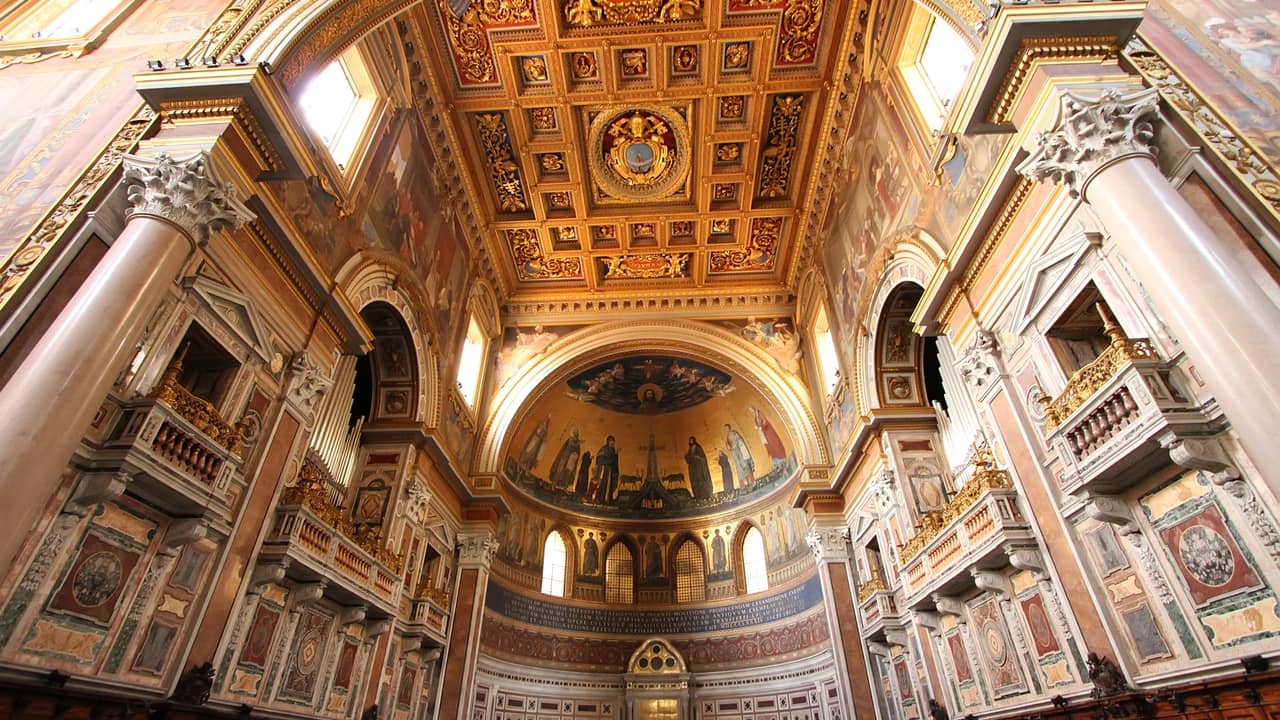
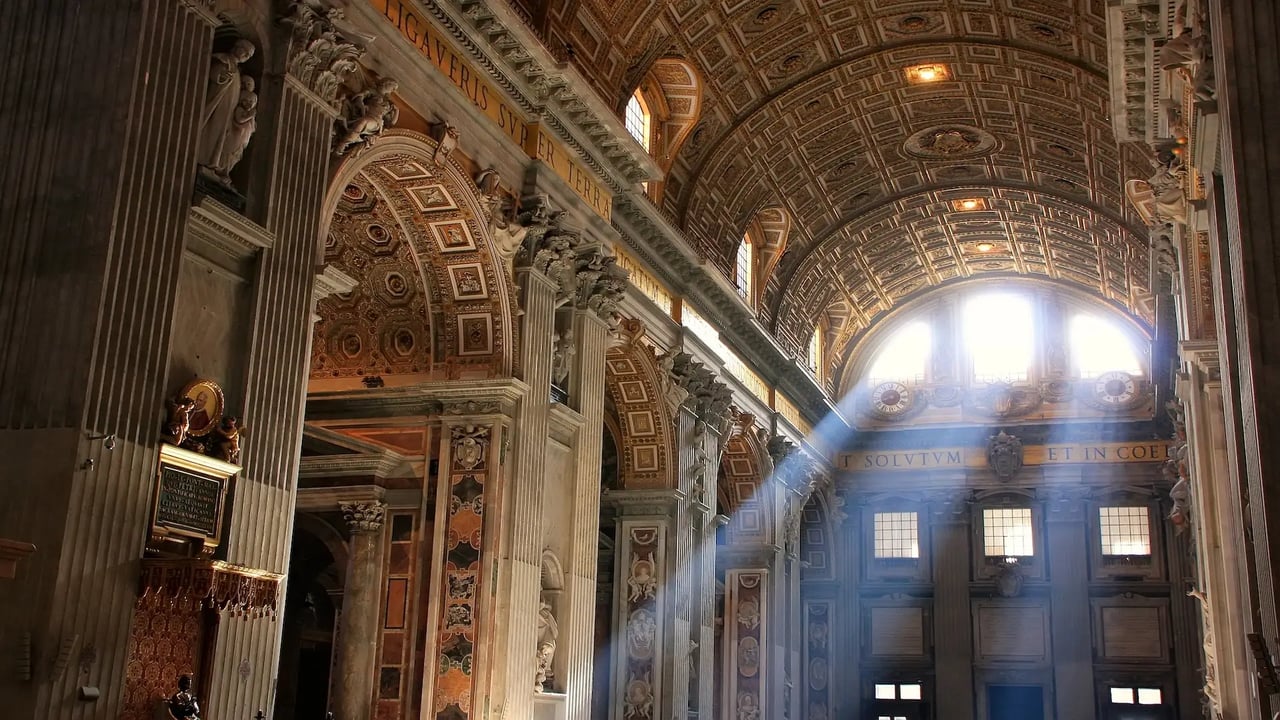
Rome’s great basilicas for a sacred itinerary
Ancient Rome highlights a short ride away
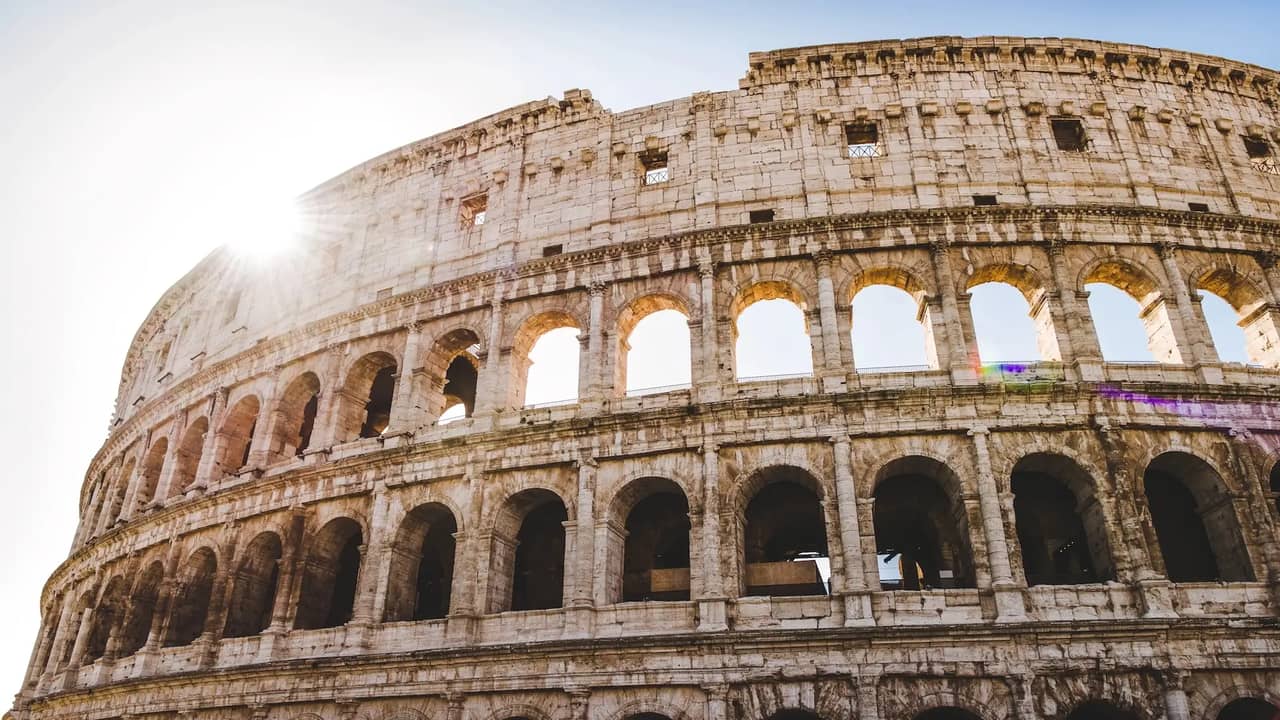
Everything You Need Before Visiting the Colosseum
Few places make ancient history feel this close. Use this article to pinpoint entrances, map the easiest routes from key transit stops, and choose the best hours to avoid peak crowds. Get packing pointers, accessibility details, plus guidance on guided tours or audio options and quick FAQs.
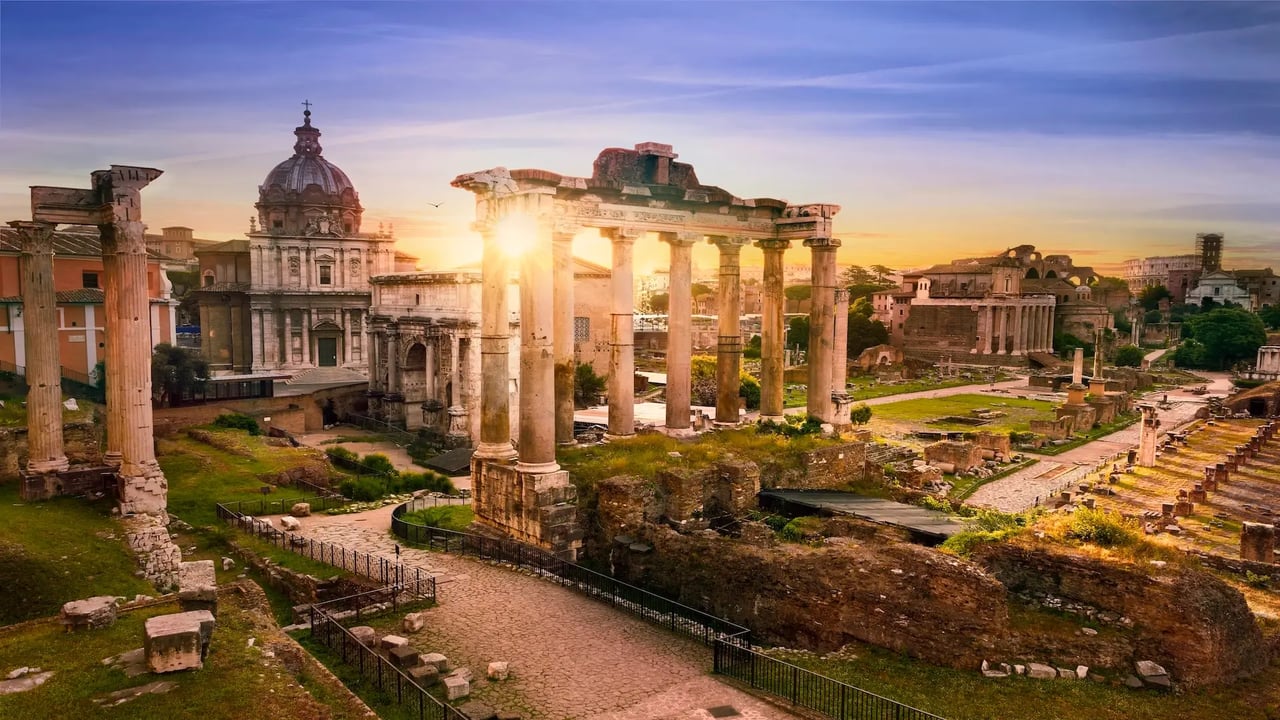
Everything You Need Before Visiting the Roman Forum
Few places make antiquity feel this immediate. This article explains where the ruins sit, opening hours, ideal seasons, what to bring, and how to handle uneven paving. You’ll also get myth-filled anecdotes, accessibility notes, plus tips on hiring guides or using audio tours.
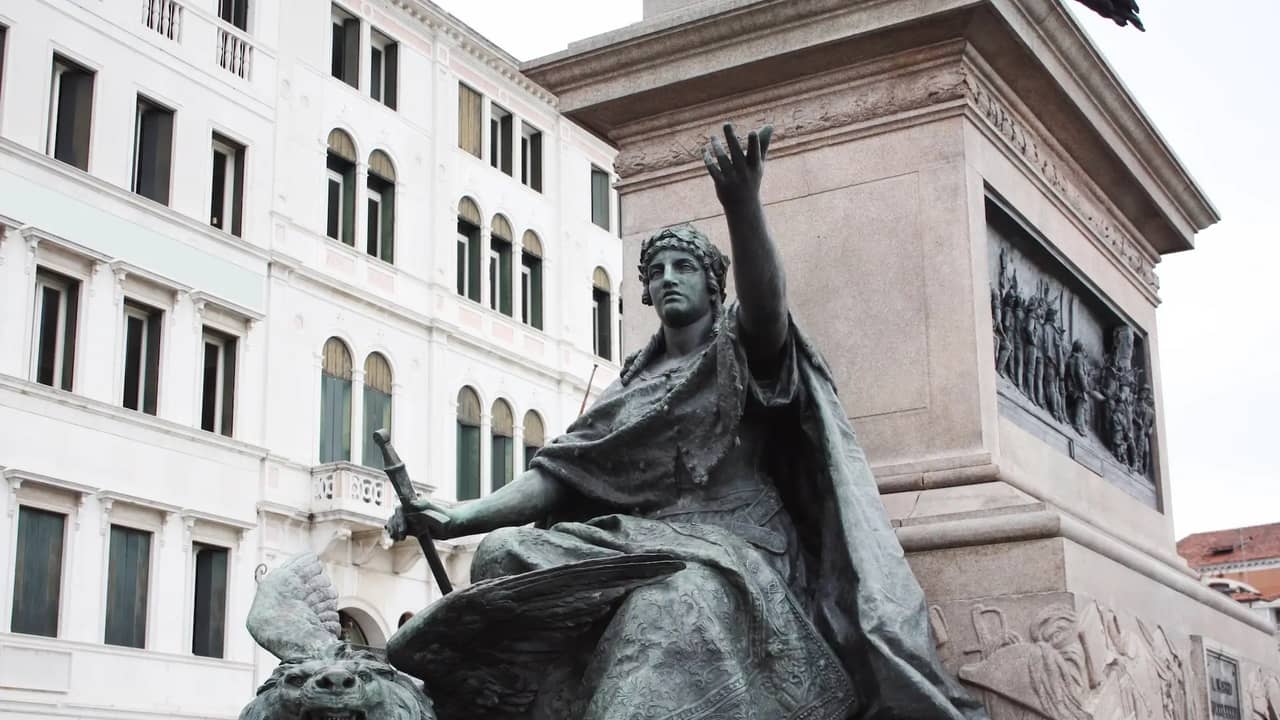
Everything You Need Before Visiting Il Vittoriano
Marble, scale, and skyline drama in one stop - Il Vittoriano rewards curious travelers. Get clear directions, current opening times, and the best moments for photos and breezes. Learn what to pack, hear quirky legends, check accessibility notes, and decide on a guided or audio tour.