Visit Timing
Best Time To Go
Early morning offers the calmest atmosphere, the fewest tour groups, and cooler temperatures - ideal for photos of the fountains and baroque facades without dense crowds. Evening brings attractive golden-hour and night lighting, a lively ambience from street performers, and more comfortable temperatures in warm months.
For the best photos: morning light is softer and the square is easier to frame without people; at dusk/after dark the fountains and surrounding buildings are illuminated, creating a more dramatic, cinematic look. Midday is typically the least comfortable (glare, heat in summer, heavier crowds).
Seasonal Guide
April - May and September - October generally balance pleasant temperatures with good daylight and manageable crowd levels compared with peak summer. Winter usually has the thinnest crowds, making the piazza feel more local and easier to photograph, though weather can be cooler and wetter.
Climate: Late spring/early autumn: typically mild to warm (comfortable for walking and outdoor seating). Summer (June - August): hot, higher humidity, strong sun, and heavier crowds. Winter: cooler with a higher chance of rain; evenings can feel chilly, but daytime sightseeing can be comfortable with layers.
If you want a scenic, ‘Rome-at-its-best’ strolling experience, prioritize April - May or September - October. If your main goal is minimal crowds and easy movement through the square, winter mornings are often excellent - just plan for possible rain and shorter daylight.
Peak hours
Packing Guide
By Season
Extra Tips
Top activities
How to Get There
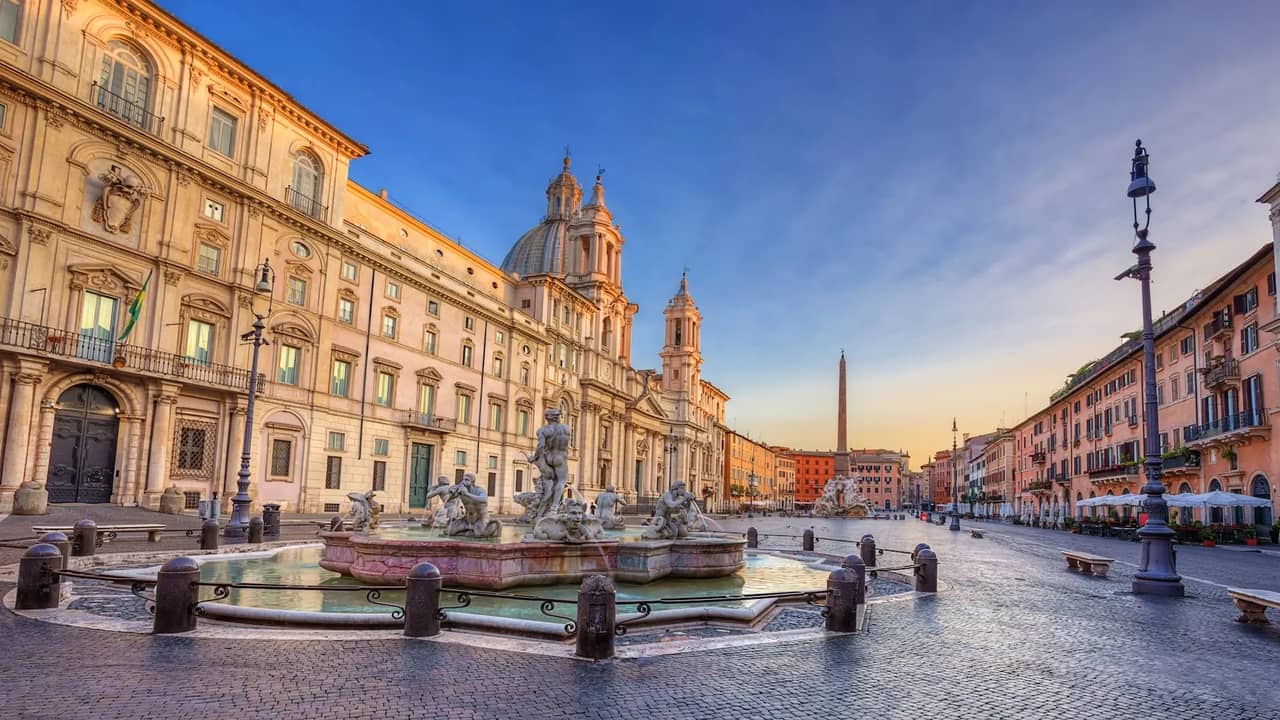
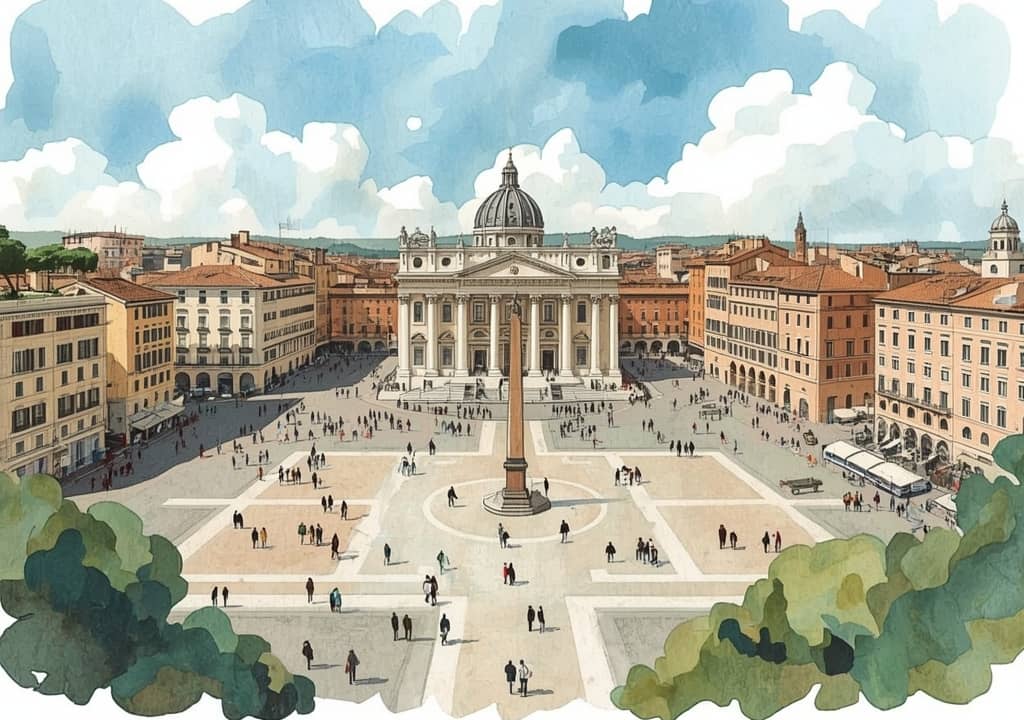
Piazza Navona is a famous public square in the historic center of Rome, Italy, located in the rione (district) of Parione, within the Municipio I area of the city. It lies just a short walk west of the Pantheon and Piazza della Rotonda, and a few minutes from Campo de’ Fiori to the south and Castel Sant’Angelo (and the Vatican area) to the northwest via the Tiber. The square is also closely connected to major Baroque landmarks, including Bernini’s Fontana dei Quattro Fiumi (Fountain of the Four Rivers) at its center and the Church of Sant’Agnese in Agone on its western side; nearby, you can also find Palazzo Madama (seat of the Italian Senate) and several historic palazzi, churches, and small lanes typical of central Rome. This part of Rome is special because it sits in the heart of the city’s UNESCO-listed historic center, where layers of ancient, medieval, and Baroque history overlap in a compact, walkable area. Piazza Navona itself is built on the footprint of the Stadium of Domitian, giving it an unusually long, oval shape that still mirrors its ancient Roman origins. It is worth visiting for its exceptional concentration of art and architecture, its lively street atmosphere (cafés, evening strolls, and frequent cultural activity), and its role as one of the most iconic spaces for experiencing Rome’s Baroque grandeur and historic urban fabric in a single setting.
Local Legends
Locals and guides love to point out a playful, imaginary conversation across the square: the figures on Bernini’s Fountain of the Four Rivers (Fontana dei Quattro Fiumi) seem to be reacting dramatically to the façade of Sant’Agnese in Agone. One figure is often said to be ‘shielding his eyes’ as if the church were too dazzling or surprising, while another looks like he’s gesturing in disbelief - turning the whole piazza into a theatrical stage.
Background
This story grew from Rome’s long tradition of artistic rivalry anecdotes, especially those told about the Baroque era. Over time, the fountain’s expressive poses became a perfect canvas for humorous interpretation, and the tale spread because it’s easy to retell while standing right there and looking back and forth.
Impact On Visitors
It encourages visitors to explore details they might otherwise miss, making the piazza feel like a living set where art ‘performs.’ People often end up taking photos that mimic the statues’ gestures, turning sightseeing into a lighthearted game.
Additional Details
A fun way to experience it: stand near the fountain and let everyone in your group pick a ‘line of dialogue’ for the statues, then walk toward the church and see if the expressions still match your invented script.
A classic, surprisingly cheerful ‘aha’ moment: Piazza Navona is shaped like a long oval because it follows the footprint of an ancient stadium. The myth-like version says that if you walk the curve of the square slowly, you’re ‘walking the track’ of the old arena, and that the buildings are like a cozy ‘shell’ built around the old outline.
Background
The piazza really does preserve the stadium’s plan, and generations of Romans have passed down the idea that the shape is a kind of time-travel clue. Guides reinforce it because it’s visible without any special tools - just your eyes and a stroll.
Impact On Visitors
It makes the space feel like a puzzle you can solve with your feet. Visitors often start tracing the curve deliberately, noticing how the square’s geometry guides your path and frames the fountains like ‘markers’ along the route.
Additional Details
A family-friendly challenge: ask someone to stand at one end and point to the other; the gentle curve can trick your sense of straight lines, which makes the stadium connection feel even more vivid.
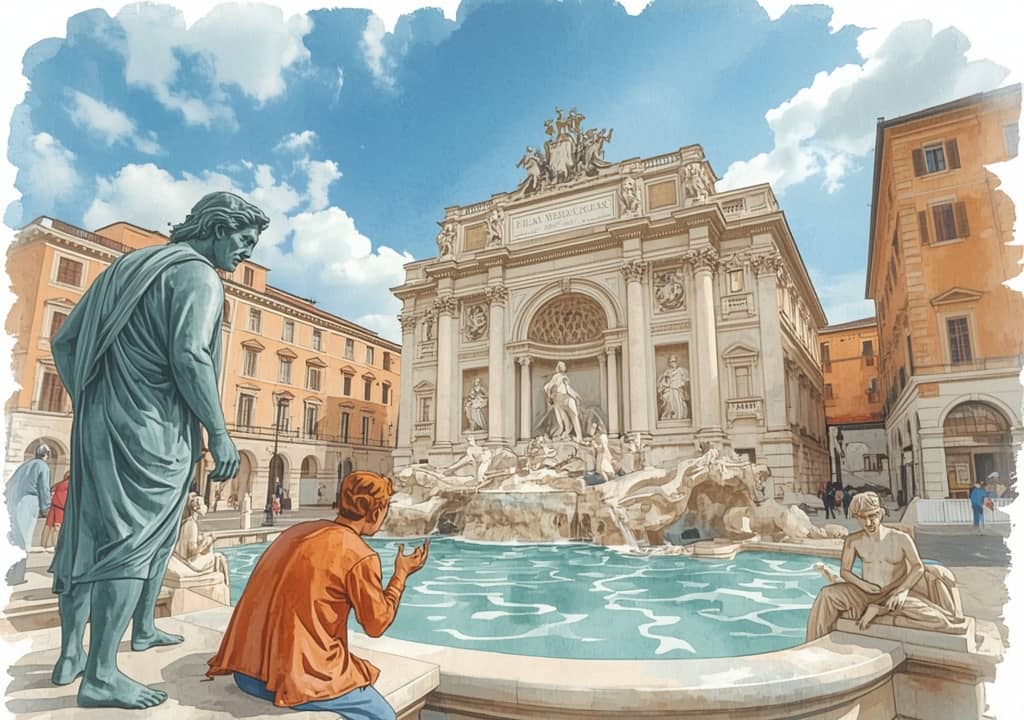
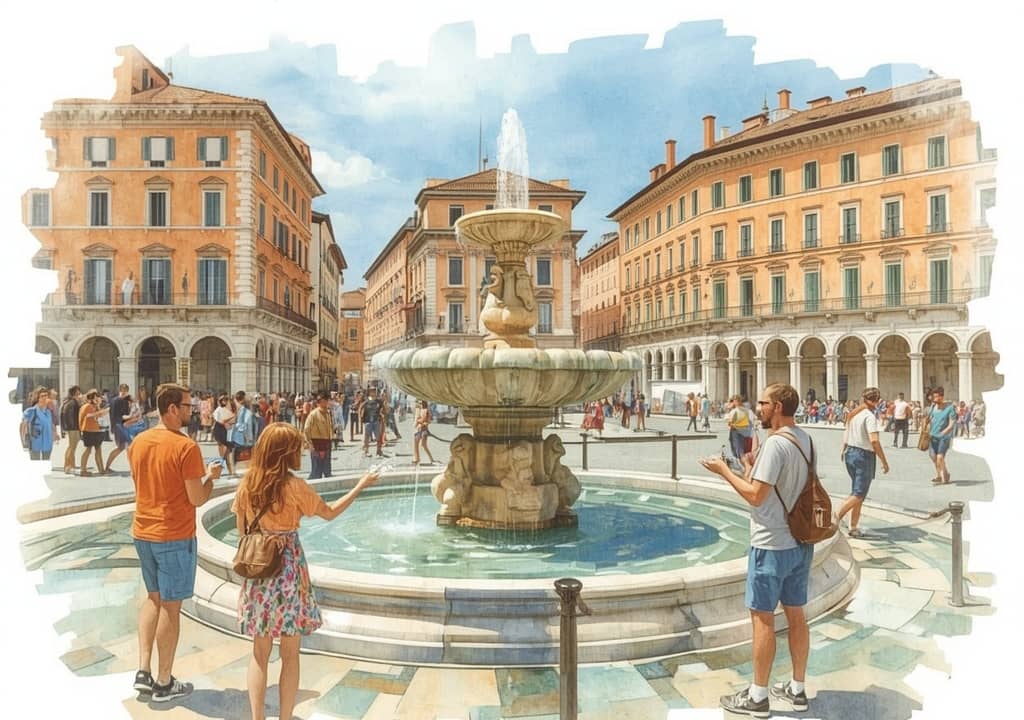
While the most famous coin-toss tradition is elsewhere in Rome, Piazza Navona has its own cheerful, unofficial habit: visitors toss a coin into a fountain and make a small wish - often something simple like ‘more sunshine’ or ‘the best gelato of the trip.’ It’s less a formal ritual and more a playful travel moment.
Background
Rome is full of fountain folklore, and travelers naturally bring that energy to Piazza Navona because the fountains are so central and inviting. The story persists because it’s a quick, fun act that feels like participating in the city rather than just observing it.
Impact On Visitors
It adds a sense of personal connection and optimism. People smile, take photos, and remember the piazza as a place where their trip gained a little extra sparkle.
Additional Details
Many locals frame it as a ‘keep it respectful’ custom: a small coin, a quiet wish, and then enjoying the square’s atmosphere - street artists, café views, and the gentle sound of water.
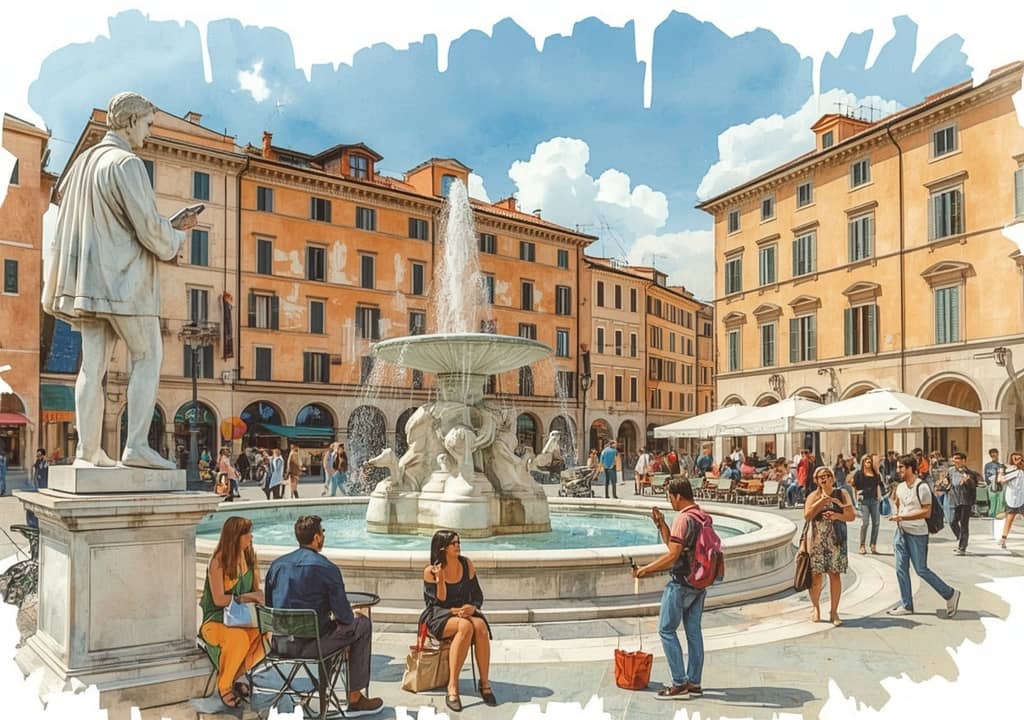
A lighthearted saying among visitors is that Piazza Navona feels like Rome’s outdoor living room: if you sit for a while, it’s as if the fountains are providing background music and the statues are the silent ‘audience’ for whatever performance is happening - musicians, painters, or playful passersby. Some guides jokingly claim the statues ‘prefer’ evenings, when the square feels especially theatrical.
Background
This comes from the piazza’s long-standing role as a gathering spot and promenade. Over centuries, the square has hosted markets and festivities, and that social energy has evolved into a modern legend about the piazza having a welcoming ‘personality.’
Impact On Visitors
It nudges tourists to slow down and people-watch rather than rushing through. Many leave with the feeling that Piazza Navona isn’t just a landmark to photograph - it’s an experience to linger in.
Additional Details
To try the ‘living room’ idea: pick one fountain as your ‘centerpiece,’ then notice how the square naturally stages little scenes - an artist finishing a sketch, a family choosing snacks, friends deciding where to go next.
Frequently Asked Questions
Piazza Navona is in Rome’s historic center (Centro Storico). The easiest way is on foot from the Pantheon (~8 minutes) or Campo de’ Fiori (~10 minutes). Common nearby bus stops include Corso Vittorio Emanuele II (several lines), followed by a short walk.
Early morning (around 7 - 9 am) is best for photos and fewer crowds. Late evening is great for atmosphere and fountain lighting. Midday is usually busiest, especially in peak season.
Spring (April - May) and autumn (September - October) offer pleasant weather and manageable crowds. Summer is hot and crowded; winter is quieter, with a lively Christmas market period in some years.
Don’t miss Bernini’s Fontana dei Quattro Fiumi (Fountain of the Four Rivers) in the center, the Fontana del Moro and Fontana del Nettuno at the ends, and the baroque Church of Sant’Agnese in Agone. The square follows the shape of Emperor Domitian’s ancient stadium.
The piazza itself is a public square and always accessible, free of charge. Nearby churches have their own visiting hours and may close during services; dress modestly if entering (covered shoulders recommended).
Plan 30 - 60 minutes for a relaxed walk, photos, and a quick stop. If you add a church visit, nearby sights, or a meal, 1 - 2 hours is more realistic.
Popular loops include: Pantheon → Piazza Navona → Campo de’ Fiori → Trastevere; or Castel Sant’Angelo → Via dei Coronari → Piazza Navona → Pantheon → Trevi Fountain (longer). Piazza Navona pairs well with nearby historic-center sights.
Wear comfortable walking shoes (cobblestones), carry a refillable water bottle (fountains nearby), and bring sun protection in warm months. If visiting churches, bring a light layer to cover shoulders.
It’s generally safe but busy. Watch for pickpockets, especially around crowds and outdoor seating. Be cautious with unsolicited help, “free” gifts, and street games; confirm prices before ordering at tourist-heavy terraces.
For wide shots, stand near either end of the square looking toward the central fountain. For details, photograph Bernini’s figures up close and the façade of Sant’Agnese in Agone. Early morning offers the cleanest backgrounds and best light.
Rome’s most photogenic piazzas close by
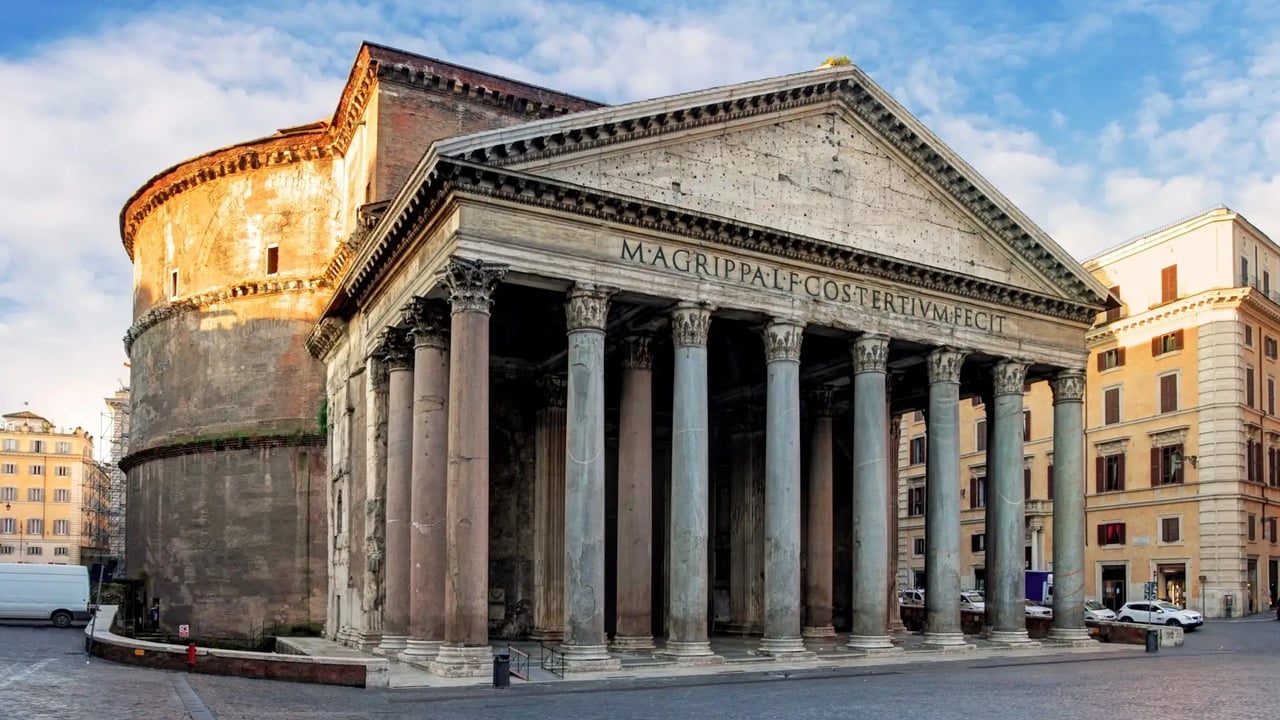
Everything You Need Before Visiting the Pantheon in Rome
One building, two millennia of wonder. This article breaks down where the Pantheon sits, current opening times, and the best hours to avoid crowds. You’ll also get a simple packing checklist, accessibility notes, and whether guided tours or audio guides are worth it, plus myths and quick FAQs.
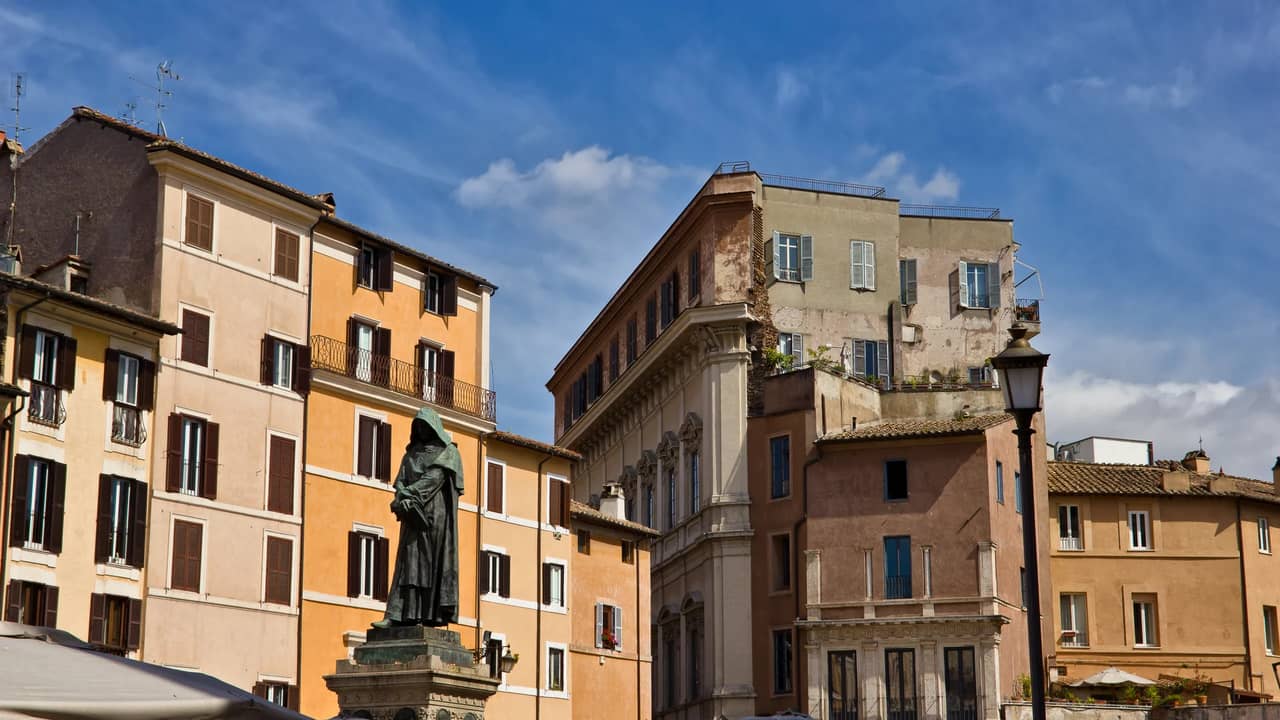
Everything You Need Before Visiting Campo de' Fiori
By day it’s a produce-packed market; after sunset it turns into a lively square. Use this article to time your stop, find the easiest routes, and know what to pack. You’ll also get quick notes on accessibility, safety basics, plus a few local myths and funny tales to listen for.
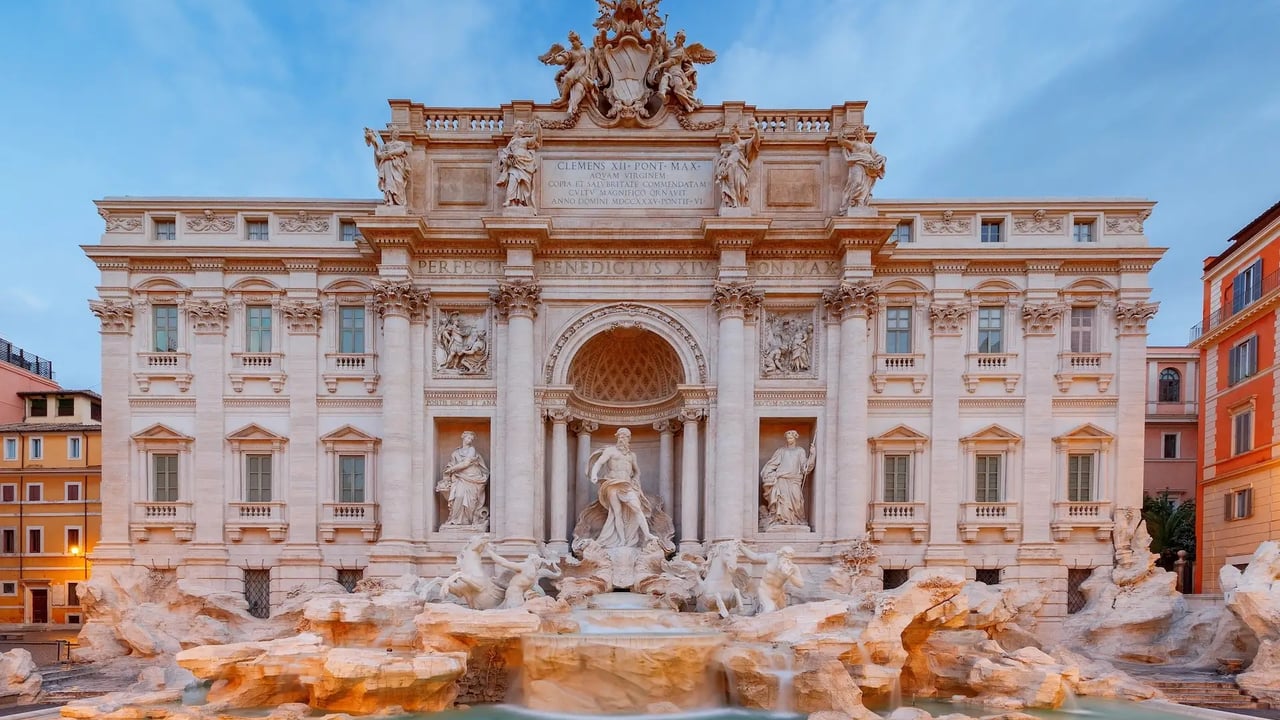
Everything You Need Before Visiting Trevi Fountain
It’s more than a backdrop - it’s a ritual. Learn where to stand for clearer shots, when to arrive for calmer moments, and what small essentials help in the splash zone. You’ll also find quick accessibility notes plus pointers on finding on-site guidance or a self-paced audio tour.