Hours And Schedule
Closes In 3h 29m
Opening Hours
Special Hours
Important Notes
Last admission is 60 minutes before closing. Entry to the Colosseum requires a mandatory reserved time slot; access to the Roman Forum is typically within the validity window of the combined ticket. Ticket sales generally open 30 days before the visit date, and advance booking is strongly recommended in high season.
Visit Timing
Best Time To Go
The Roman Forum is most comfortable and atmospheric early in the day: cooler temperatures (especially in warm months), softer light for photos, and noticeably thinner crowds before tour groups build up from late morning onward.
Aim to arrive 15 - 30 minutes before the posted opening time so you can enter promptly and enjoy quieter views along the Via Sacra. Late afternoon can also be pleasant for golden-hour light, but it often coincides with lingering midday crowds and can feel rushed if you arrive too close to closing.
Seasonal Guide
These shoulder seasons typically offer the best balance of mild temperatures, clear skies, and manageable visitor levels compared with peak summer. The Forum’s open-air ruins are most enjoyable when you can walk comfortably without intense heat or winter chill.
Climate: Spring and autumn are generally mild to warm; occasional rain is possible, so a light rain jacket and non-slip footwear help on stone paths. Summer can be very hot and exposed (limited shade), while winter is cooler with a higher chance of rain and shorter daylight.
For the most scenic experience, choose days with clear skies for strong contrast and texture on the ruins. In spring, surrounding greenery is fresher and some flowers may be in bloom; in autumn, the light tends to be warm and flattering, and temperatures are typically ideal for extended walking.
Peak hours
Packing Guide
By Season
Extra Tips
Tours And Guides
The Roman Forum is part of the Parco Archeologico del Colosseo (Colosseum Archaeological Park), and many visitor services are sold as combined experiences for the Roman Forum + Palatine Hill (often with the Colosseum). Exact language lists, prices, and pickup/redeem locations depend on the specific provider and product selected (official/authorized partners vs. third-party operators). For the most accurate, date-specific details, check the official Colosseum Archaeological Park ticketing pages and the terms of the specific guided-tour/audio-guide product you choose.
Expert Guides
How to book Commonly booked online in advance via tour operators and ticketing platforms that sell guided visits for the Colosseum Archaeological Park (Roman Forum + Palatine). Some guided tours may also be arranged through licensed guide associations or hotel concierges. On-site availability can exist but is not reliable and can sell out, especially in peak season.
Audio Tours
Most commonly obtained by booking an audio-guide option online (often bundled with entry/tour products) and then redeeming/picking up the device at the provider’s designated counter/office near the Colosseum/Roman Forum area. In some cases, audio guides are delivered via a mobile app after online purchase (no physical pickup).
App Guides
Online Experiences
Virtual/remote tours and 3D/VR-style experiences are widely offered by third-party tour providers and educational platforms focusing on Ancient Rome. These are typically purchased online and accessed via streaming links or app/web experiences; availability, exact content, and languages vary by provider.
Top activities
How to Get There
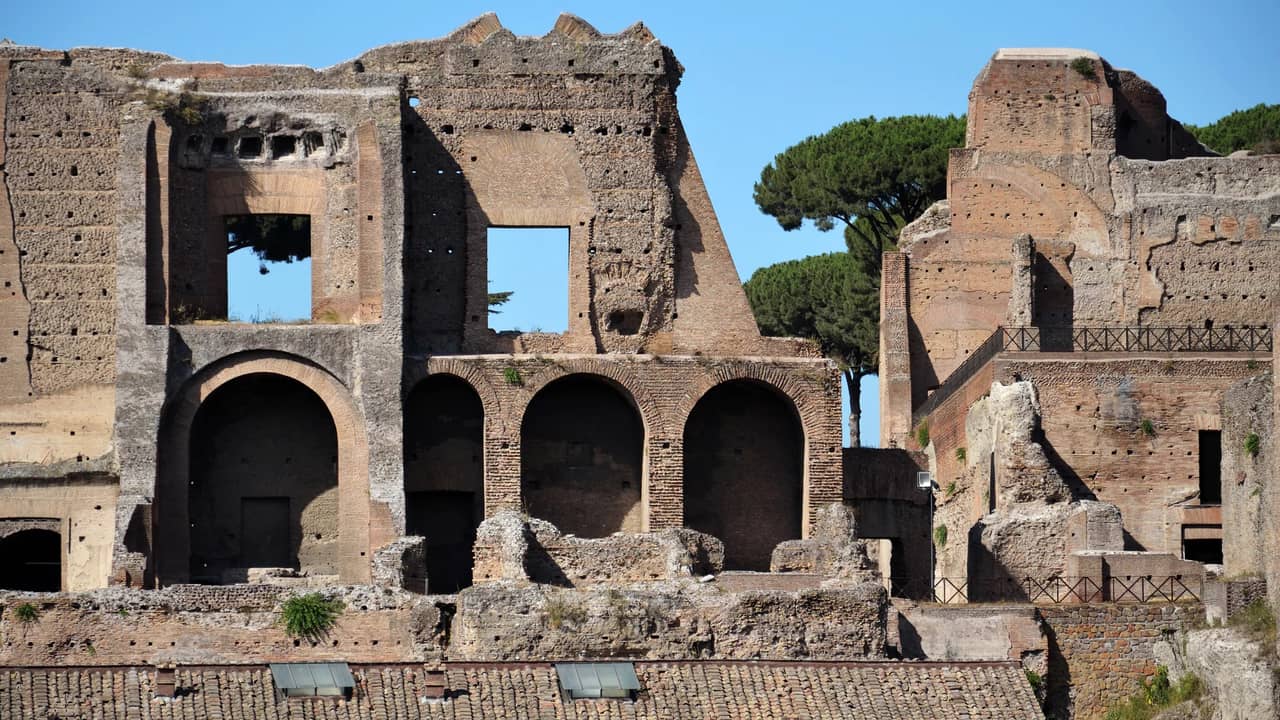
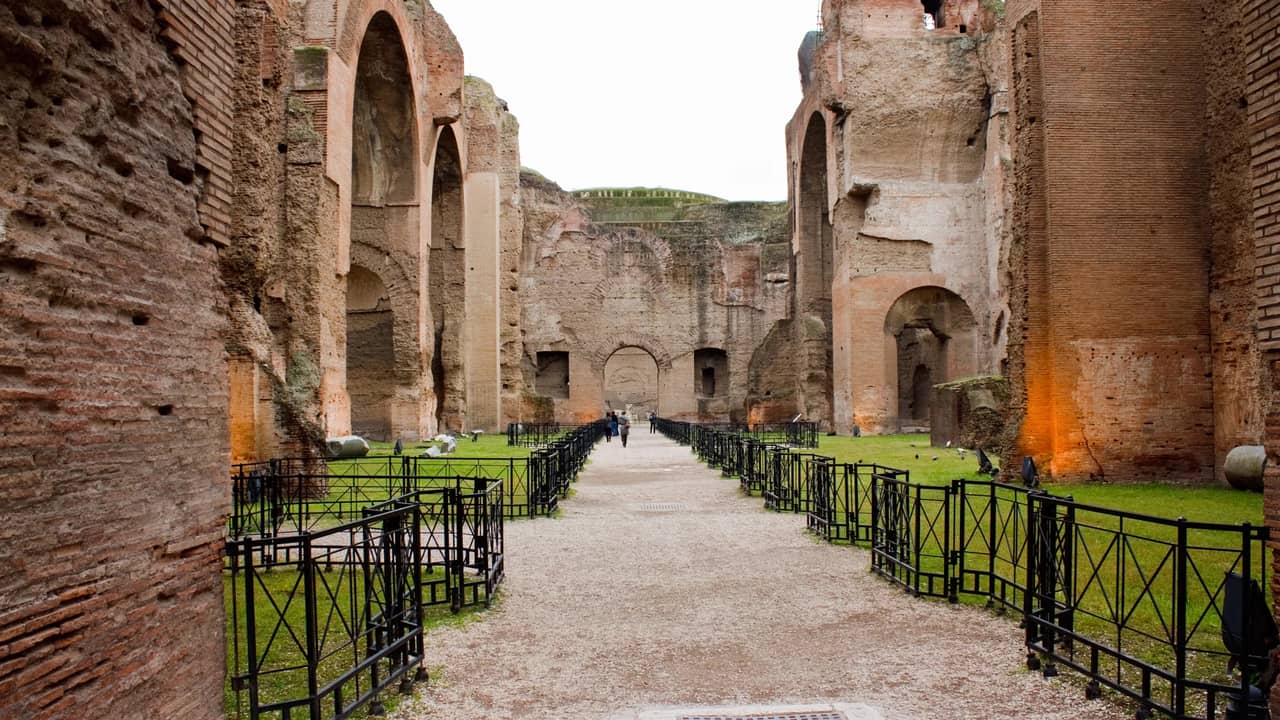
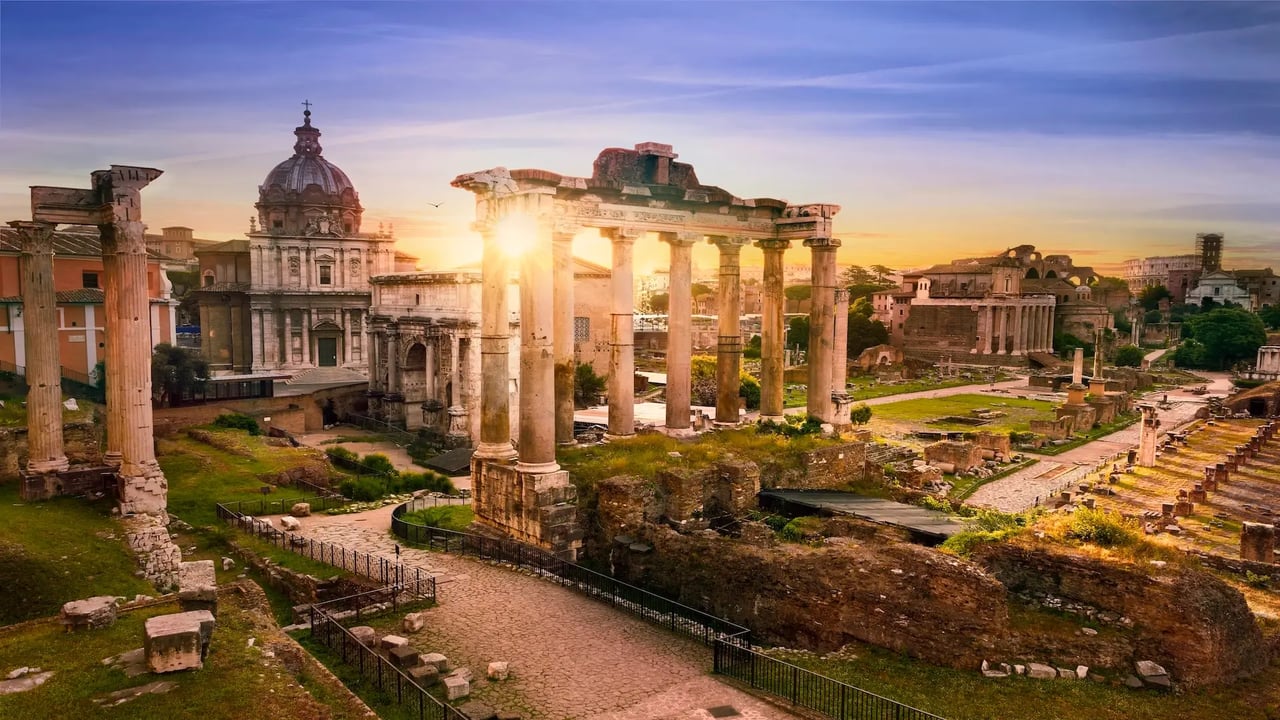
The Roman Forum (Foro Romano) is located in the historic center of Rome, Italy, in the ancient valley between the Palatine Hill and the Capitoline Hill. Administratively, it lies in the Municipio I (Centro Storico) area - Rome’s central district that contains much of the city’s most important archaeological and monumental heritage. Nearby landmarks and important places include the Colosseum (just east of the Forum), the Arch of Constantine, and the Palatine Hill (immediately adjacent), as well as the Capitoline Hill and the Capitoline Museums a short walk to the northwest. Also close are Piazza Venezia and the Vittoriano (Altare della Patria), the Imperial Fora (Fori Imperiali) and Trajan’s Column, and the Via dei Fori Imperiali, the main road connecting the Colosseum area to Piazza Venezia. This part of Rome is special because it concentrates an extraordinary density of ancient Roman sites in a walkable area, effectively forming the core of the former political, religious, and commercial heart of the Roman Empire. Visiting the Roman Forum is worth it for its unique, open-air archaeological landscape - temples, basilicas, triumphal arches, and ancient streets - set amid iconic hills and monuments, offering one of the most vivid ways to understand how ancient Rome functioned and how the city’s layers of history shaped modern Rome.
Local Legends
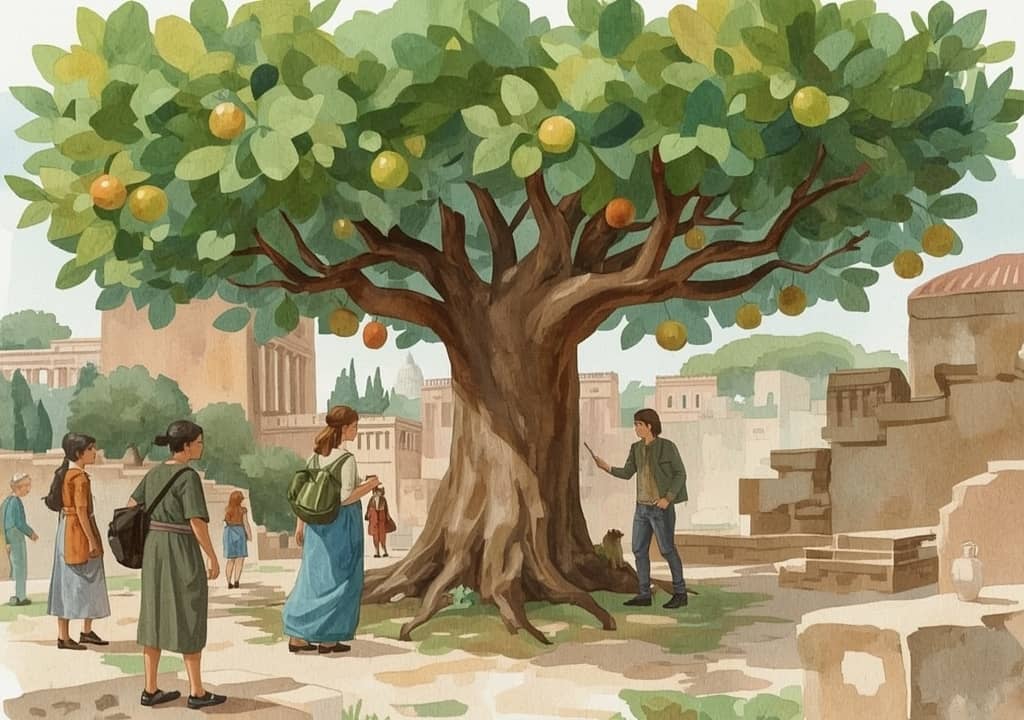
Visitors are often told that a special fig tree in the Forum area symbolizes Rome’s good fortune. The playful idea is that as long as a fig tree is thriving near the old civic heart of the city, Rome’s spirit keeps blooming too. Tour guides sometimes frame it as the ancient version of a ‘good-luck charm’ - a living reminder that the city always finds a way to renew itself.
Background
Ancient Roman tradition associated with the sacred fig (often linked in popular storytelling to the area of the Forum and nearby early-Rome legends). Over time, the theme of the ‘lucky fig’ became a tourist-friendly way to talk about Rome’s layered past and its habit of rebuilding and reimagining old spaces.
Impact On Visitors
It makes the ruins feel less like silent stones and more like a place with a continuing heartbeat. People often look around for greenery and enjoy the idea that a simple tree can carry a city’s hopes.
Additional Details
If you want a fun moment, ask a guide where the symbolic fig tradition shows up around the Forum and Palatine area; you’ll often get a charming explanation about how Romans loved linking everyday nature to big civic meaning.
Near the old speaker’s platform (the Rostra), there’s a cheerful rumor that the paving stones remember every big speech - and that if you stand there and say a few words, your voice will sound extra confident. It’s a lighthearted way of imagining that the Forum still ‘practices’ public speaking with anyone willing to try.
Background
The Forum was the city’s classic stage for public life, so modern guides and visitors naturally invent fun mini-legends about echoes, confidence, and ‘historic atmosphere.’ The Rostra’s role as a speech spot inspires this playful tradition.
Impact On Visitors
It invites families and groups to interact with the site in a friendly way - many people try a short greeting or a silly line and then laugh at the idea of getting a boost from history.
Additional Details
A good, safe-for-all-ages challenge: have each person give a one-sentence ‘ancient announcement’ - like praising gelato or declaring a family adventure day - and take a photo with the Forum behind you.
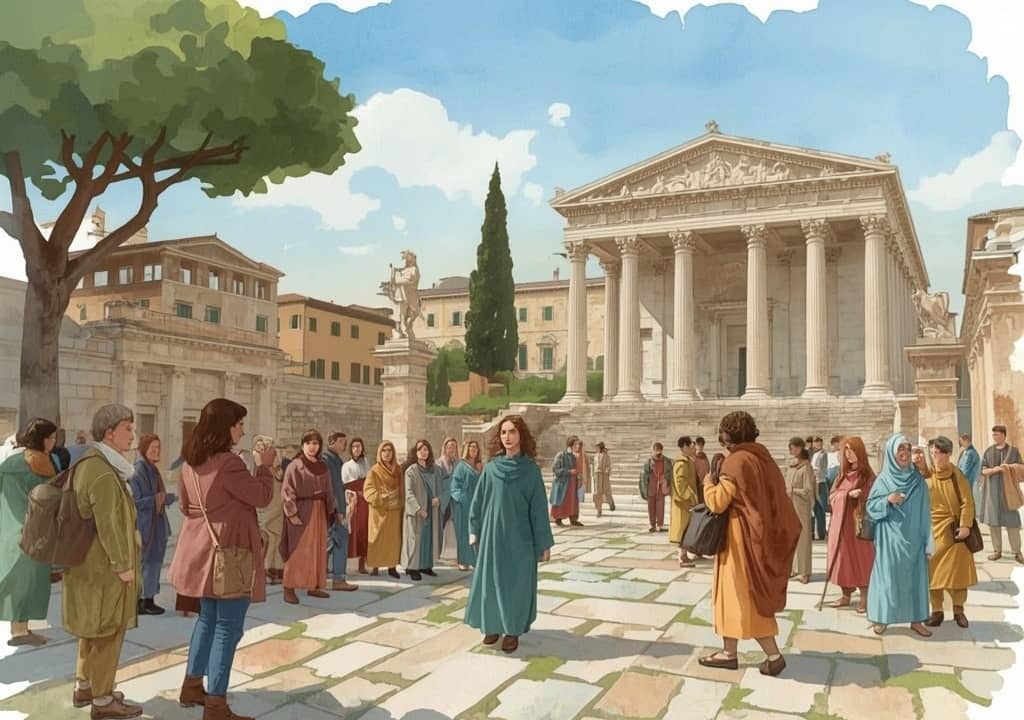
The Temple of Saturn is linked with Rome’s treasury in popular retellings, and a common tourist-friendly tale is that the ‘missing coins’ didn’t really vanish - they’re just ‘still doing their job’ as good-luck for the city. It’s told with a wink: the real treasure is that Rome stayed a place people keep returning to, century after century.
Background
In Roman times, Saturn’s temple was associated with state finances, which naturally invites storytelling. Over the years, the serious history softened into a smile: people enjoy imagining the ancient treasury as a place where fortune lingers in the air, even when the vaults are long gone.
Impact On Visitors
It turns a set of famous columns into an easy conversation starter, especially for kids: ‘Where did the treasure go?’ The answer becomes a warm, imaginative way to connect with the past.
Additional Details
Guides sometimes tie this to Saturnalia themes - old stories of a festive season - so visitors associate the area with lightness, generosity, and the idea that the Forum wasn’t only formal; it could be cheerful too.
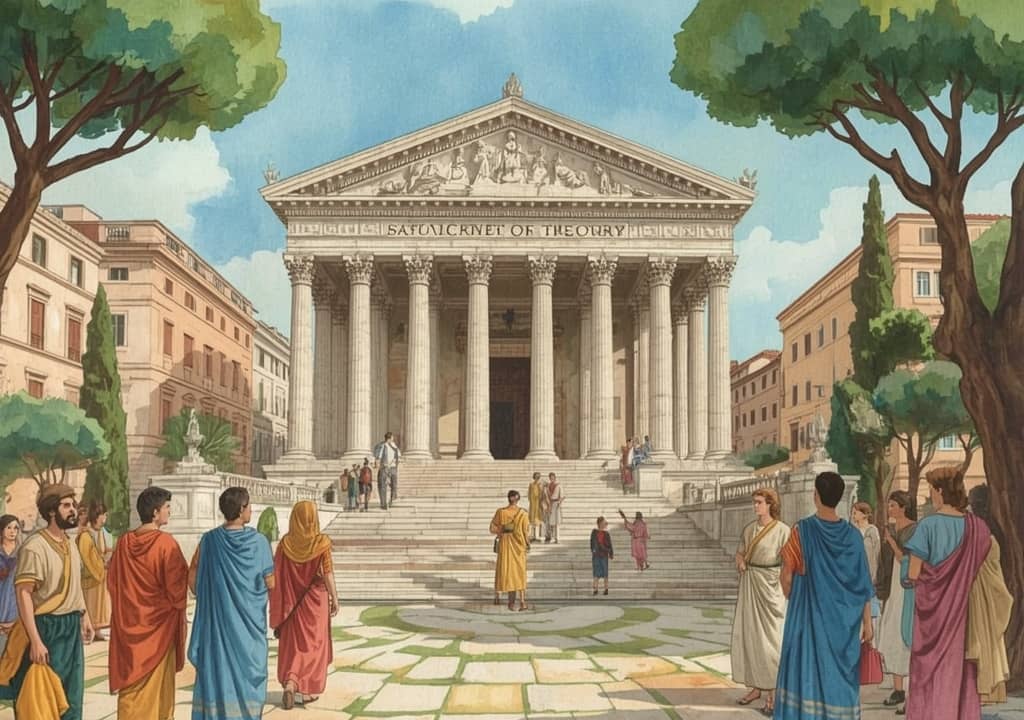
Fragments of an enormous marble map of ancient Rome (often discussed in connection with the Forum area) inspire a playful modern myth: that the city is a giant puzzle, and every visitor is ‘allowed’ to solve one tiny piece just by walking thoughtfully and noticing details. It’s a gentle, fun way to describe how historians reconstruct the past from scattered clues.
Background
The real marble plan of Rome survives only in pieces, and scholars have long worked to match fragments. That serious research easily becomes a visitor-friendly story: the Forum is like a mystery board where columns, arches, and foundations are clues.
Impact On Visitors
It encourages people to slow down, compare shapes, and look for patterns in the ruins - turning sightseeing into a friendly scavenger hunt mindset.
Additional Details
A simple family activity: pick one visible feature (an arch, a line of columns, a paved stretch) and imagine what ‘map fragment’ it could belong to. The point isn’t correctness - it’s noticing how the Forum invites curiosity.
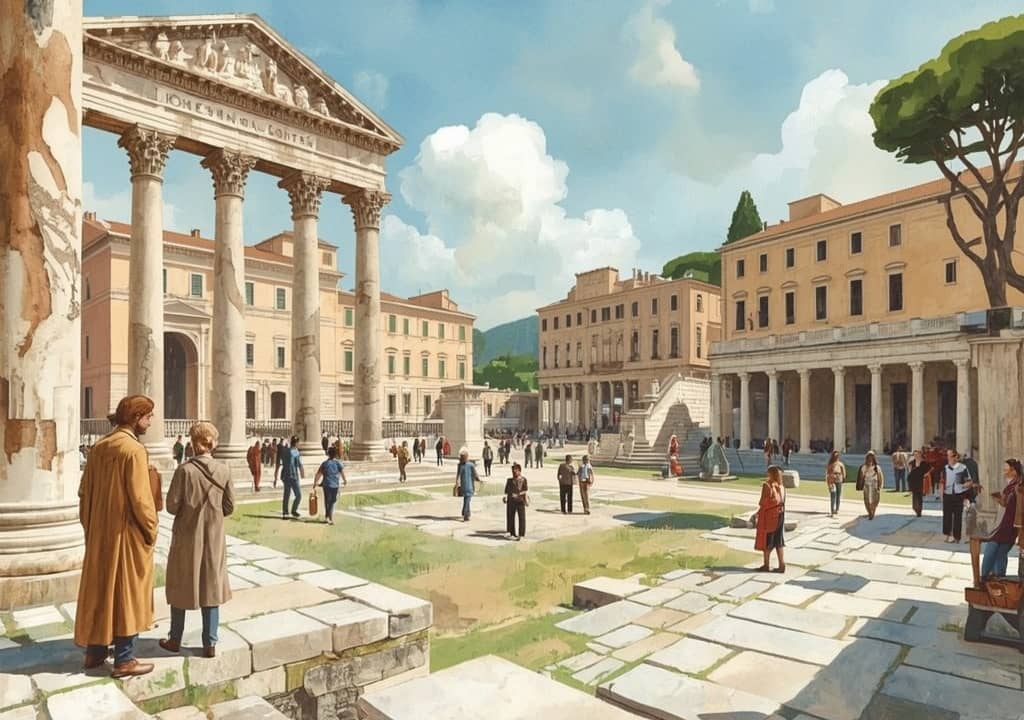
Frequently Asked Questions
The Roman Forum is the main archaeological complex of ancient Rome’s public life - once the center of politics, religion, and commerce. It contains major ruins such as the Temple of Saturn, the Arch of Septimius Severus, and the House of the Vestal Virgins.
Go early in the morning at opening time for cooler temperatures, softer light, and fewer crowds. Late afternoon can also be good, but crowds may increase if nearby sites are busy.
Spring (April - May) and autumn (September - October) usually offer the most comfortable weather. Summer can be very hot with little shade; winter is quieter but can be rainy.
Plan 1.5 - 3 hours for the Forum itself, depending on interest and pace. Many visitors combine it with the Palatine Hill and Colosseum, which can take 3 - 6 hours total.
A common, easy-to-follow route is: enter near the Arch of Titus (from the Colosseum side), walk along the Via Sacra past the Basilica of Maxentius, Temple of Antoninus and Faustina, Curia (Senate House), then exit toward Piazza Venezia/Capitoline area. Add Palatine viewpoints before or after for the best panoramas.
Typically, the standard ticket includes entry to the Roman Forum, Palatine Hill, and (usually) the Colosseum. Check the official ticket type and time slot rules when booking, as conditions can change and timed entry is often required for the Colosseum.
Top highlights include the Via Sacra, Arch of Septimius Severus, Temple of Saturn, Curia (Senate House), Temple of Antoninus and Faustina, Basilica of Maxentius, House of the Vestal Virgins, and panoramic views from the Palatine Hill.
Wear comfortable walking shoes (uneven stone paths), bring water, sun protection (hat/sunscreen), and a light layer in cooler months. A small portable charger and an offline map/audio guide can be helpful.
Some areas have ramps and smoother routes, but much of the Forum has uneven surfaces, steps, and cobblestones. If accessibility is a priority, plan a limited route on the main paths and consider asking staff about the most accessible entrances and sections on the day.
Yes - because many ruins are unlabelled or hard to interpret, a licensed guide or a good audio guide greatly improves understanding and helps you focus on the most significant structures efficiently.
Unmissable Ancient Rome right next door
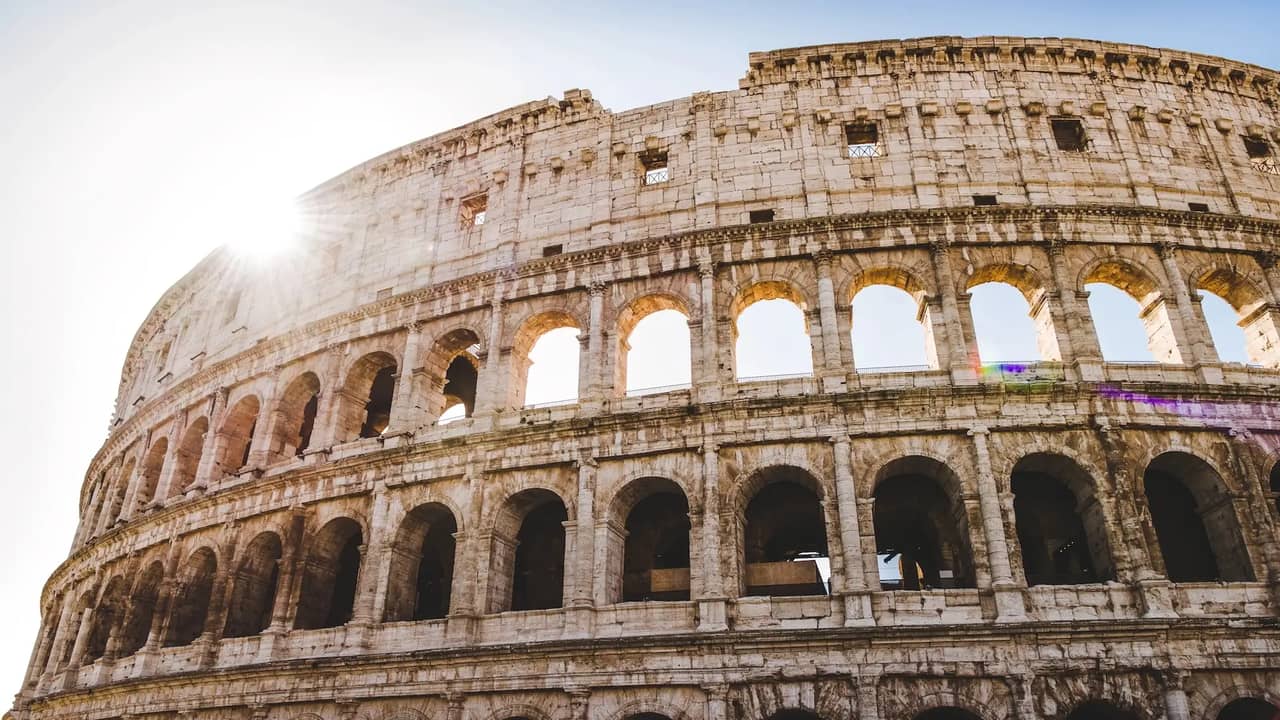
Everything You Need Before Visiting the Colosseum
Few places make ancient history feel this close. Use this article to pinpoint entrances, map the easiest routes from key transit stops, and choose the best hours to avoid peak crowds. Get packing pointers, accessibility details, plus guidance on guided tours or audio options and quick FAQs.
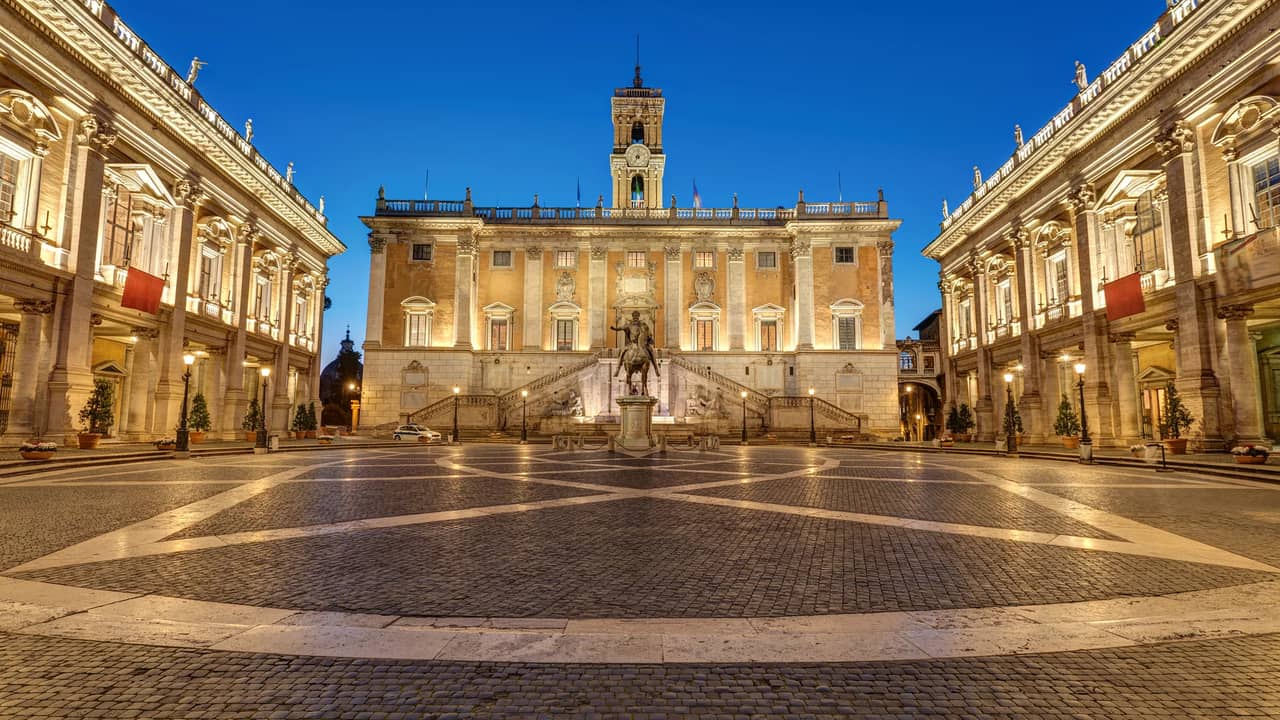
Everything You Need Before Visiting Capitoline Museums
Rome’s oldest public museum hides big surprises on Capitoline Hill. Get clear directions, opening hours, and the smoothest time slots, plus what to pack and how long to stay. Learn about step-free routes, onsite facilities, and whether an audio guide or live expert suits your style.
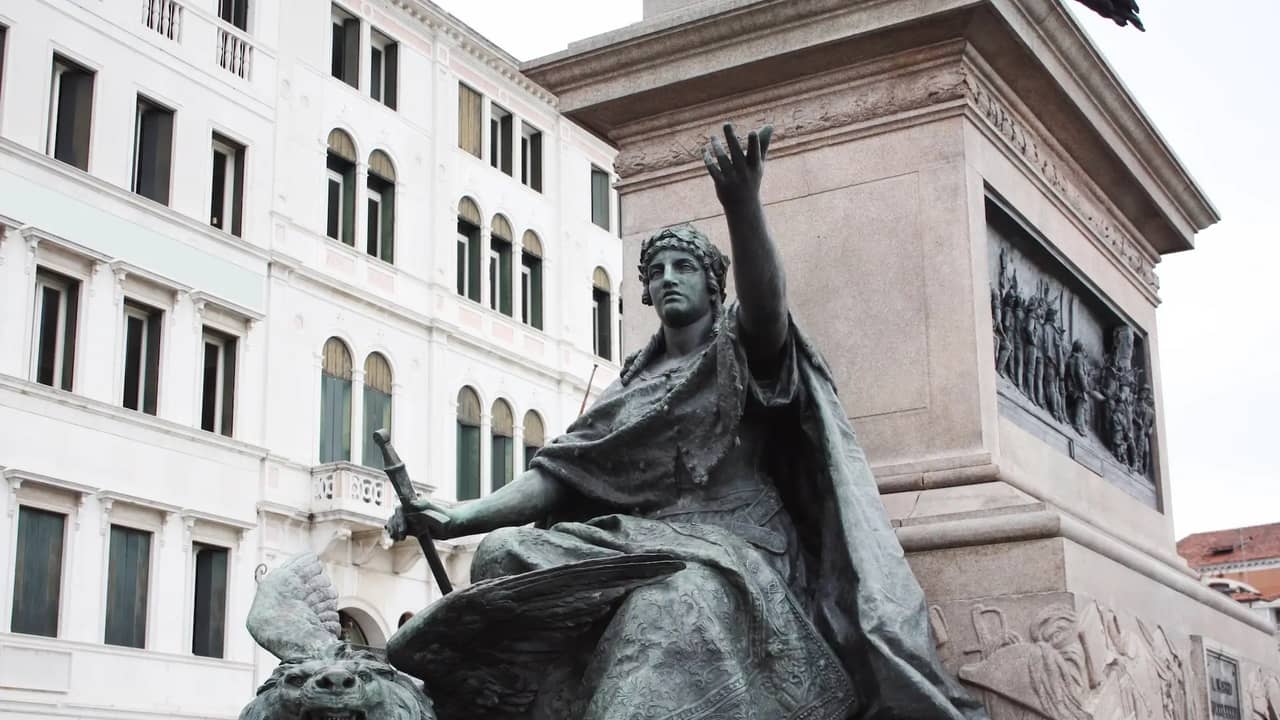
Everything You Need Before Visiting Il Vittoriano
Marble, scale, and skyline drama in one stop - Il Vittoriano rewards curious travelers. Get clear directions, current opening times, and the best moments for photos and breezes. Learn what to pack, hear quirky legends, check accessibility notes, and decide on a guided or audio tour.