Hours And Schedule
Opens At 07:00
Opening Hours
Special Hours
Important Notes
Entry to the Basilica is free; security screening is required. Guided tours operate Monday - Saturday 09:30 - 17:30 (last registration 17:00) and Sundays/Vatican holidays 13:30 - 15:30 (last registration 15:00).
Visit Timing
Best Time To Go
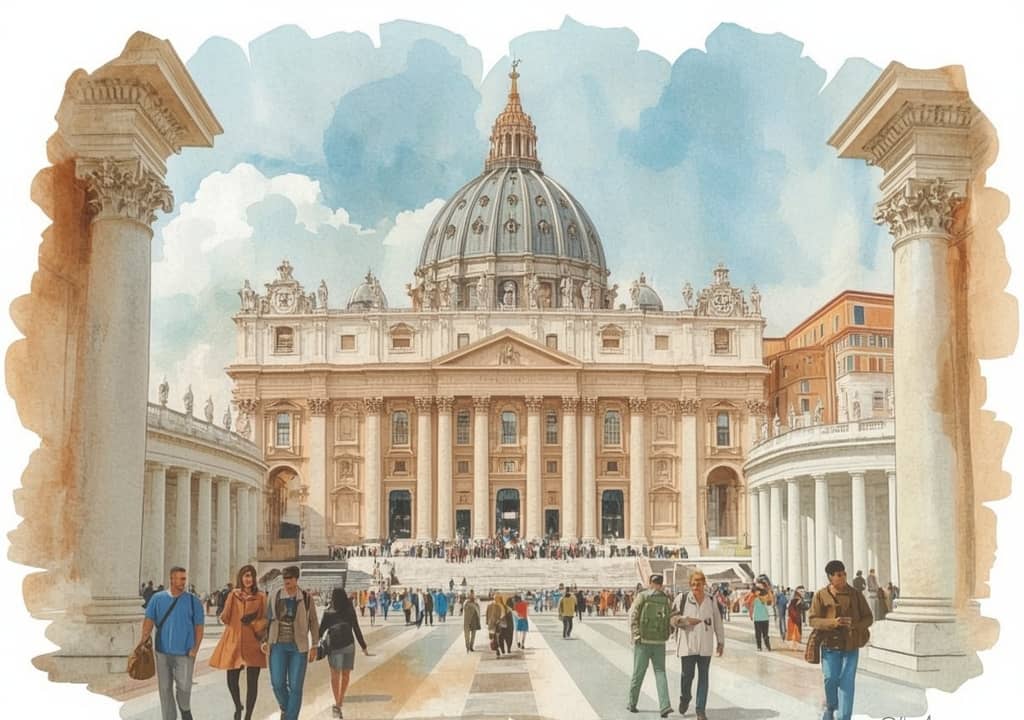
Arriving at opening typically offers the shortest security lines, the least interior crowding, and a calmer atmosphere for viewing key artworks (e.g., Michelangelo’s Pietà) and the Baldachin. Light is also softer for photos in St. Peter’s Square and the basilica’s facade before midday glare.
Aim to be at the security checkpoints 30 - 60 minutes before the posted opening time. If you plan to visit the dome, go early as well - dome lines and stairwell congestion build quickly. Dress code is enforced (covered shoulders and knees), which can slow entry if you need to adjust clothing.
Seasonal Guide
These shoulder seasons generally balance comfortable temperatures with good daylight and comparatively manageable crowds versus peak summer. They also tend to be more pleasant for time spent in St. Peter’s Square and for climbing the dome (many stairs, limited ventilation).
Climate: Late spring: mild to warm days, cooler mornings, generally pleasant for outdoor queuing and the square. Early autumn: warm but less intense heat than midsummer, with comfortable evenings; occasional rain showers are possible in both periods.
Summer (June - August) brings heavy crowds and heat - expect longer lines and a less comfortable dome climb. Winter (November - February) can have shorter lines and a quieter interior, but mornings/evenings are cooler and weather can be damp; daylight is shorter for exterior photos.
Peak hours
Packing Guide
By Season
Extra Tips
Tours And Guides
St. Peter’s Basilica entry is generally free, but security lines can be long; guided tours may include reserved access arrangements depending on the specific provider and itinerary. Audio guide desk locations and exact language lists can vary over time and by operational conditions; confirm on-site signage or with the chosen provider when booking.
Expert Guides
How to book Book in advance via licensed tour operators’ websites (often marketed as guided tours of St. Peter’s Basilica / Vatican area). On-site, you may find accredited guides offering services in/near St. Peter’s Square, but availability and legality/quality vary; advance booking is recommended, especially in peak seasons.
Audio Tours
Commonly available on-site via authorized audio guide counters/desks in or near the basilica visitor flow (exact desk location can change with security/entry routing). Alternatively, some tour operators include an audio guide device as part of prebooked ‘self-guided’ entry packages where applicable.
App Guides
Online Experiences
Online virtual tours and 360°/interactive experiences of St. Peter’s Basilica are available through various web platforms and publishers; offerings range from free web-based panoramas to paid guided virtual experiences. Availability and pricing depend on the provider.
Top activities
How to Get There
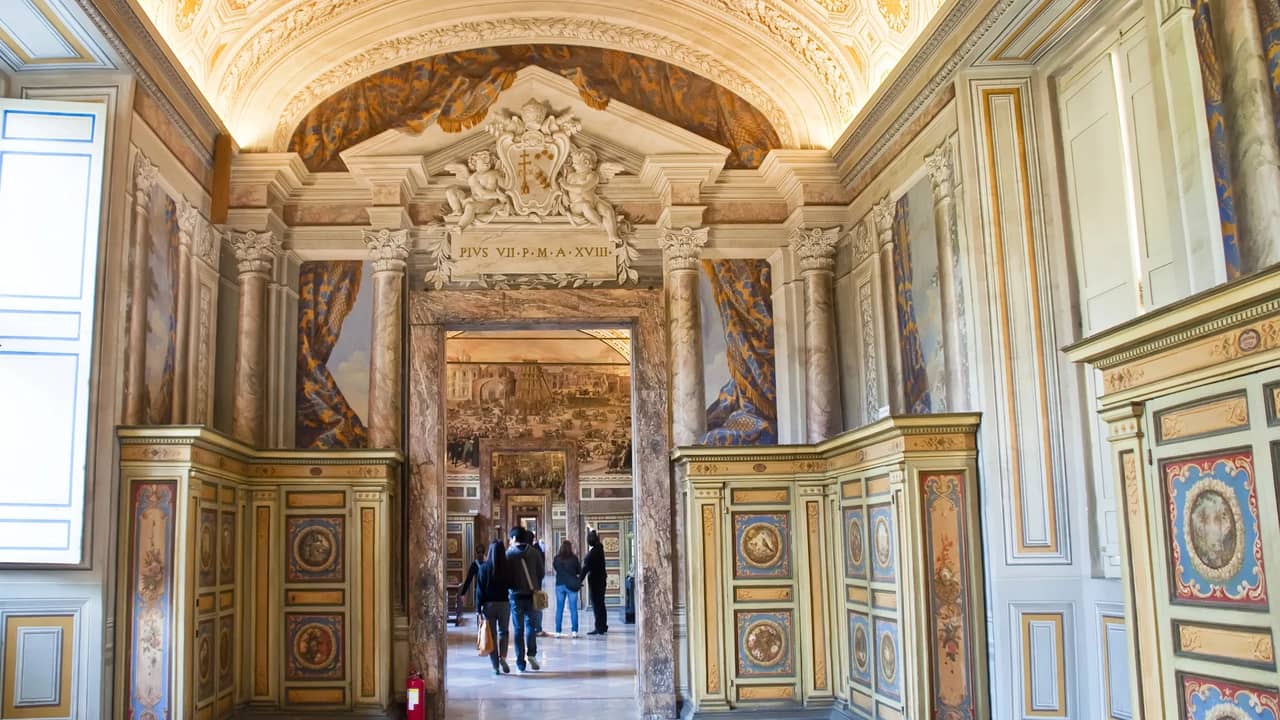
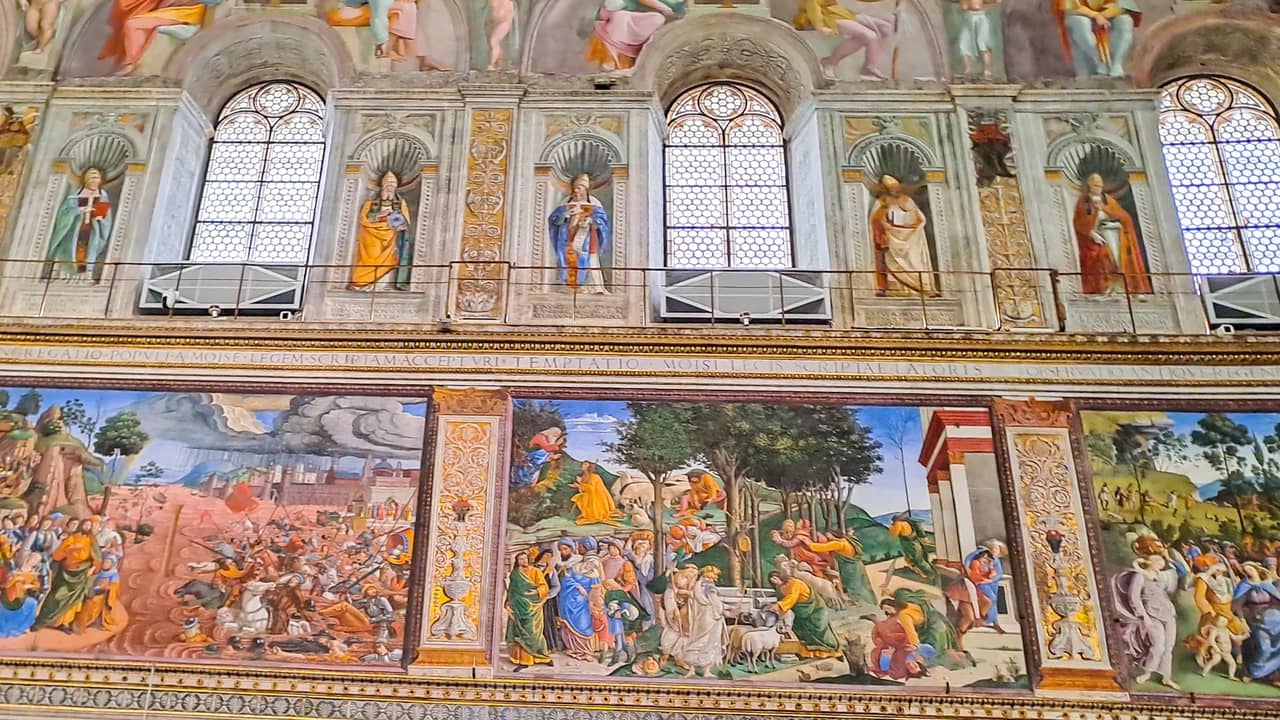
Saint Peter’s Basilica (Basilica di San Pietro) is located in Vatican City, an independent city-state enclaved within Rome, on the west bank of the Tiber River. It sits at the heart of St. Peter’s Square (Piazza San Pietro), in the area known as the Vatican (commonly referred to in Rome as the “Vaticano”/Prati - Vatican vicinity). Just outside Vatican City’s walls, the nearest Roman district (rione) is Borgo, and the closest wider neighborhood is Prati, which frames much of the approach to the Vatican from the Italian side. Notable places nearby include St. Peter’s Square and its sweeping Bernini colonnades; the Apostolic Palace and Vatican Museums (home to the Sistine Chapel) a short walk to the north; Castel Sant’Angelo to the east along Via della Conciliazione; and the Tiber River promenades and bridges such as Ponte Sant’Angelo. Also close are the historic streets of Borgo Pio and Borgo Santo Spirito, lined with cafés, small shops, and traditional Roman buildings. This part of the city is special because it concentrates some of the world’s most significant religious, artistic, and architectural heritage in a compact area: the spiritual center of the Roman Catholic Church, the monumental urban design of St. Peter’s Square, and an extraordinary density of Renaissance and Baroque masterpieces. It is worth visiting for the basilica’s scale and artistry (including works associated with Michelangelo and Bernini), the experience of the grand ceremonial square, and the easy access to other major sights like the Vatican Museums and Castel Sant’Angelo - all within a walkable, historically layered quarter at the edge of central Rome.
Local Legends
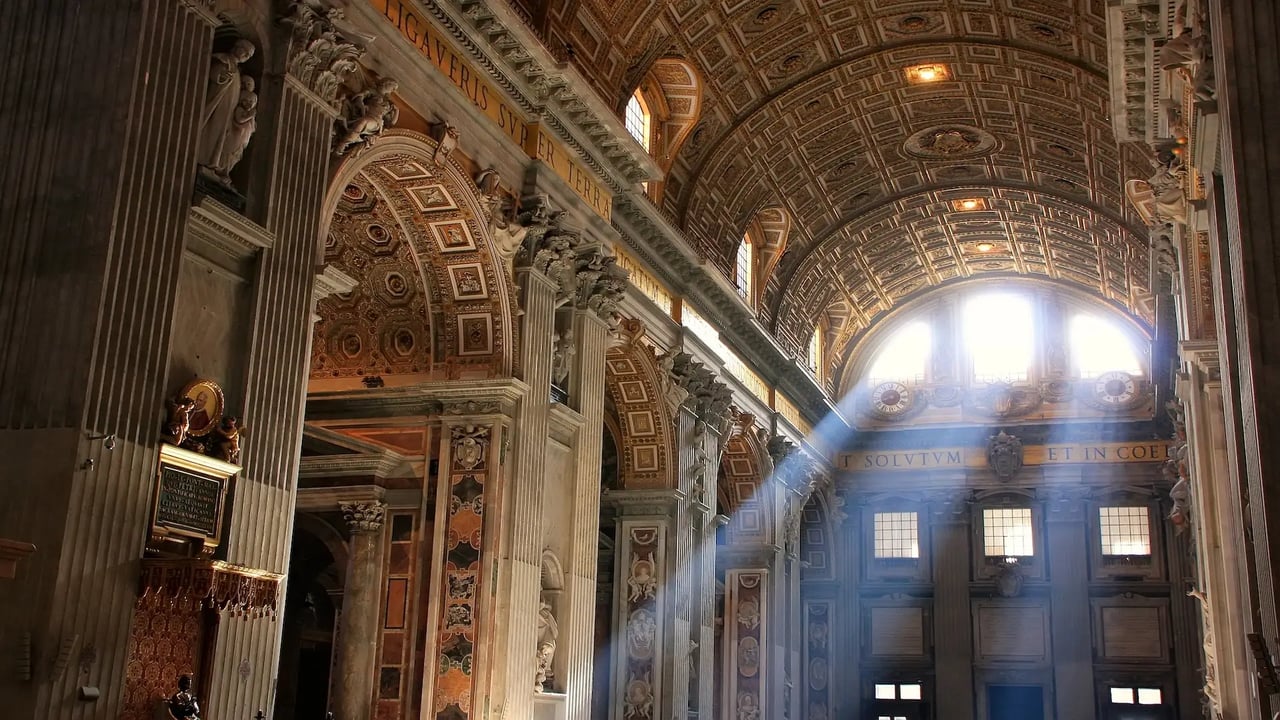
Visitors often laugh when they realize the Latin inscriptions circling the inside of the basilica look like ordinary writing from the floor - but each letter is actually huge. People love guessing the size before they learn the truth.
Background
The interior is so vast that architects and designers used very large lettering so it could be read clearly from far below. The building’s scale makes the letters seem smaller than they are.
Impact On Visitors
It turns a quiet moment of looking up into a playful “wait - how big is that?” revelation, and it helps tourists grasp just how enormous the space is.
Additional Details
Guides sometimes turn it into a game: compare the letters to the height of a doorway or a person. Many visitors walk away saying the basilica “shrinks” things the way a magic lens would - an easy, family-friendly surprise.
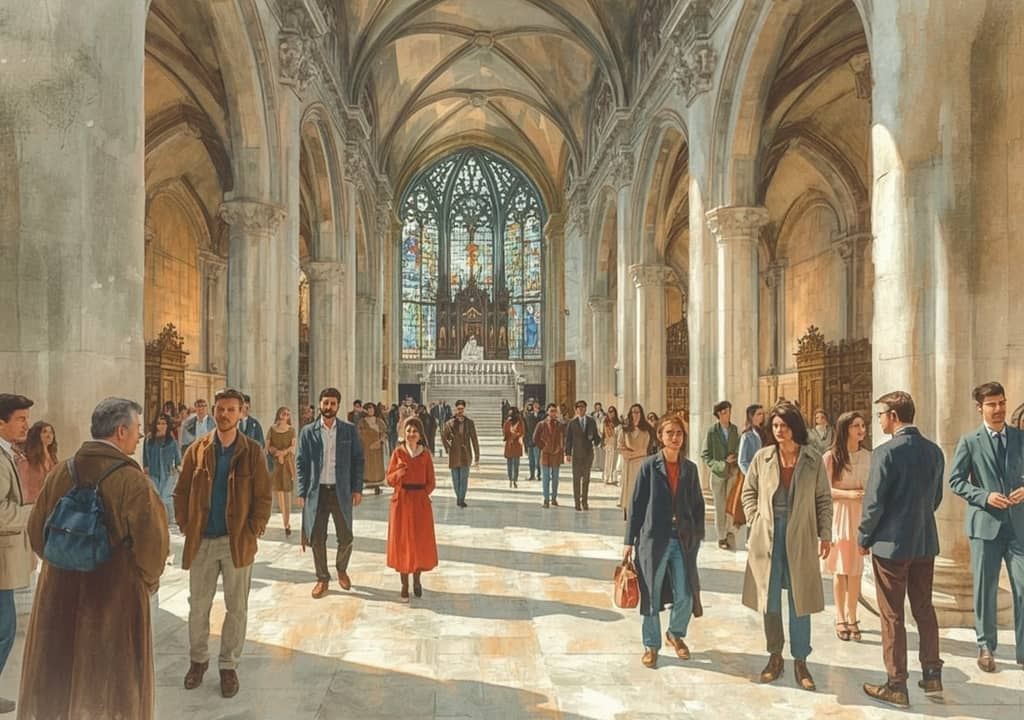
A popular light rumor says the builders and artists were quietly trying to outdo each other with grander columns, bigger domes, and more impressive details - so the basilica became a kind of architectural bragging rights project.
Background
Over many years, different teams contributed to the design and decoration. Because the results are so monumental, it’s easy for storytellers to frame the long construction as a playful contest of ambition and creativity.
Impact On Visitors
It adds a fun narrative to sightseeing: tourists scan for “show-off” moments - oversized details, dramatic curves, and bold visual choices - and feel like they’re spotting the winners of an artistic challenge.
Additional Details
This tale is often told with a wink: the basilica’s sheer scale becomes the punchline. Even without any official proof of a contest, it’s an entertaining way to explain why so many elements feel delightfully larger-than-life.
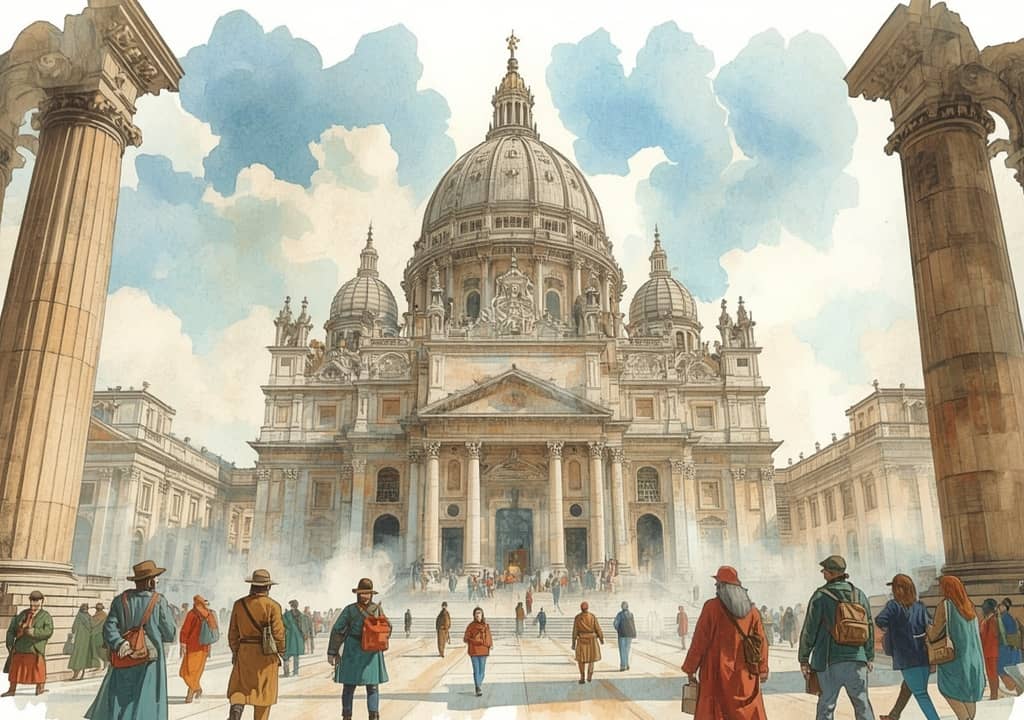
Many visitors hear a charming claim that the basilica was designed like a visual magnet: the architecture gently guides your gaze higher and higher until you’re smiling up at the dome without even noticing you’ve been led there.
Background
This idea comes from how the interior is organized - layered arches, repeating patterns, and upward lines that naturally draw attention toward the central dome. Over time, guides and travelers turned that effect into a memorable “secret trick” story.
Impact On Visitors
It makes people more attentive to how the building ‘moves’ their attention. Families often try it out: stand still, relax your eyes, and see where the space seems to point you.
Additional Details
Whether or not it was a conscious “trick,” the effect is real: the basilica’s geometry and rhythm make the dome feel like the grand finale of a carefully staged visual journey.
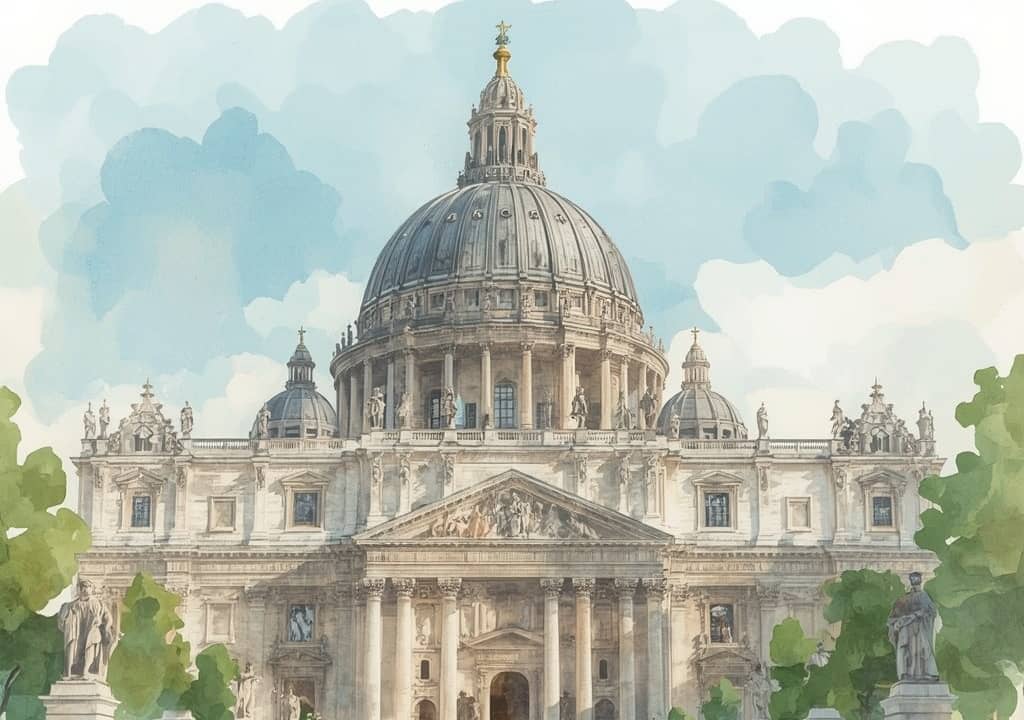
A cheerful traveler’s tale says Saint Peter’s Basilica is the ultimate place to lose your sense of size in a fun way: what looks like a small decoration might be as tall as a room, and what seems like a short walk can feel like a mini adventure.
Background
The story grows from a very real experience - people misjudge distances and dimensions because the interior is so expansive and visually rich. The repetition of big forms makes the mind underestimate the true scale.
Impact On Visitors
It encourages visitors to explore with curiosity and humor, comparing steps, distances, and details - and it turns sightseeing into a lighthearted scavenger hunt for “things bigger than they look.”
Additional Details
Many tourists share photos that capture the effect - standing near features that looked modest from far away. The shared joke becomes part of the visit: Saint Peter’s is a place where your eyes keep saying ‘small’ while your feet say ‘not so fast.’
Frequently Asked Questions
Hours vary by season and religious events, but it’s typically open daily from morning to early evening. Check the official Vatican website the day before your visit for the most current times and last entry.
Arrive at opening time (early morning) on weekdays for the shortest lines. Late afternoon can also be calmer, but allow time for security and potential early closures for ceremonies.
Entry to the Basilica is free, but you must pass airport-style security. There is a fee to climb the Dome (cupola), with options for stairs-only or elevator + stairs.
The easiest route is Metro Line A to Ottaviano - San Pietro, then a 10 - 15 minute walk to St. Peter’s Square. Several buses also stop nearby; walking from Castel Sant’Angelo via Via della Conciliazione is a classic approach.
Plan 1 - 2 hours for the Basilica itself. Add 45 - 90 minutes for the Dome climb (including lines) and extra time if you want to visit the Vatican Grottoes or linger at major artworks.
Don’t miss Michelangelo’s Pietà, Bernini’s Baldachin over the Papal Altar, the vast nave and mosaics, and the viewpoint from the Dome for panoramic views of Rome and St. Peter’s Square.
Yes, it’s enforced. Wear clothing that covers shoulders and knees; avoid very short skirts/shorts and low-cut tops. Bring a light scarf or shawl if visiting in warm weather.
Bring a valid ID, water (especially in summer), comfortable shoes, and sun protection for the square. Avoid large backpacks and sharp items; expect bag checks and limited storage.
Yes. The Dome climb includes narrow passages and many steps, especially after the elevator drop-off; it’s not ideal for those with claustrophobia, serious mobility issues, or heart/respiratory conditions. The views are a major highlight if you’re comfortable with stairs.
A guided tour helps you understand the art, history, and symbolism and can save time if it includes priority arrangements for security/timed entries where applicable. Popular nearby add-ons are the Vatican Museums & Sistine Chapel (separate entry) and Castel Sant’Angelo for a scenic walk and views.
Vatican essentials you should pair together
The perfect Tiber-side walk after St. Peter’s
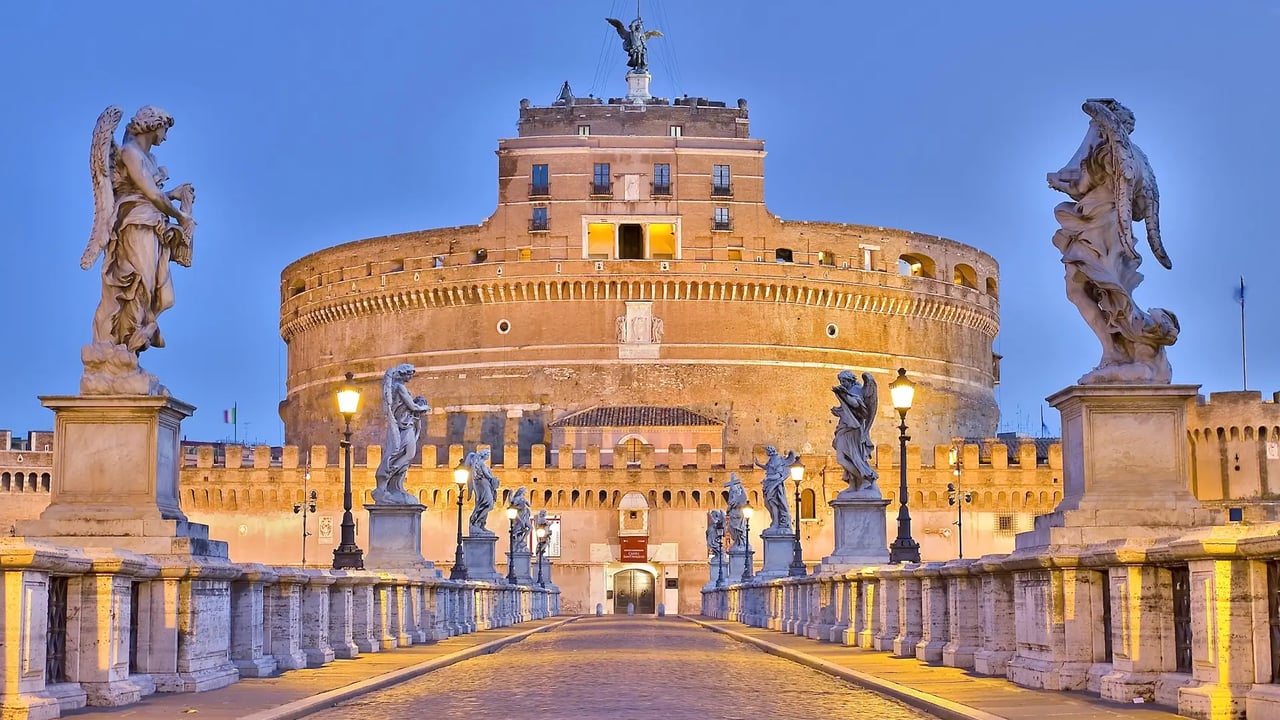
How to Visit Castel Sant'Angelo in Rome
Few monuments shift roles like this one - mausoleum, fortress, refuge. Use this article to pinpoint the entrance, check hours, choose an ideal season, and pack smart for stair climbs. You’ll also find accessibility notes, audio-guide options, myth tidbits, plus quick FAQs for smoother sightseeing.
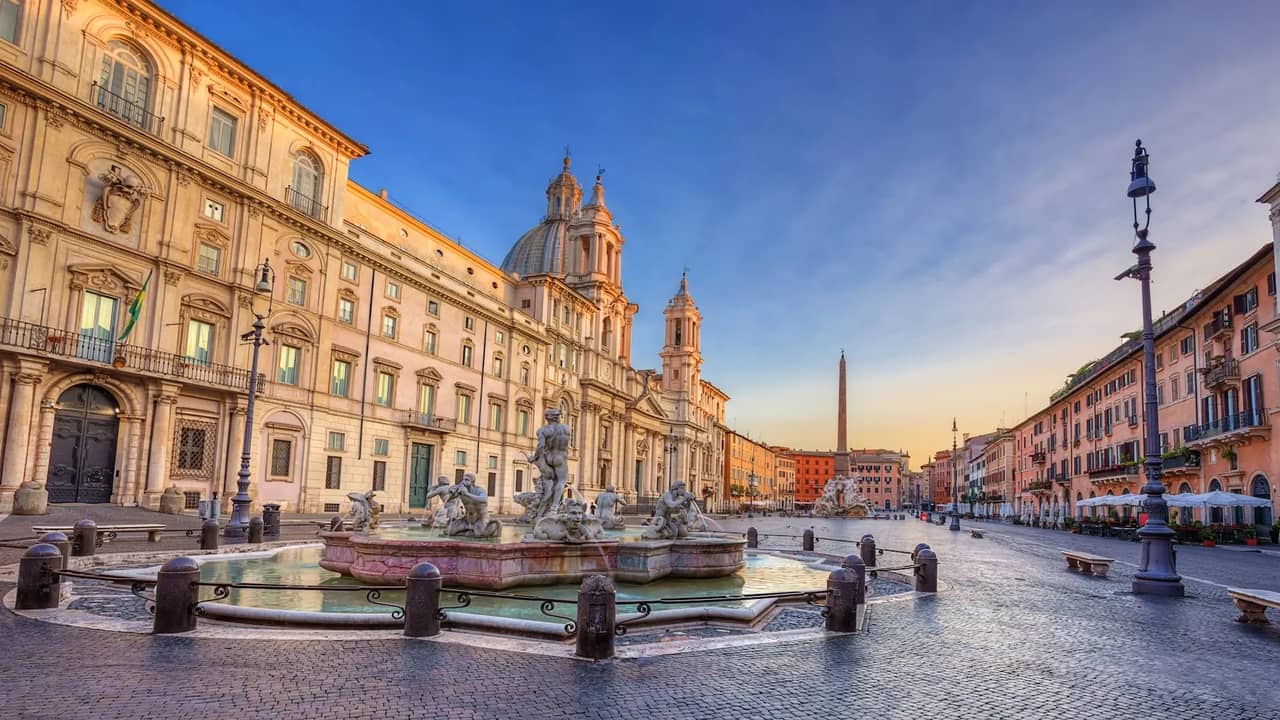
Everything You Need Before Visiting Piazza Navona
Few squares feel as theatrical after sunset as this one. Use our traveler-focused breakdown for the easiest experience: where it sits, when crowds thin out, what to pack for photos and comfort, quick myth-filled trivia, accessibility notes, and a practical FAQ to save time on arrival.
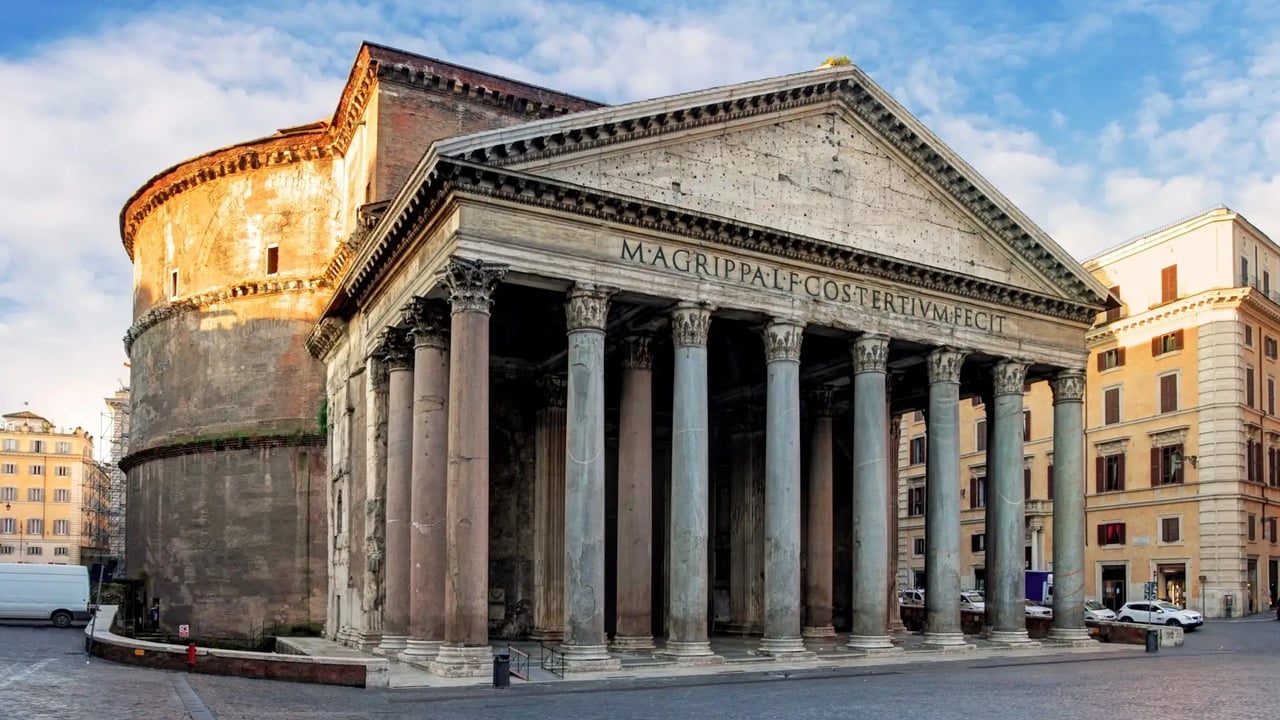
Everything You Need Before Visiting the Pantheon in Rome
One building, two millennia of wonder. This article breaks down where the Pantheon sits, current opening times, and the best hours to avoid crowds. You’ll also get a simple packing checklist, accessibility notes, and whether guided tours or audio guides are worth it, plus myths and quick FAQs.