Hours And Schedule
Closes In 3h 50m
Opening Hours
Special Hours
Important Notes
Access to the Sistine Chapel is via the Vatican Museums visitor route. Final entry is 18:00 on Mon - Sat; final entry is 12:30 on the last Sunday of the month. Visitors are required to leave the exhibition halls 30 minutes before closing time. Advance ticket reservation is strongly recommended; entry is time-slotted and security screening is required.
Visit Timing
Best Time To Go
The Sistine Chapel is indoors, so lighting/weather are less important than crowd density. Arriving at opening typically offers the quietest viewing conditions, more personal space to look up at the ceiling and frescoes, and generally shorter entry/security lines compared with late morning and midday.
Aim to be at the Vatican Museums entrance 15 - 30 minutes before the first entry time. If mornings are not possible, the next-best option is late afternoon in the last 60 - 90 minutes before closing (but note that some days may still be busy and you’ll have less time inside).
Seasonal Guide
These periods tend to have fewer tourists than peak spring/summer, making the Vatican Museums and Sistine Chapel more comfortable and less congested. Cooler outdoor temperatures also make the walk/queue and transit to/from Vatican City more pleasant.
Climate: Late fall and winter in Rome are generally cool to mild with a higher chance of rain; early spring is mild but can be changeable. Because the chapel is indoors, weather mainly affects comfort while queuing and getting around the city rather than the viewing experience.
Avoid Easter week (very high demand), summer (June - August: peak crowds and heat), and the Christmas/New Year period (holiday surges and possible schedule changes). If visiting in shoulder seasons, weekdays are typically calmer than weekends.
Peak hours
Packing Guide
By Season
Extra Tips
Tours And Guides
The Sistine Chapel is accessed within the Vatican Museums; any guiding/audio-guide service generally applies to the Vatican Museums visit as a whole. Silence is required inside the Sistine Chapel and speaking by guides is typically restricted there; guides commonly provide explanations before/after entering, and audio guides are used throughout the museum route. Pickup/collection for official audio guides is at Vatican Museums service points after entry (not inside the chapel itself).
Expert Guides
How to book Book in advance via the Vatican Museums official ticketing site (guided tour options, when offered) or via licensed tour operators/authorized guides (online). On-site availability for guided tours is limited and not reliable, especially in peak season.
Audio Tours
Available as an add-on/service for the Vatican Museums visit (the Sistine Chapel is visited as part of the Vatican Museums route). Typically obtained on-site at the Vatican Museums audio guide desk/counters after entry; in some cases it may also be selectable during online ticket purchase depending on the official system configuration at time of booking.
App Guides
Online Experiences
A free official virtual visit of the Sistine Chapel is available online via the Vatican’s official web-based virtual tour experience (panoramic/interactive). Third-party paid virtual guided experiences may also exist.
Top activities
How to Get There
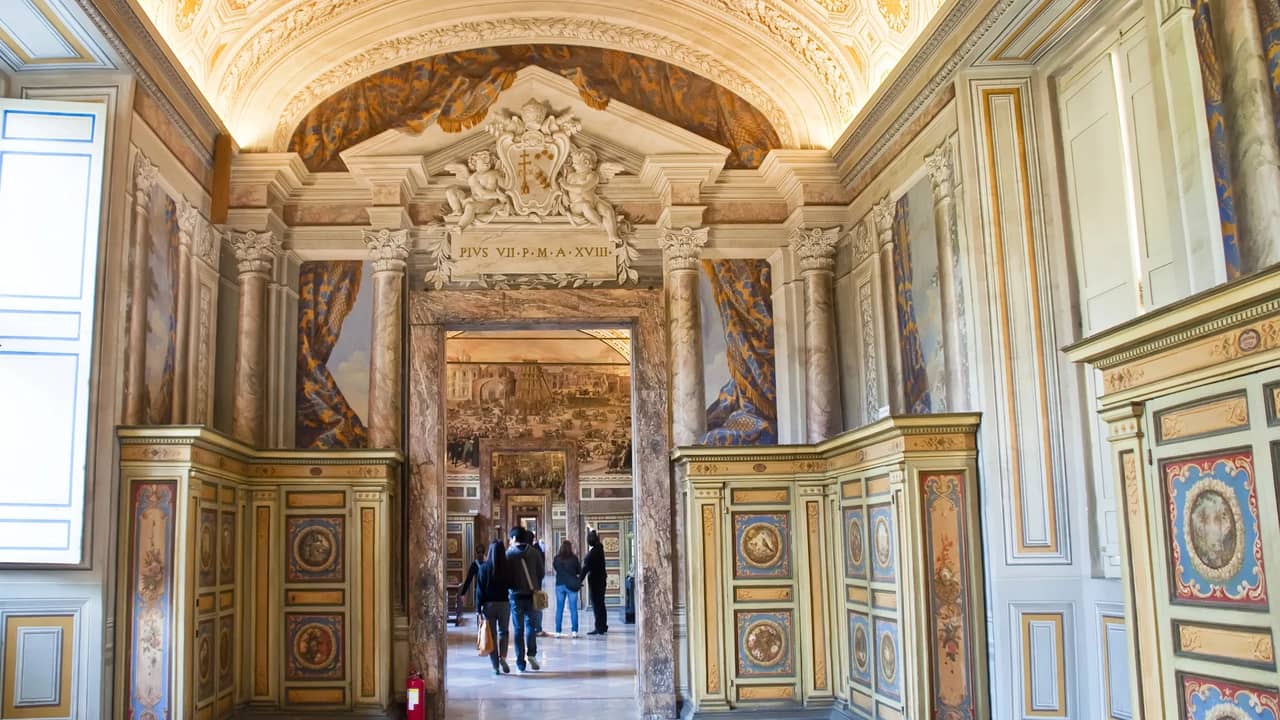
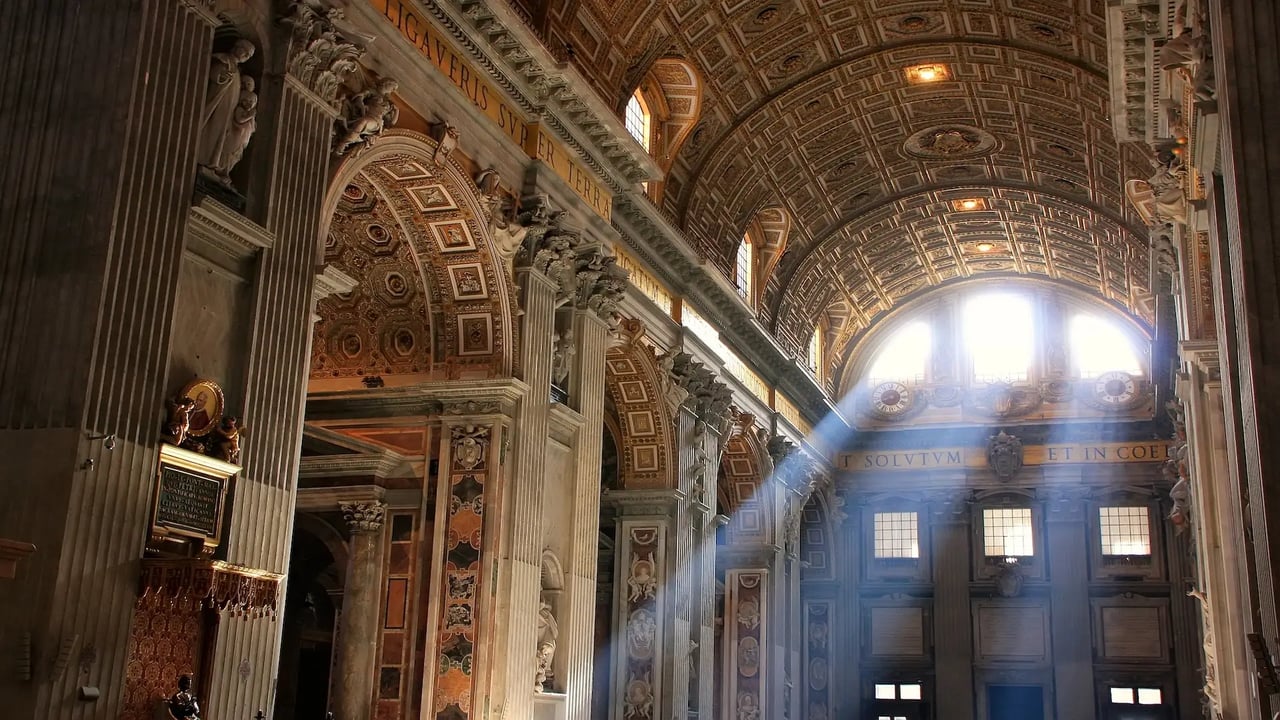
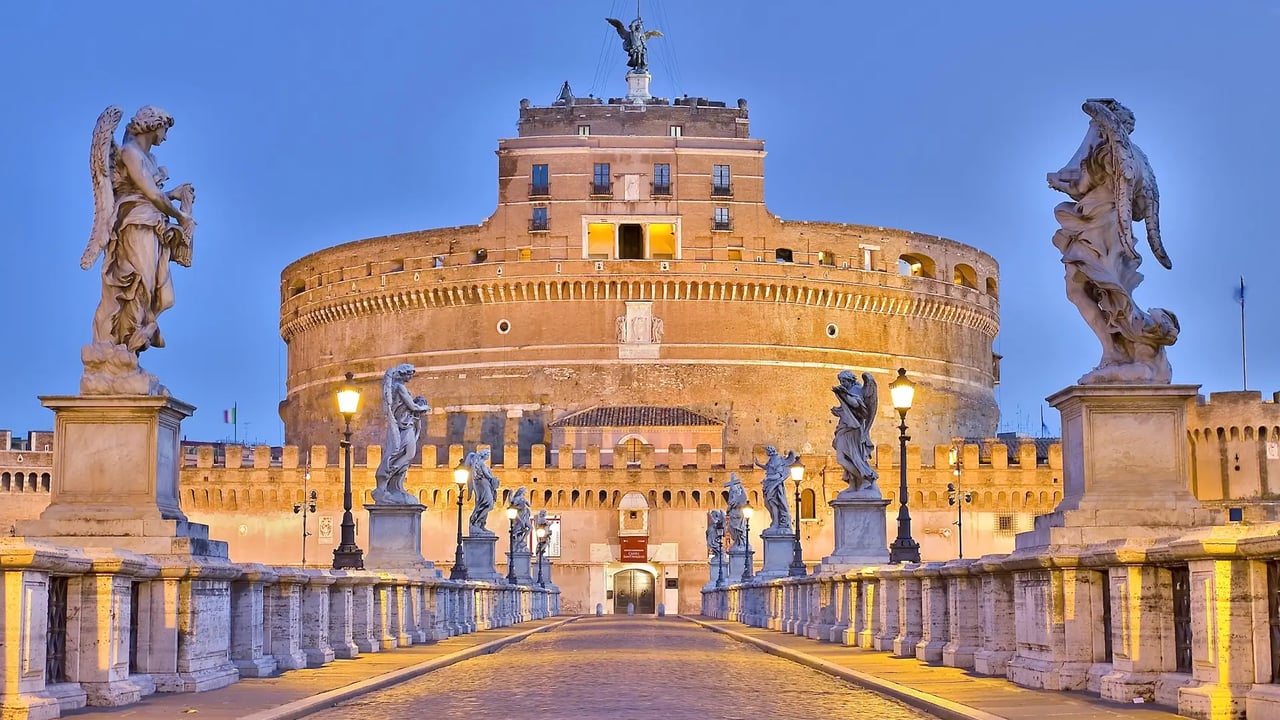
The Sistine Chapel (Cappella Sistina) is located inside Vatican City, the independent city-state enclaved within Rome. More specifically, it sits within the Vatican Museums complex (Musei Vaticani) and the Apostolic Palace, just north of St. Peter’s Basilica, in the Vatican’s main museum-and-papal residence area. District / area - Country/City: Vatican City (within the urban fabric of Rome) - Rome context: It lies on the west side of the Tiber River in the broader Vatican/Prati area; the closest well-known Roman neighborhood on the Italy side is Prati (especially around Via Cola di Rienzo and Piazza del Risorgimento), which is a common approach point for visitors heading to the Vatican Museums. Notable nearby landmarks and important places - St. Peter’s Basilica (Basilica di San Pietro): Immediately nearby and one of the most significant churches in the world. - St. Peter’s Square (Piazza San Pietro): The monumental piazza framed by Bernini’s colonnades, the main gathering space for major Vatican events. - Vatican Museums: The chapel is part of the museum route; nearby highlights include the Gallery of Maps (Galleria delle Carte Geografiche), the Raphael Rooms (Stanze di Raffaello), and the Pinacoteca Vaticana. - Castel Sant’Angelo: A short distance east along the Tiber; historically connected to the Vatican by the Passetto di Borgo (the elevated corridor used as an escape route). - Borgo district (historic approach area): The streets leading between Castel Sant’Angelo and the Vatican form a historically significant corridor of pilgrim and ceremonial movement. What makes this part of the city/region special This is the spiritual and ceremonial heart of the Catholic world, layered with centuries of religious, artistic, and political history. The area concentrates some of the highest-density, highest-impact monuments in Europe within a walkable zone - papal institutions, world-class museums, grand Baroque urban design, and Renaissance art in its original context. Why it is worth visiting The Sistine Chapel is one of the most important artistic sites on Earth, celebrated for Michelangelo’s ceiling frescoes and “The Last Judgment,” as well as its ongoing role in major Catholic events (including papal conclaves). Visiting also places you at the center of a broader, exceptional cluster of experiences - St. Peter’s Basilica, the Vatican Museums’ masterpieces, and nearby historic routes and riverfront landmarks - making the area a cornerstone stop for anyone exploring Rome’s history and culture.
Local Legends
Visitors sometimes joke that the ceiling seems to “whisper” advice: look up, take your time, and let your eyes wander. The idea is playful - people notice how quickly conversation quiets down as everyone becomes absorbed in the artwork, and it feels as if the room itself is guiding the mood.
Background
This tale grew from a common experience: as soon as groups enter, their chatter fades into a soft hush. Guides and frequent visitors turned that shared moment into a humorous story - almost like the building has a gentle personality that encourages awe and calm.
Impact On Visitors
It makes tourists smile and feel “in on” a shared ritual. Many end up speaking more softly and paying closer attention, as if responding to the chapel’s imaginary suggestion.
Additional Details
Some guides add a fun twist: the “whisper” grows stronger the longer you look up. Whether or not anyone believes it, the legend highlights how the space naturally invites quiet wonder.
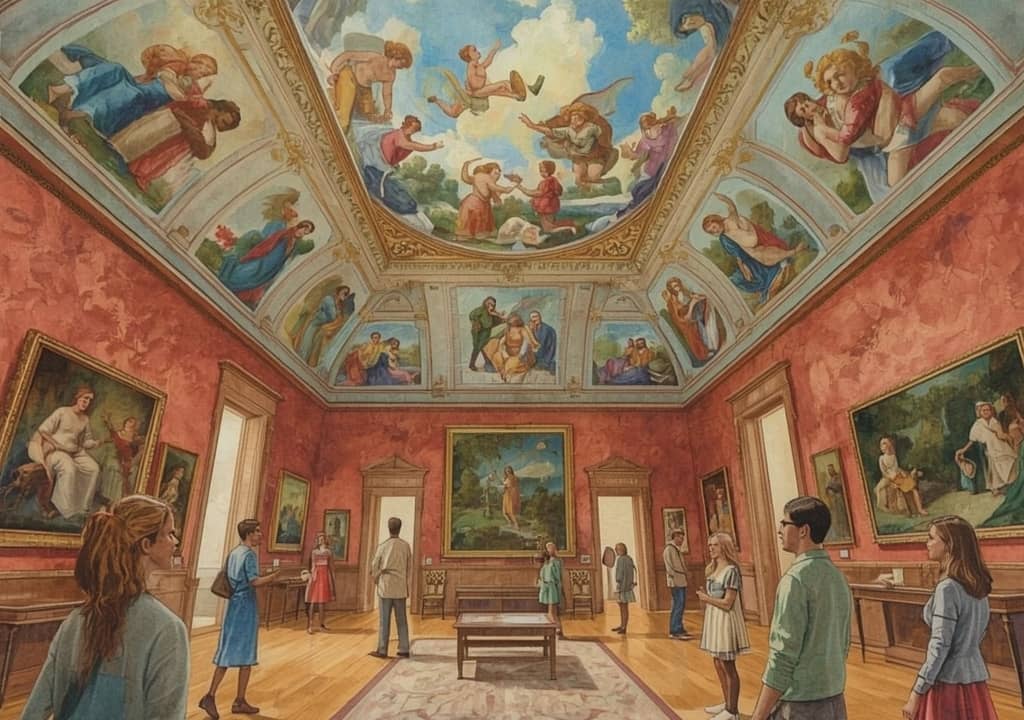
A running joke among travelers is that the Sistine Chapel offers the most beautiful “neck workout” in Rome. People tease that you can spot first-time visitors because they tilt their heads upward for so long that they start stretching and shifting like they’re in a gentle exercise class.
Background
This comes from a simple, relatable detail: the most famous art is overhead. Over generations, tourists and guides turned that reality into a lighthearted badge of honor - if your neck feels tired, it means you truly looked.
Impact On Visitors
It sets expectations in a friendly way and helps people laugh at themselves. Many visitors plan brief pauses, switch viewing angles, or take turns looking up and resting - making the experience more comfortable and memorable.
Additional Details
You’ll hear variations like “Rome’s best stretch session” or “the world’s grandest ceiling gaze.” The humor makes the visit feel approachable, even for those who worry they won’t ‘understand’ art history.
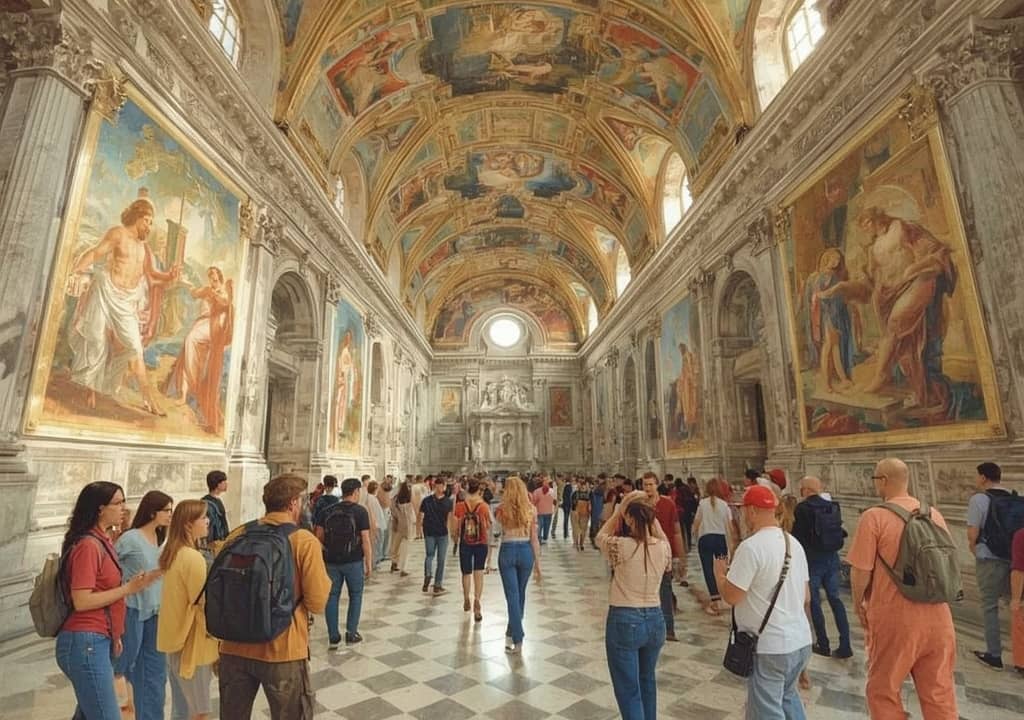
A popular, family-friendly game is to pick a tiny detail - an expressive face, a dramatic gesture, or a playful-looking character - and challenge companions to find it again. People turn the ceiling into a friendly scavenger hunt, laughing at how quickly they lose track of the same spot once they look away.
Background
Because the artwork is vast and richly detailed, groups began inventing small challenges to stay engaged, especially for kids. Over time it became a common tip passed from one traveler to another, almost like an ‘unofficial’ chapel activity (done quietly and respectfully).
Impact On Visitors
It encourages careful looking and repeat glances, which often leads to noticing new details. The shared challenge adds a light, social layer to a setting that can otherwise feel overwhelming.
Additional Details
Some guides suggest choosing a color, a posture, or a single expressive face as your “anchor point.” The fun lies in realizing that the ceiling is so complex that everyone ends up with a different favorite detail.

A long-running rumor says artists tucked playful personal “signatures” into tiny details - little visual jokes, clever patterns, or subtle nods to everyday life. Whether or not any specific claim is provable, the idea invites people to look for personality behind the grandeur.
Background
Across many historic monuments, visitors love the notion of hidden messages. With the Sistine Chapel’s dense imagery, it’s easy for the imagination to spark: a small shape becomes a wink, a repeated motif becomes a clue, and suddenly the ceiling feels like a puzzle box.
Impact On Visitors
It turns careful observation into a playful mission and makes the masterpiece feel human-scaled - created by people with humor and creativity, not just distant genius. Visitors often leave with their own “I think I spotted one!” story.
Additional Details
Even when guides clarify that many “hidden” claims are speculative, they often encourage a positive takeaway: look closely. The rumor’s real value is how it makes people slow down and enjoy the details with curiosity.
Frequently Asked Questions
The Sistine Chapel is a papal chapel in Vatican City, best known for Michelangelo’s ceiling frescoes (including The Creation of Adam) and The Last Judgment on the altar wall. It’s also where papal conclaves (elections of a pope) take place.
It’s inside the Vatican Museums in Vatican City (next to Rome). Entry is through the Vatican Museums entrance; you reach the chapel near the end of the museum route.
Go early (right at opening) or late afternoon on weekdays. Tuesdays and Thursdays are often slightly calmer than weekends. Peak crowds are common mid-morning and during summer and major holidays.
Yes. Reserve Vatican Museums tickets online in advance to secure a time slot and reduce waiting. Same-day tickets can sell out or involve very long lines.
Follow the Vatican Museums one-way route directly toward the Sistine Chapel, limiting stops if time is tight. If your goal is the chapel, avoid lingering in early galleries and save time for the Raphael Rooms and the Sistine Chapel near the end.
Plan 2 - 3 hours for a focused visit, 3 - 5 hours if you want a broader museum experience. The Sistine Chapel itself is usually 15 - 30 minutes, depending on crowd levels.
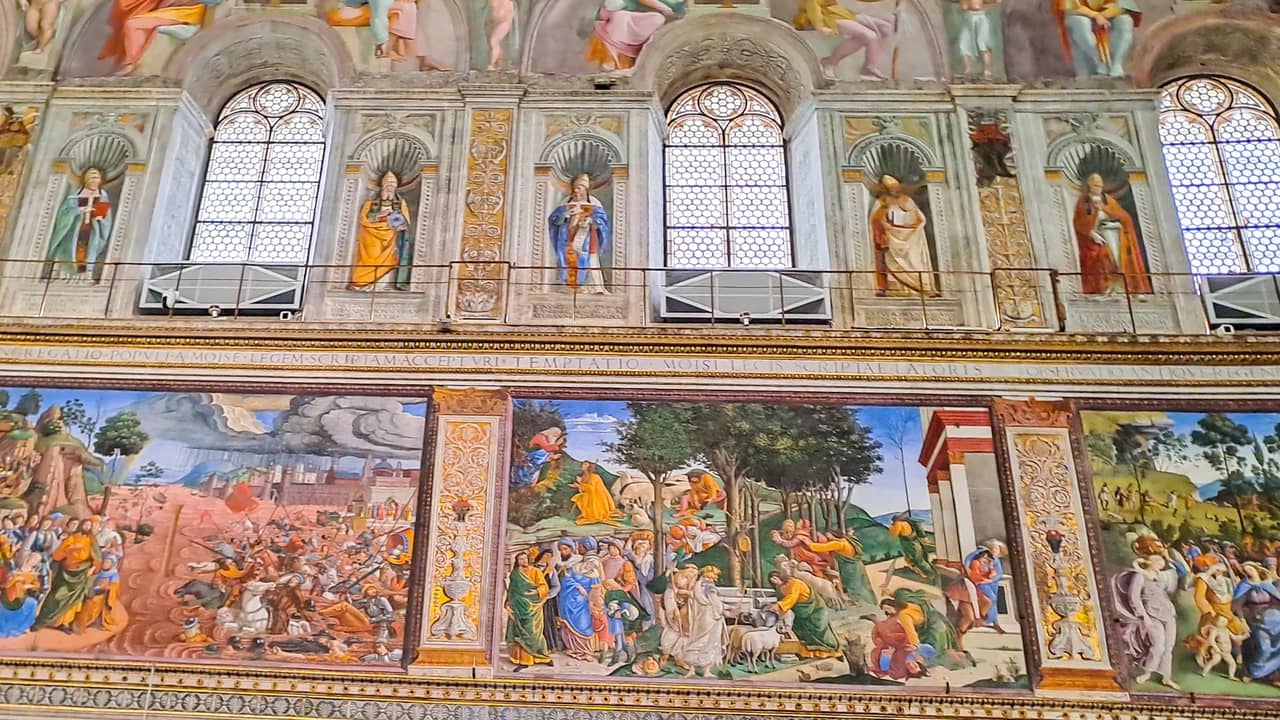
Michelangelo’s ceiling (notably The Creation of Adam), The Last Judgment behind the altar, and the side wall frescoes by Renaissance masters depicting scenes from the lives of Moses and Christ.
Silence is enforced and staff may ask visitors to be quiet. Photography is generally not allowed in the Sistine Chapel. Dress modestly: cover shoulders and knees to avoid being denied entry.
Bring a valid ID (if required for your ticket), comfortable walking shoes, a refillable water bottle (use where permitted), and a light layer. Avoid large bags - expect security checks and possible bag restrictions; a small daypack is best.
Accessibility services and step-free routes exist in parts of the Vatican Museums, but routes can be complex. Check the Vatican Museums accessibility information in advance and allow extra time; staff can direct you to elevators and accessible paths.