Visit Timing
Best Time To Go
These periods offer the best balance of comfort, atmosphere, and lower crowd density. Early morning is coolest and quietest for photos and a relaxed walk; evening brings flattering golden/blue-hour light, a lively Roman ambiance, and typically fewer tour groups than midday.
For the calmest experience, aim for sunrise to ~08:30 (especially on weekdays). For scenic light, target golden hour: roughly the last 60 - 90 minutes before sunset and the 20 - 40 minutes after (blue hour). Midday can feel congested and hot in warm months, with harsher light for photography.
Seasonal Guide
Spring and early autumn generally provide the most comfortable temperatures for sitting/standing around the steps and walking nearby streets, with softer light and fewer extreme-weather days than midsummer. These shoulder seasons also tend to be slightly less crowded than peak summer, while still offering a vibrant city feel.
Climate: Spring: mild to warm days, cooler mornings/evenings; occasional rain showers. Early autumn: warm days, cooler nights; generally stable weather with some rain later in the season. Summer (June - August): hot, bright, and crowded; Winter (Dec - Feb): cooler, shorter days, and fewer crowds but higher chance of chilly/wet conditions.
Scenic highlights: April - May often feels especially photogenic due to fresh seasonal color and clearer, softer light. If you visit in winter, go late morning to early afternoon for the warmest temperatures and brighter conditions.
Peak hours
Packing Guide
By Season
Extra Tips
Tours And Guides
The Spanish Steps are a free, open public monument with no controlled entrance, ticket office, or official on-site visitor center; therefore dedicated on-site audio-guide rentals are generally not offered specifically for the steps. Visitors typically use (1) booked walking tours with licensed guides that include the site, or (2) self-guided mobile-app audio tours covering the surrounding historic center (Piazza di Spagna, Trinità dei Monti, nearby streets and viewpoints).
Expert Guides
How to book Book through tour operators’ websites/apps (e.g., major OTA platforms and local Rome guide services) offering “Rome walking tour / city highlights / Baroque Rome / Piazza di Spagna & Trevi” itineraries that include the Spanish Steps. Meeting points are usually near Piazza di Spagna/Spanish Steps or at a nearby central landmark specified on the voucher.
App Guides
Online Experiences
Virtual/remote experiences exist via online tour platforms and video/streaming providers (live or recorded) that cover the Spanish Steps as part of Rome city-center itineraries. Availability and pricing vary by provider; access is online via the provider’s website.
Top activities
How to Get There
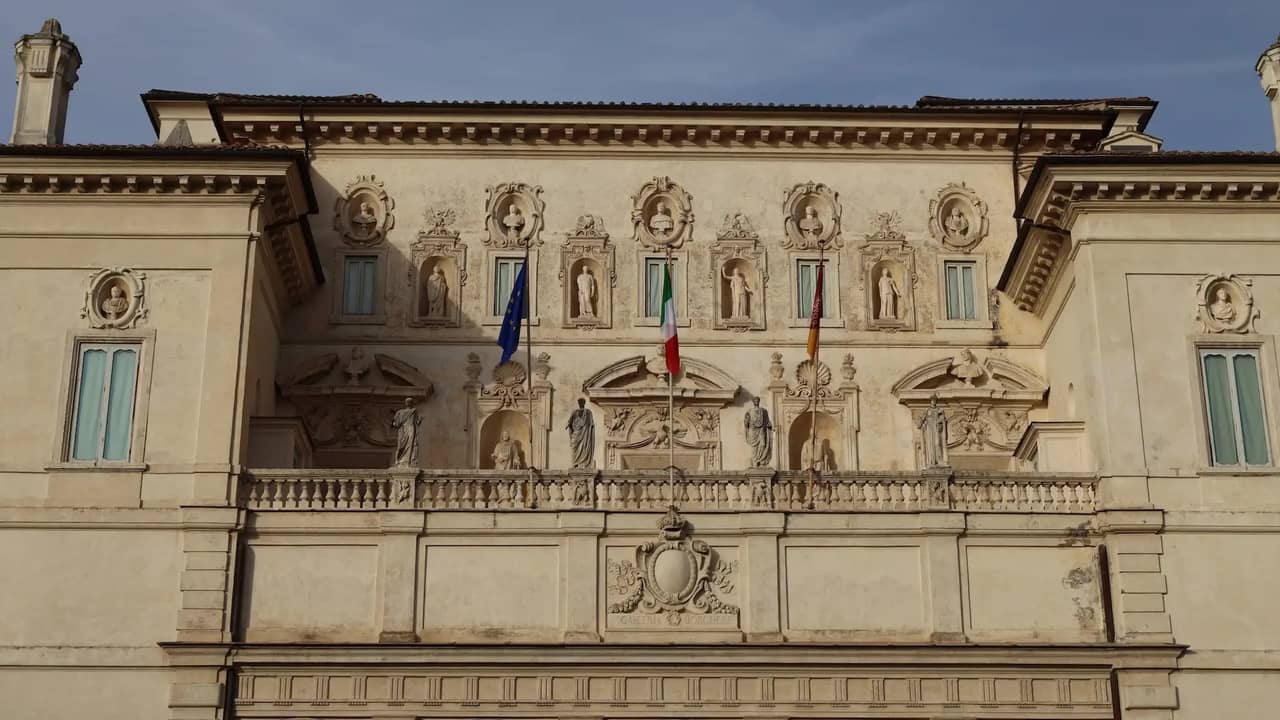
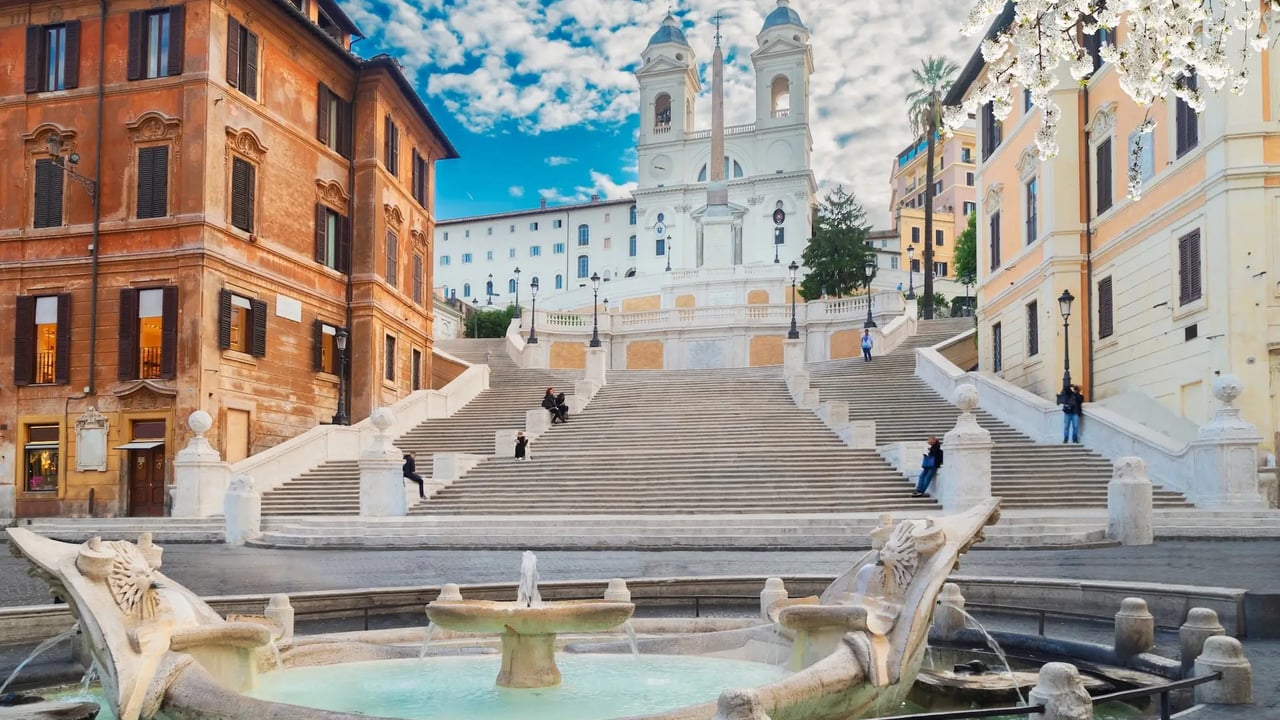
The Spanish Steps (Scalinata di Trinità dei Monti) are located in central Rome, in the historic district (rione) of Campo Marzio, at the base of the Pincian Hill. They link Piazza di Spagna - one of Rome’s most famous squares - to the church of Trinità dei Monti at the top of the staircase. Nearby landmarks and important places include the Fontana della Barcaccia (the “Boat Fountain”) by Pietro and Gian Lorenzo Bernini at the foot of the steps; Via dei Condotti, Rome’s iconic luxury shopping street leading toward the city center; Villa Borghese and the Pincio Gardens just uphill (with panoramic viewpoints over Rome); and, within an easy walk, Piazza del Popolo (a grand northern gateway square) and the Trevi Fountain. The area is also close to major cultural institutions and historic streets in the wider Centro Storico. This part of Rome is special because it concentrates many of the city’s classic elements - Baroque urban design, elegant piazzas, historic churches, and fashionable streets - within a compact, highly walkable setting. It’s worth visiting for the dramatic architecture and views from the steps, the lively atmosphere of Piazza di Spagna, excellent people-watching and photography opportunities, and the convenient access to both high-end shopping and nearby green spaces like Villa Borghese.
Local Legends
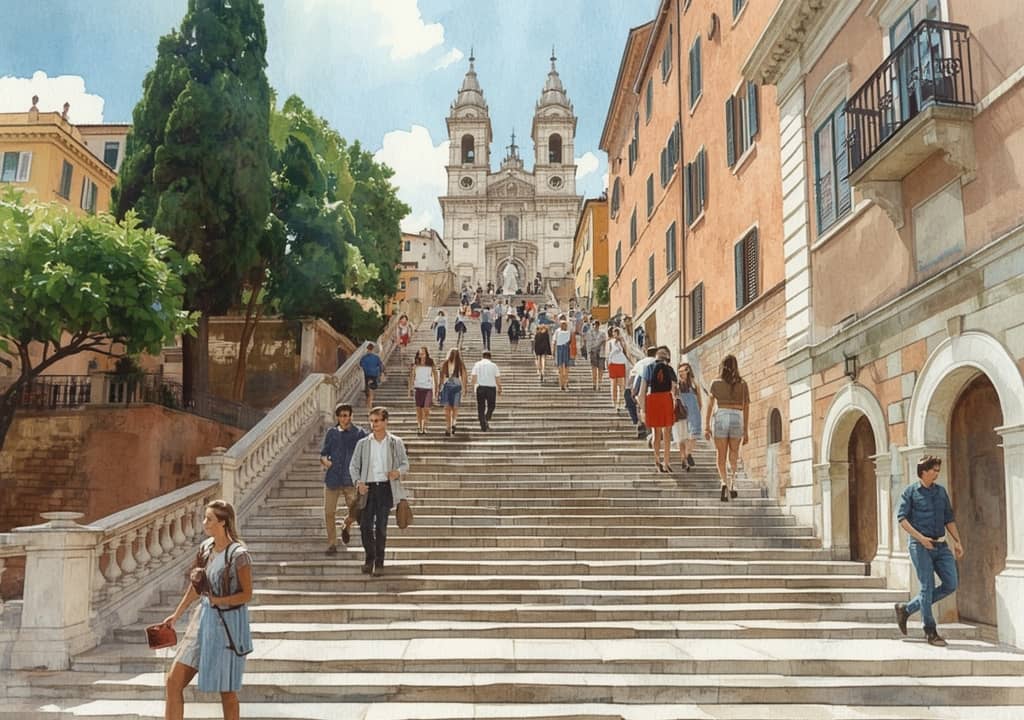
A popular playful tale says the Spanish Steps seem to add “just a few more” steps whenever you decide you’re almost at the top. Visitors joke that the staircase has a special trick: it feels shorter when you look up from the bottom, and longer when you start climbing with confidence.
Background
This story grew from the Steps’ clever design and gentle curves. Because the staircase changes direction and widens in places, your sense of distance shifts as you move, making it easy to underestimate the climb.
Impact On Visitors
Tourists turn the climb into a game - counting steps, making friendly bets, or taking “progress photos” at each terrace. It adds a lighthearted sense of adventure and makes the top feel extra rewarding.
Additional Details
Locals often recommend pausing on the landings not just to rest, but to notice how the view reshapes with each turn - almost like the city is revealing itself in chapters.
At the base of the Steps sits the Fontana della Barcaccia, shaped like a small boat. A cheerful rumor says the boat is “parked” there to offer a symbolic ride for daydreamers - no ticket needed, just imagination.
Background
The fountain’s unusual boat shape inspires easy storytelling. Rome is full of fountains with personality, and the Barcaccia invites visitors to invent their own explanations for why a boat appears far from the sea.
Impact On Visitors
Families and couples often treat it as a “storybook prop,” posing as captains, pointing out details, and creating funny captions for photos. It helps make the whole plaza feel like an open-air stage set.
Additional Details
The boat-like design is also a fun contrast to the grand staircase above, as if the city is winking at you: monumental architecture paired with a whimsical everyday object.
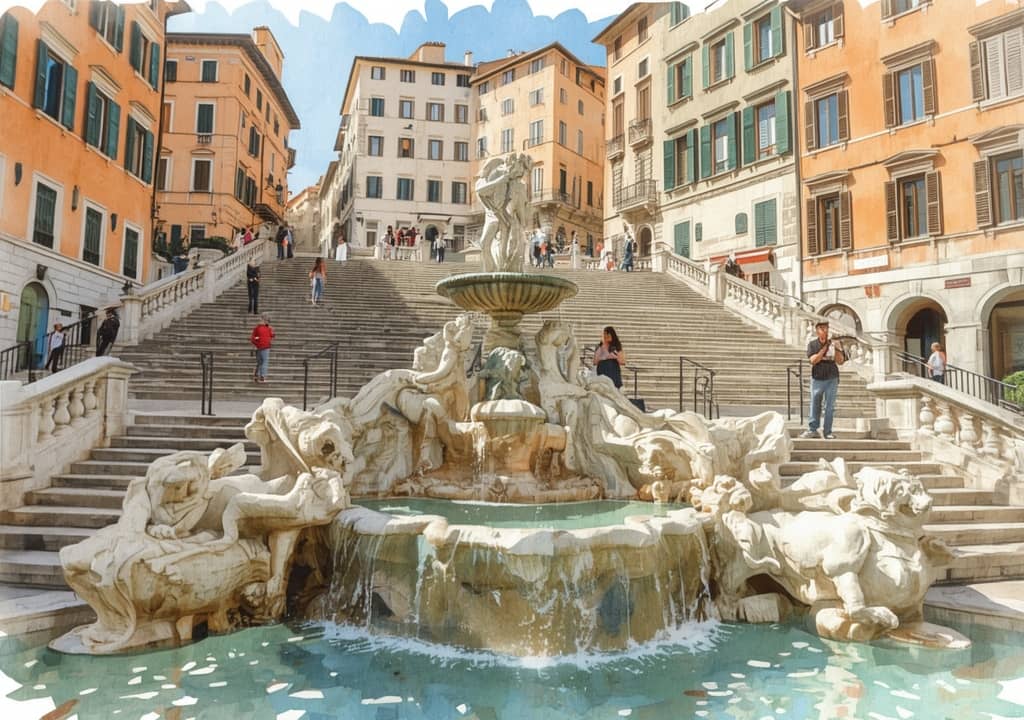
A light local tale claims that if you share a cheerful wish on one of the terraces, the Steps quietly “carry it upward,” so by the time you reach the top your mood improves as well. It’s less about magic and more about the atmosphere - yet people love repeating the idea.
Background
The Steps’ layout creates natural gathering spots where conversations, music, and street-life blend. Over time, visitors turned that pleasant soundscape into a friendly superstition about good vibes traveling up the staircase.
Impact On Visitors
It encourages travelers to slow down, speak softly, and enjoy the moment. Many people do a small “wish walk,” sharing something positive at the bottom and checking in with themselves at the top.
Additional Details
This story pairs nicely with the sunset visit: warm light, lively piazza energy, and the sense that the city’s soundtrack is part of the experience.
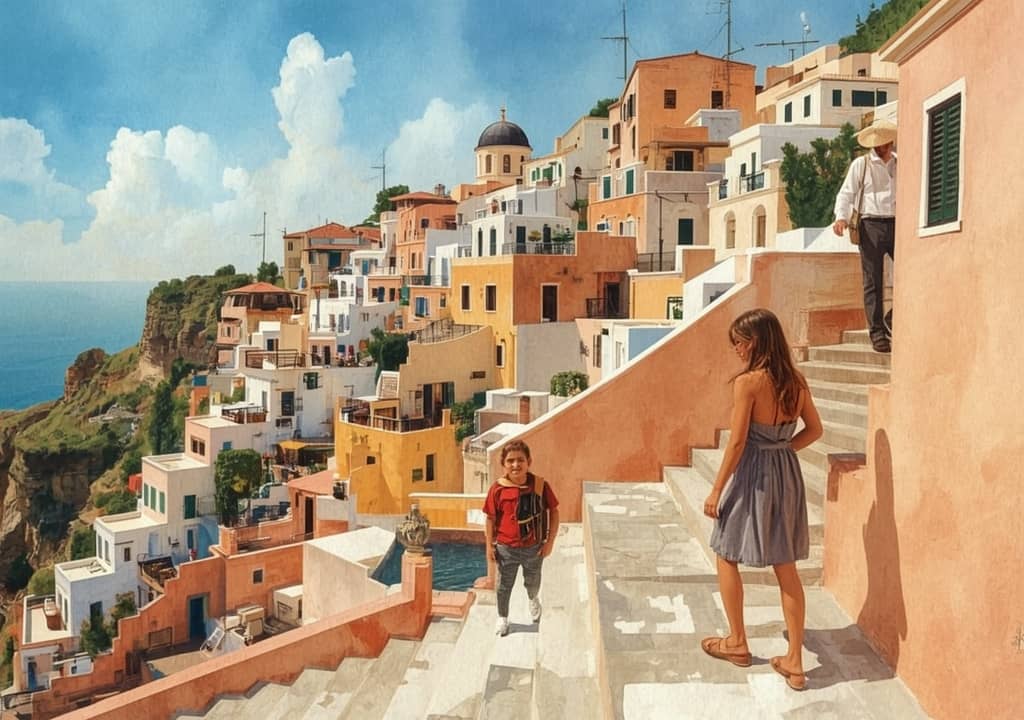
A cheerful modern joke says the Spanish Steps are Rome’s most famous “runway,” where everyone becomes a style icon for a few minutes - even if they’re just wearing comfortable travel clothes and carrying a gelato.
Background
The Steps have long been associated with fashion, films, and people-watching. Over time, that reputation turned into a friendly, self-aware tradition: visitors treat the climb like a playful mini parade.
Impact On Visitors
It invites relaxed confidence - people smile, pose, and enjoy the shared fun of the place without taking it too seriously. It also makes the Steps feel like a social crossroads where everyone belongs.
Additional Details
The best part is how inclusive the “runway” joke is: the real charm is the variety - different languages, outfits, and travel stories all meeting on the same staircase.
Frequently Asked Questions
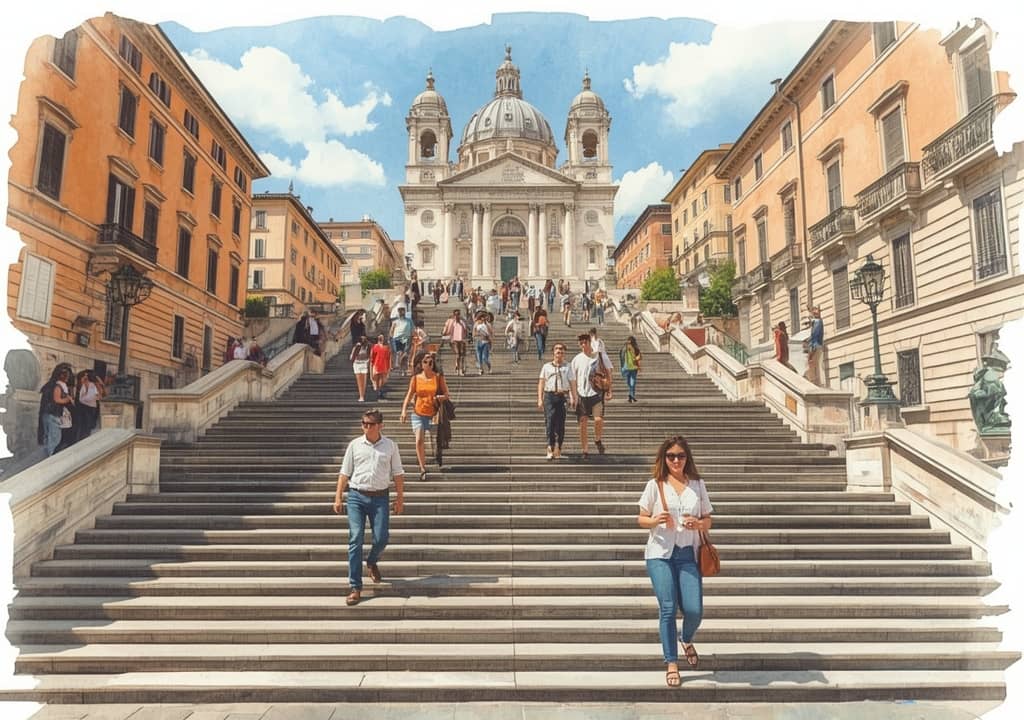
The Spanish Steps (Scalinata di Trinità dei Monti) are an 18th-century staircase with 135 steps connecting Piazza di Spagna to the Trinità dei Monti church; they’re famous for their architecture, views, and central location in Rome.
Go early morning (around 7 - 9 am) for fewer crowds and good photos; visit at sunset/early evening for atmosphere and city views, but expect it to be busy.
Spring (April - May) and early fall (September - October) offer pleasant weather; summer is very crowded and hot, while winter is quieter but cooler and sometimes rainy.
Take Metro Line A to “Spagna” station (the closest). Several buses also stop nearby on/around Via del Corso and Piazza di Spagna.
Popular routes: (1) Trevi Fountain → Spanish Steps (about 10 - 15 minutes on foot). (2) Spanish Steps → Villa Borghese/Pincio Terrace (scenic uphill walk). (3) Spanish Steps → Via Condotti → Via del Corso → Piazza del Popolo (classic shopping and sightseeing route).
Don’t miss the Fontana della Barcaccia at the bottom, Via dei Condotti for shopping, Trinità dei Monti church at the top, and views toward Rome from the upper terraces; Piazza di Spagna is a great people-watching spot.
The Spanish Steps are outdoors, free, and accessible 24/7; nearby sites (like the church) may have their own visiting hours.
Sitting on the steps is generally not allowed and may result in a fine; use nearby areas and benches (e.g., around Piazza di Spagna or in Villa Borghese) for breaks.
Wear comfortable walking shoes (the steps and surrounding streets are uneven), bring water in warm months, sun protection in summer, and a light rain jacket/umbrella in cooler seasons.
The staircase itself is not step-free, but you can reach the top area via nearby streets; there is also a metro station close by, though elevators and step-free access can vary - check current accessibility status before you go.
Iconic Rome photo spots near the Spanish Steps
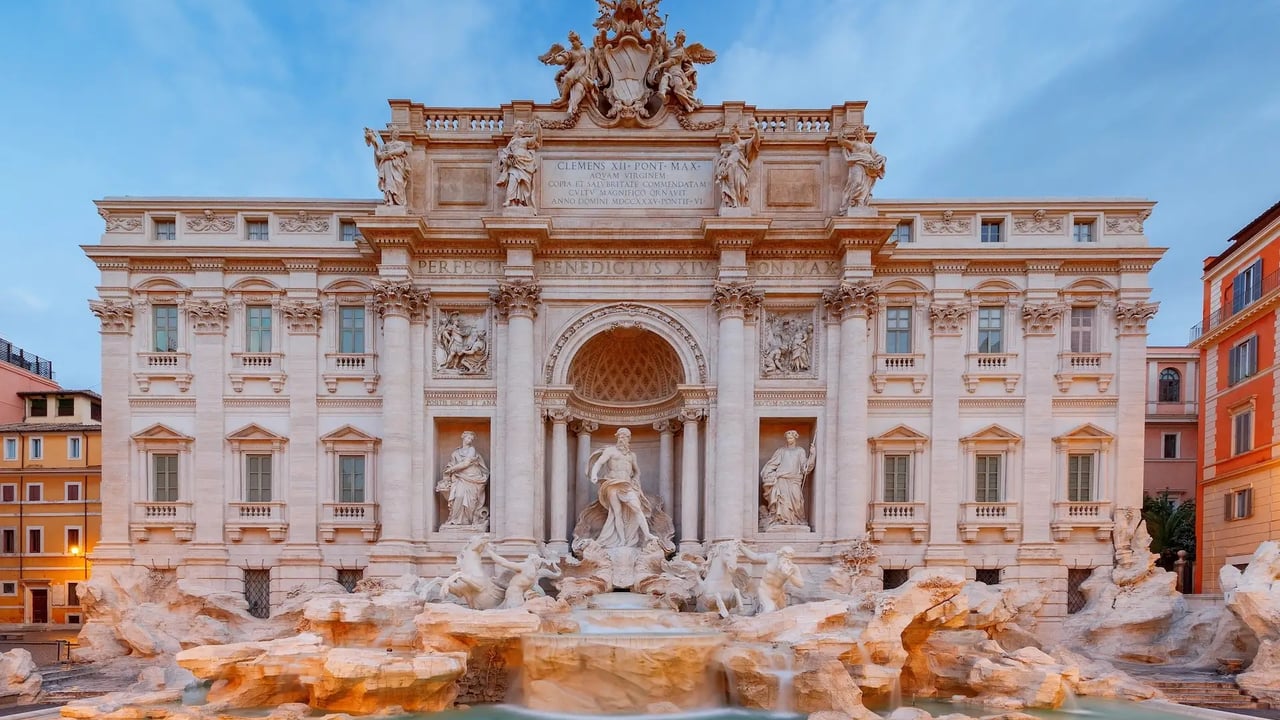
Everything You Need Before Visiting Trevi Fountain
It’s more than a backdrop - it’s a ritual. Learn where to stand for clearer shots, when to arrive for calmer moments, and what small essentials help in the splash zone. You’ll also find quick accessibility notes plus pointers on finding on-site guidance or a self-paced audio tour.
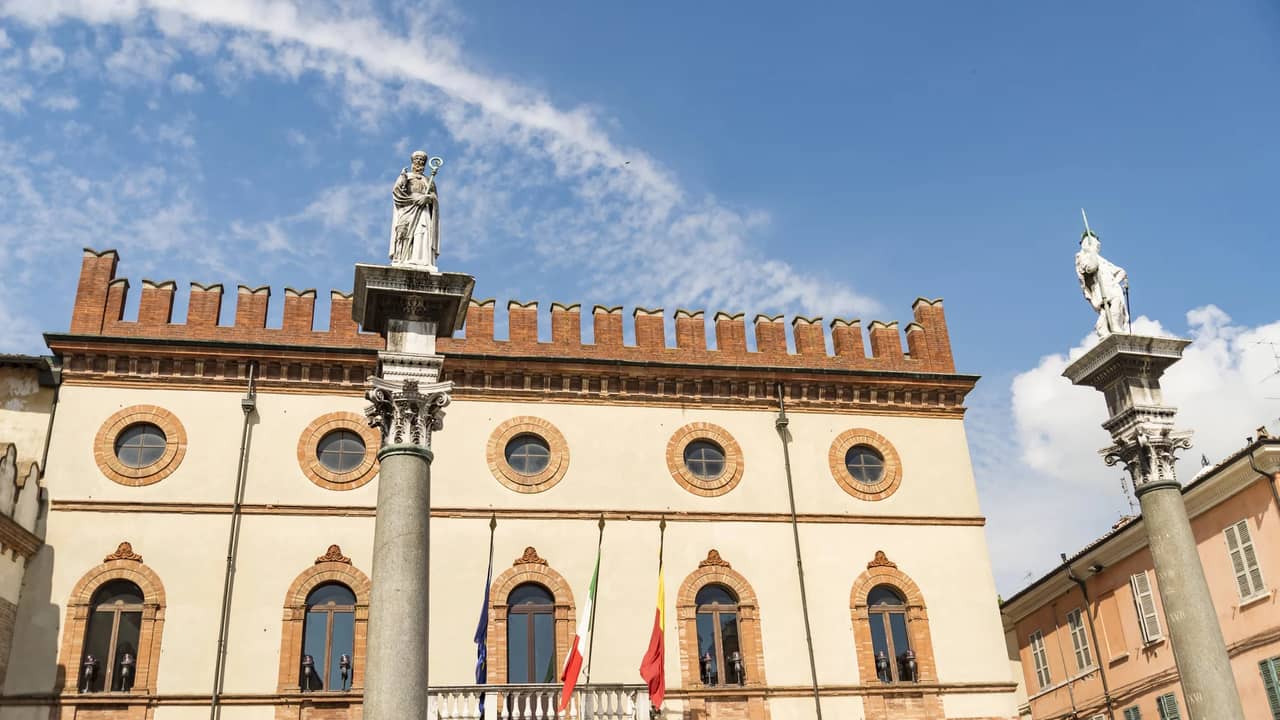
Everything You Need Before Visiting Piazza del Popolo
One square, countless stories. Use this traveler-focused rundown to choose the right season and time slot, navigate the entry points from nearby metro stops, and know what to bring for photos and comfort. You’ll also find local legends, accessibility pointers, quick ratings, and FAQs to avoid on-site guesswork.
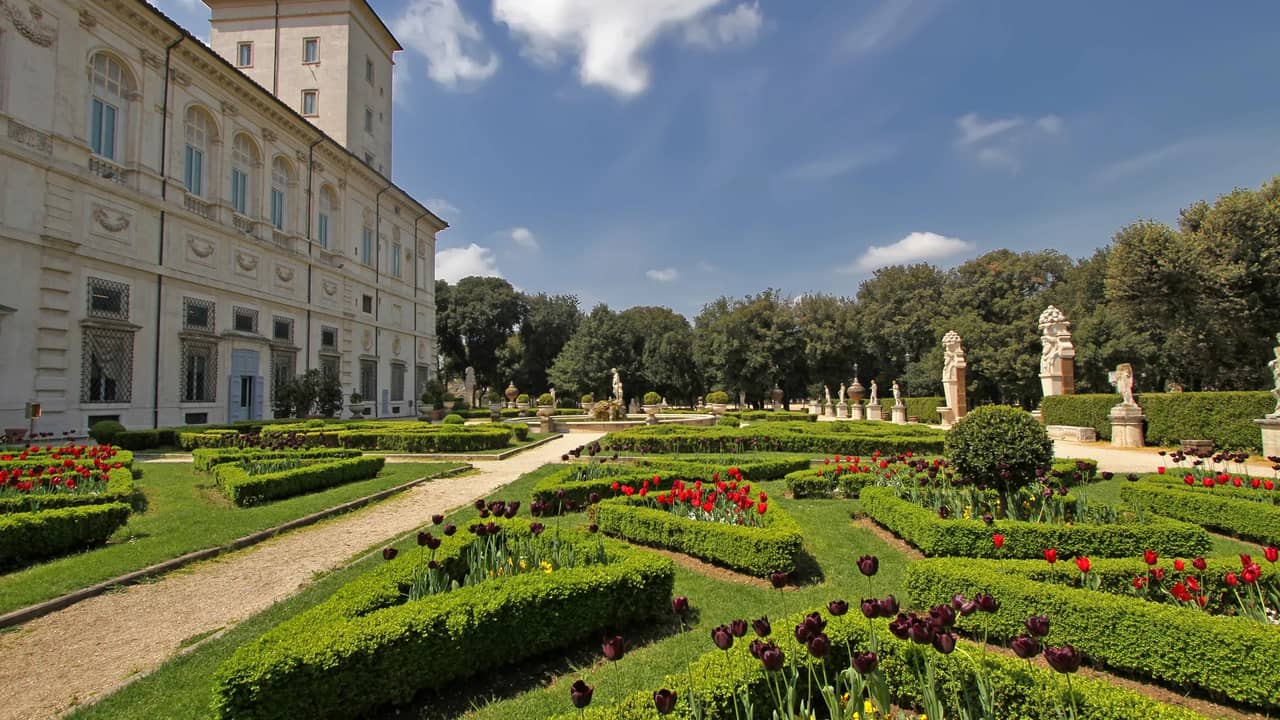
Everything You Need Before Visiting Villa Borghese
Need a breather from busy streets? This park delivers shade, viewpoints, and easy wanders. Learn where entrances are, opening hours, the best season and time of day, plus what to pack. Find accessibility notes, audio-guide options, quirky legends, and quick FAQs to smooth your outing.