Visit Timing
Best Time To Go
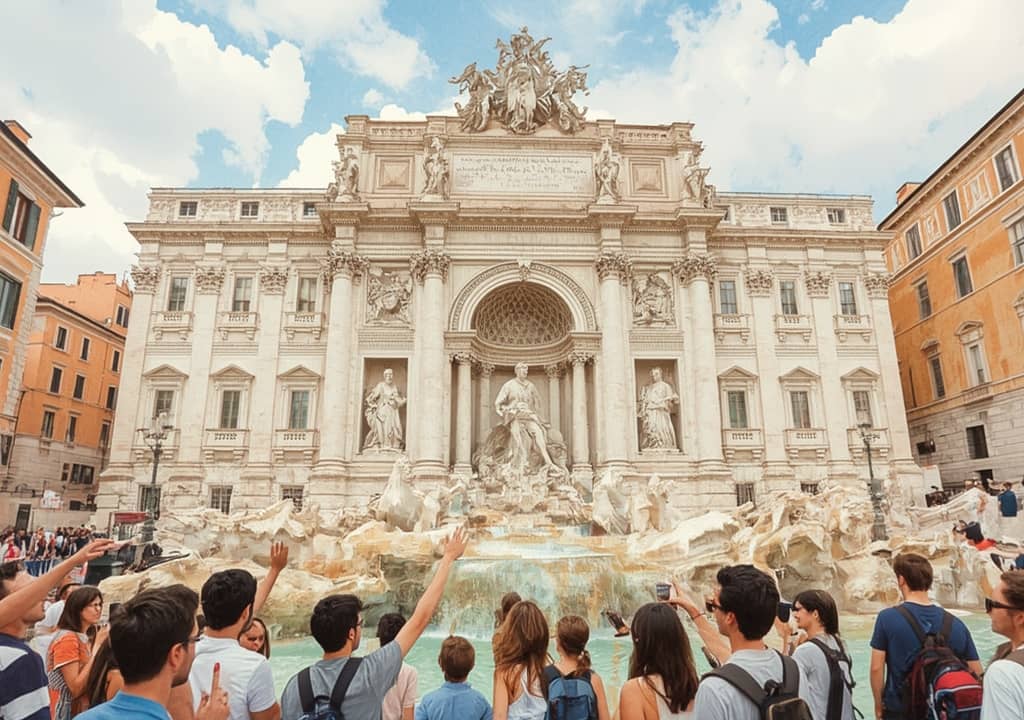
Trevi Fountain is one of Rome’s busiest sights; visiting early morning or late at night offers the best chance for comfortable viewing, clearer photos with fewer people, and less time spent navigating dense crowds.
Early morning provides softer light and calmer surroundings as the city wakes up; late evening/night is scenic because the fountain is illuminated and the atmosphere is more romantic, with noticeably fewer tour groups. Midday and early evening tend to be the most congested and least comfortable (heat in warm months + heavy foot traffic).
Seasonal Guide
Spring and fall generally balance comfortable temperatures with strong daylight for photography, while avoiding the most intense summer heat and the peak concentration of visitors typical of June - August.
Climate: Spring/Fall: mild to warm days and cooler evenings; occasional rain is possible. Summer: hot, high UV, often crowded. Winter: cooler and sometimes rainy, but crowds can be lighter and evening visits can feel brisk rather than hot.
For a quieter experience, consider winter (November - February) outside major holidays - crowds can be noticeably reduced, though you may encounter rain and shorter daylight hours. If you visit in summer, prioritize very early morning or late night to avoid heat and peak congestion.
Peak hours
Packing Guide
By Season
Extra Tips
Tours And Guides
Trevi Fountain is in a public square with no ticketed entrance; consequently, dedicated on-site audio-guide rental desks are generally not offered specifically for the fountain. Visitors typically use (1) a professional guide as part of a Rome walking tour that includes Trevi Fountain, or (2) self-guided mobile apps/audio tours. Because of crowding, guided tours often use headsets/whisper systems (provided by the tour operator) for audibility.
Expert Guides
How to book Commonly booked online via licensed tour operators and marketplaces (e.g., operator websites or major booking platforms). Guides usually meet at a pre-arranged nearby meeting point (because the fountain area is crowded and has limited space). On-the-spot hiring may be possible in central Rome but is not reliably available specifically at the fountain.
App Guides
Online Experiences
Third-party virtual tours and video/360 experiences of Trevi Fountain are available online (commonly as Rome virtual walking tours or recorded/hosted experiences). Availability, language, and pricing vary by provider; some are free (e.g., video/360 content), while hosted/interactive online tours are usually paid.
Top activities
How to Get There
Trevi Fountain (Fontana di Trevi) is located in the historic center of Rome, in the Trevi rione (district) of Municipio I (Centro Storico), at Piazza di Trevi. It sits against the façade of Palazzo Poli, a short walk northeast of Piazza Venezia and the Capitoline area. Notable places nearby include the Spanish Steps (Piazza di Spagna) and Via dei Condotti shopping streets to the east, the Pantheon and Piazza Navona to the southwest, and the Quirinal Palace (Palazzo del Quirinale) to the north. It is also close to Via del Corso, one of central Rome’s main arteries, making it easy to reach on foot while exploring the city center. This part of Rome is special because it concentrates layers of Roman history - ancient, Renaissance, Baroque, and modern - within a compact, walkable area of narrow streets and grand piazzas. The Trevi Fountain itself is one of the world’s most famous Baroque monuments, celebrated for its dramatic sculpture and the sound and spectacle of moving water in the middle of the city. Visiting is worthwhile not only for the fountain’s artistry and atmosphere (especially in early morning or evening light), but also because it places you within easy walking distance of many of Rome’s essential sights, cafés, gelaterias, and classic streetscape views.
Local Legends
A cheerful tradition says that tossing a coin into the Trevi Fountain helps ensure a return trip to Rome. Visitors often turn their back to the fountain and toss the coin over a shoulder, turning the moment into a playful mini-ritual: a wish, a laugh, and a splash all in one.
Background
The custom grew from older European fountain-wishing habits and became widely popular in modern times as Rome’s travel culture expanded. Over time, the Trevi Fountain became the place where this idea felt most "official," helped along by stories, postcards, and word-of-mouth among travelers.
Impact On Visitors
It turns a quick sightseeing stop into an interactive experience. Many visitors feel like they’re taking part in a shared Rome tradition, and it often becomes a highlight photo or family memory tied to a hopeful promise: “We’ll be back.”
Additional Details
Local etiquette adds to the fun: people often wait their turn, copy the shoulder-toss technique they’ve heard about, and compare which shoulder is “right.” The fountain’s coin tradition is also famous because the collected coins are used for community support, which adds a feel-good layer to the wish.

A lighthearted rumor suggests that different numbers of coins unlock different outcomes - most famously, one coin for a return to Rome, two for a romance, and three for a big life change. Many visitors treat it like a whimsical menu of wishes and giggle while negotiating how bold to be.
Background
This “wish menu” is a modern spin on the basic wishing-fountain idea, strengthened by travel storytelling and popular culture. It spread because it’s easy to remember, easy to share, and fun to act out in a group.
Impact On Visitors
It encourages visitors to invent personal “rules,” tease friends about their choices, and make the moment more social. Even skeptical travelers often join in because it feels like a harmless, joyful tradition.
Additional Details
Families sometimes turn it into a game: younger travelers pick the number of coins with the most exciting “quest,” while adults pick the most practical wish. Guides and locals may share variations, which makes it feel like a living tradition rather than a fixed rule.

The fountain’s water comes from an ancient aqueduct called Aqua Virgo. One charming story says a young guide pointed out a spring to thirsty travelers, and the aqueduct later carried that helpful water to the city. The name “Virgo” is often explained in tour-friendly terms as “the pure or fresh source,” giving the water a personality: modest, reliable, and quietly heroic.
Background
The tale is tied to Roman-era storytelling about springs, aqueducts, and the pride of bringing clean water into the city. Over centuries, guides condensed it into a memorable origin story that tourists can picture easily.
Impact On Visitors
It makes visitors see the fountain as more than decoration: it’s the glamorous finale of a very old water journey. The story adds a sense of wonder that something so ancient still supports the city’s daily life and its most famous fountain moment.
Additional Details
Many tours highlight the idea that the Trevi Fountain is the “grand ending” of the aqueduct - like a theatrical curtain call for the water’s long trip. That framing helps visitors connect Roman engineering with the playful romance of fountain wishes.
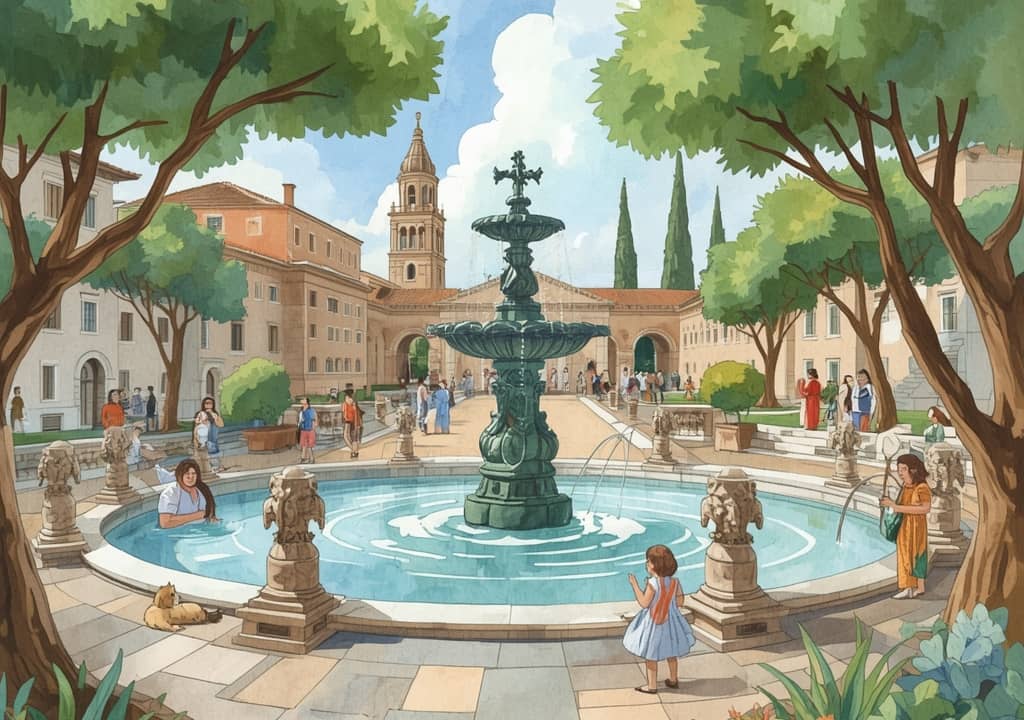
A common, humorous observation-turned-legend is that the Trevi Fountain makes ordinary travelers instantly more dramatic: people practice their best wish toss, pose with exaggerated surprise, and coordinate group photos like a film scene. The fountain’s setting seems to invite a little friendly performance.
Background
As travel photography and famous on-screen depictions made the fountain iconic, visitors began arriving with “the shot” already in mind. Over time, that shared expectation created a collective, lighthearted behavior: everyone becomes a director, actor, and audience at once.
Impact On Visitors
It lowers inhibitions in a wholesome way. Even reserved visitors often smile at the cheerful atmosphere, and the fountain becomes a place where strangers briefly cooperate - swapping photo help, sharing angles, and laughing at near-identical poses.
Additional Details
The effect is strongest at night when the lights make the water sparkle and the square feels like an open-air set. Many travelers leave saying they didn’t expect to have so much fun simply standing in one place - proof that a landmark can be an experience, not just a sight.
Frequently Asked Questions
The Trevi Fountain (Fontana di Trevi) is in central Rome, in Piazza di Trevi. It’s easiest to reach on foot from the historic center or by Metro Line A to Barberini, then a 10 - 15 minute walk.
Go very early (around 7:00 - 9:00) for fewer people and better photos. Late evening can be atmospheric but is usually busy; midday is typically the most crowded.
Popular walking routes: (1) Spanish Steps → Via dei Condotti → Trevi Fountain (about 15 - 20 min). (2) Pantheon → Piazza Colonna → Trevi Fountain (about 15 - 20 min). (3) Trevi Fountain → Piazza Venezia/Capitoline Hill (about 20 - 25 min).
Plan 15 - 30 minutes for viewing and photos; add more if you want to stroll nearby streets or visit nearby cafés and shops.
No. The Trevi Fountain is a public outdoor landmark and is free to visit at any time.
The tradition is to toss a coin over your shoulder into the fountain. It’s symbolic, and coins are collected for charity; don’t enter the water or climb on the fountain.
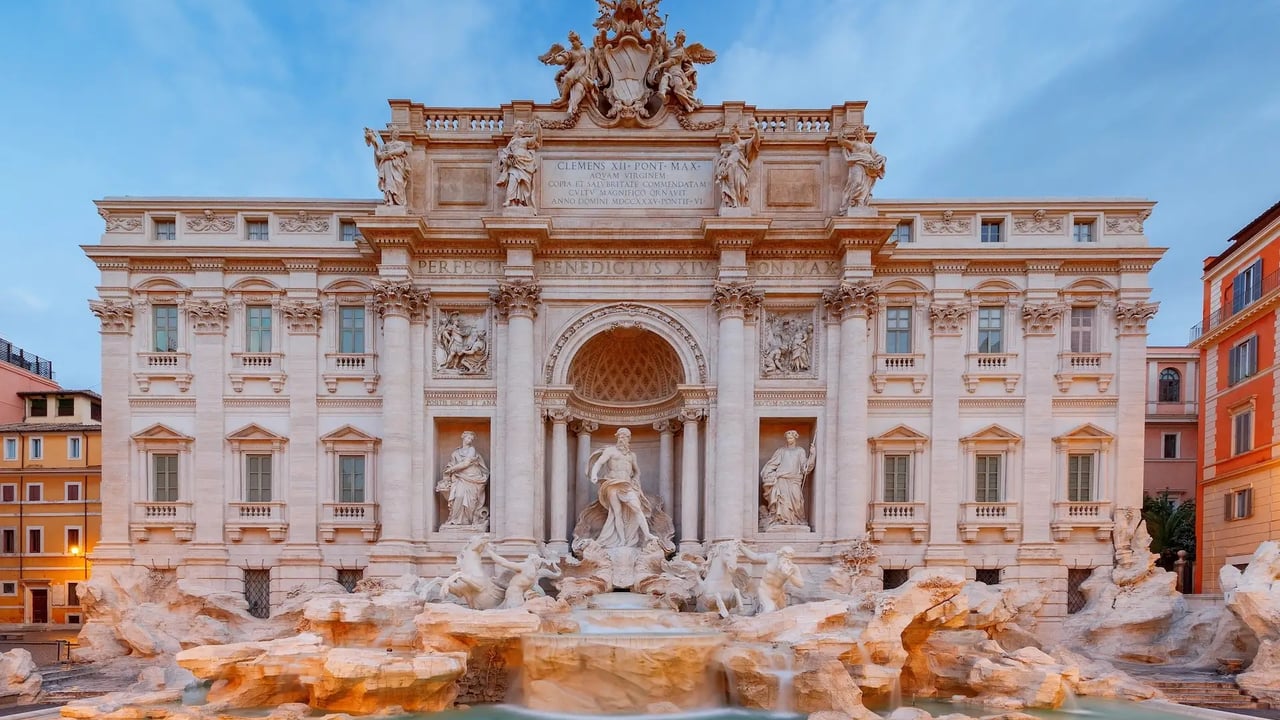
Look for Oceanus (the central figure) on a shell-shaped chariot, tritons, sea horses, and the dramatic rock and water design - an iconic example of Roman Baroque sculpture and architecture.
Wear comfortable walking shoes (cobblestones), carry a water bottle (especially in summer), and bring a small bag for valuables - pickpocketing can happen in crowded areas. A wide-angle lens/phone setting helps for photos.
Yes: don’t sit, eat, or picnic on restricted areas if signage indicates; don’t climb the statues; don’t enter the water; keep personal items secure; and be respectful of local regulations and other visitors.
Visit early morning for cleaner backgrounds and softer light. Stand slightly back from the main basin to capture the full façade, and try side angles from the plaza edges for less crowding in the frame.
Classic Rome landmarks around Trevi Fountain
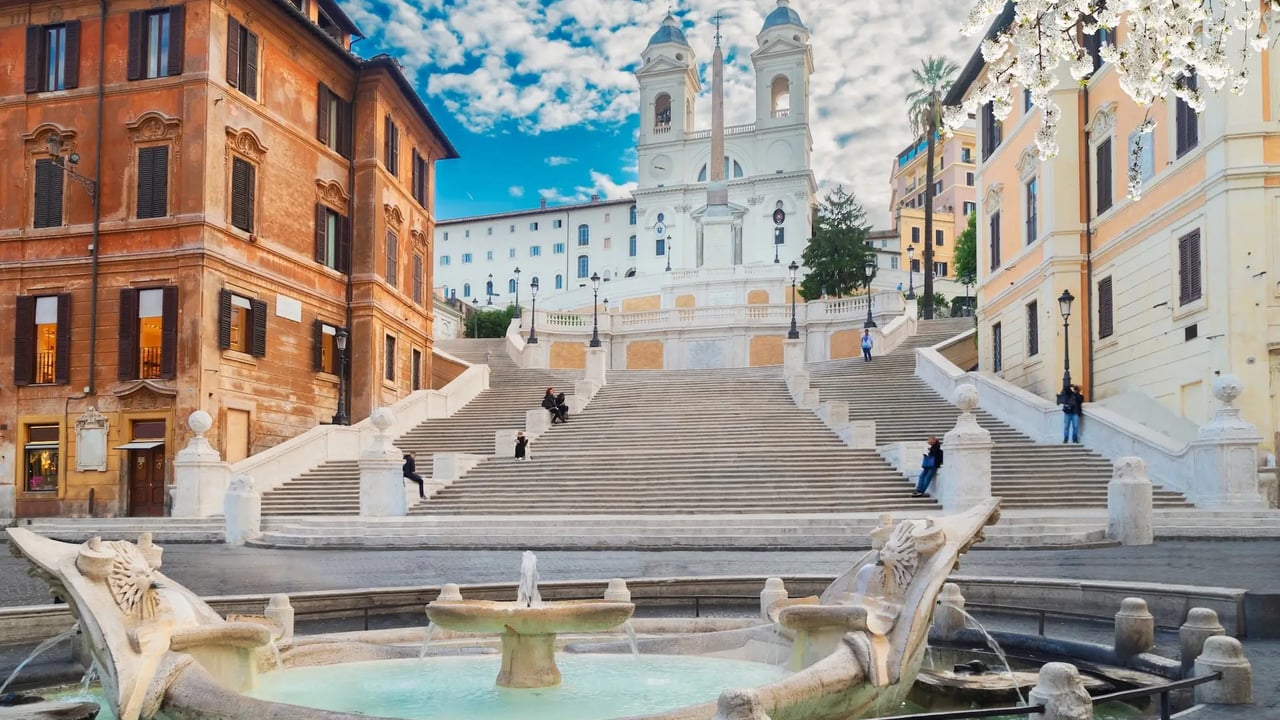
Everything You Need Before Visiting the Spanish Steps
Few places feel as cinematic as these famous stairs. Get clear directions, smart timing advice to avoid crowds, and a practical checklist for shoes, water, and weather. You’ll also find myth-filled trivia, accessibility notes, plus options for guides or audio tours and quick FAQs.
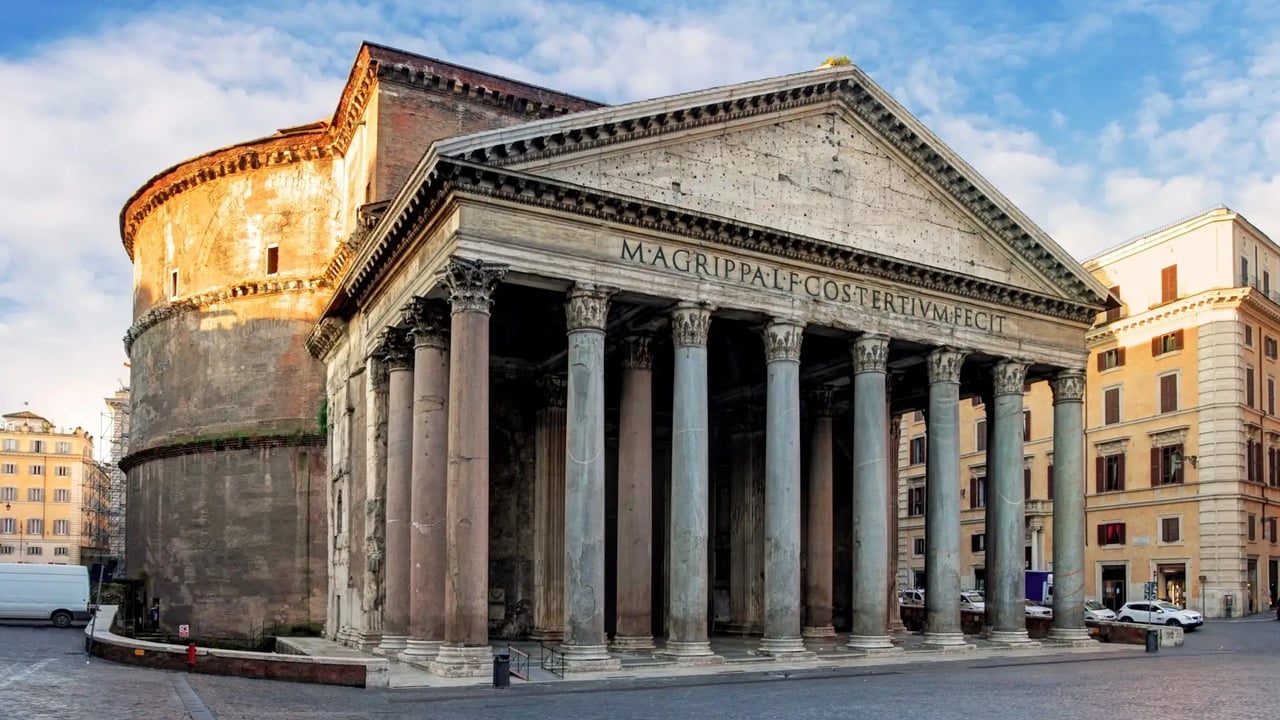
Everything You Need Before Visiting the Pantheon in Rome
One building, two millennia of wonder. This article breaks down where the Pantheon sits, current opening times, and the best hours to avoid crowds. You’ll also get a simple packing checklist, accessibility notes, and whether guided tours or audio guides are worth it, plus myths and quick FAQs.
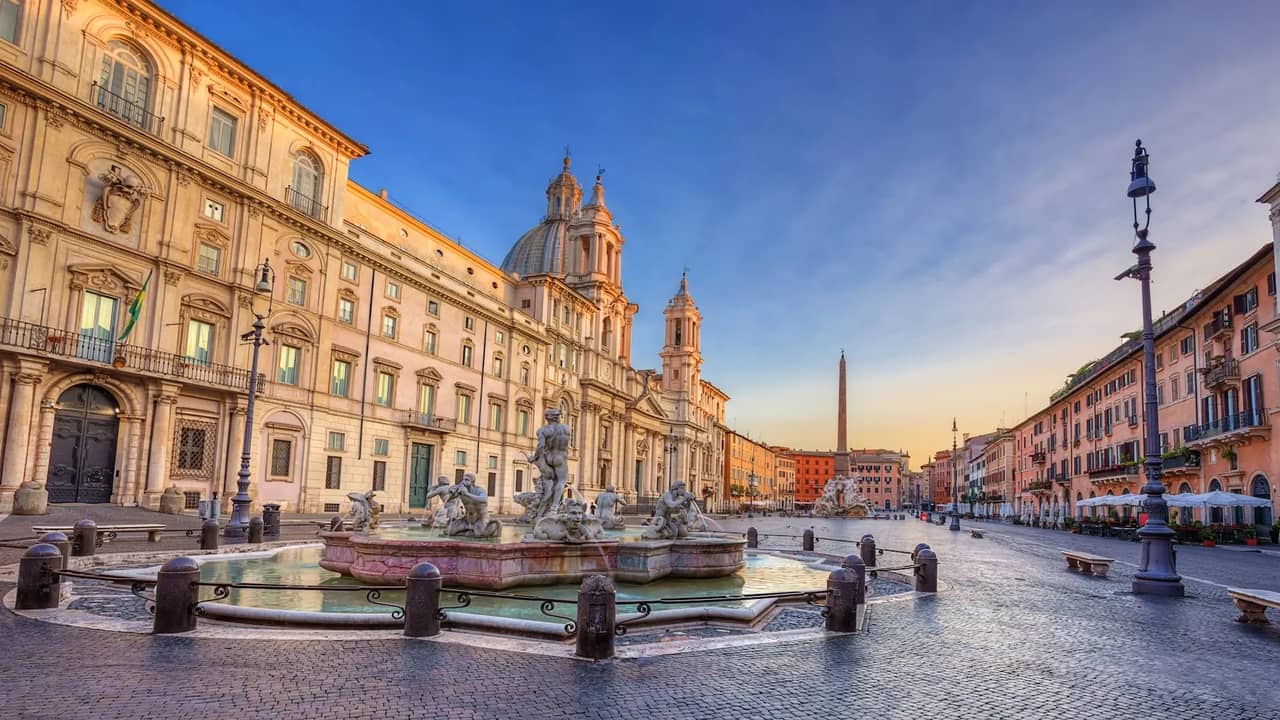
Everything You Need Before Visiting Piazza Navona
Few squares feel as theatrical after sunset as this one. Use our traveler-focused breakdown for the easiest experience: where it sits, when crowds thin out, what to pack for photos and comfort, quick myth-filled trivia, accessibility notes, and a practical FAQ to save time on arrival.