Hours And Schedule
Closes In 3h 49m
Opening Hours
Special Hours
Important Notes
Final entry is at 18:00 on regular opening days and 12:30 on the last Sunday of the month. Visitors are required to leave the galleries 30 minutes before closing time. Online ticket reservation is strongly recommended due to timed-entry controls and capacity limits.
Visit Timing
Best Time To Go
Arriving at the first timed entry of the day typically offers the lightest crowds, smoother security checks, and the best chance to view highlights (e.g., Raphael Rooms, Gallery of Maps, Sistine Chapel) before the corridors become congested. It’s also the most comfortable time physically, with less heat and fatigue from standing and walking.
Aim to be at the entrance 20 - 30 minutes before your timed ticket to clear security. If you cannot go early, a late-afternoon visit (last 1.5 - 2.5 hours before closing) can be a secondary option, but some galleries may feel rushed and staff may begin directing flow toward exits.
Seasonal Guide
These periods usually balance comfort and lower visitor volumes compared with peak spring/summer. Shorter lines, less crowded galleries, and a calmer experience inside the Museums are the main advantages, while still allowing pleasant city conditions for walking to/from the Vatican area.
Climate: Rome is generally coolest and most comfortable in late fall and winter, with occasional rain; early spring is mild but can be variable. Since the Vatican Museums are primarily indoors, weather mainly affects queue comfort and the walk/transport to the entrance.
High season (June - August) brings the most intense crowds and heat - queues can feel significantly longer and more uncomfortable. If visiting in summer is unavoidable, prioritize the earliest entry and plan for air-conditioned indoor breaks; bring water and allow extra time for security and crowd movement.
Peak hours
Packing Guide
By Season
Extra Tips
Tours And Guides
The Vatican Museums require visitors to follow on-site rules for guided groups; professional guides must be properly licensed/authorized. Audio guide language availability and pricing can change - confirm at time of visit on the Vatican Museums official ticketing pages or at the on-site Audio Guide desk. Bringing your own headphones is recommended for app-based tours; the official rented audio guide uses a dedicated device.
Expert Guides
How to book Book in advance via the Vatican Museums official website (guided tour ticket options) or via authorized tour operators/licensed guides online. On-site availability is limited and often sells out, especially in peak season.
Audio Tours
On-site rental inside/at the Vatican Museums (Audio Guide desk/counter after entry and security). Availability is first-come/limited; you can also select an audio-guide add-on when purchasing certain tickets online when offered.
App Guides
Online Experiences
Virtual/online tours are available via the Vatican Museums’ online offerings (web-based virtual visits) and via third-party live or recorded virtual tour providers. Access is obtained through websites (official Vatican Museums site or third-party platforms); pricing varies (often free for basic virtual visits on official pages; paid for hosted/live guided virtual experiences from third parties).
Top activities
How to Get There
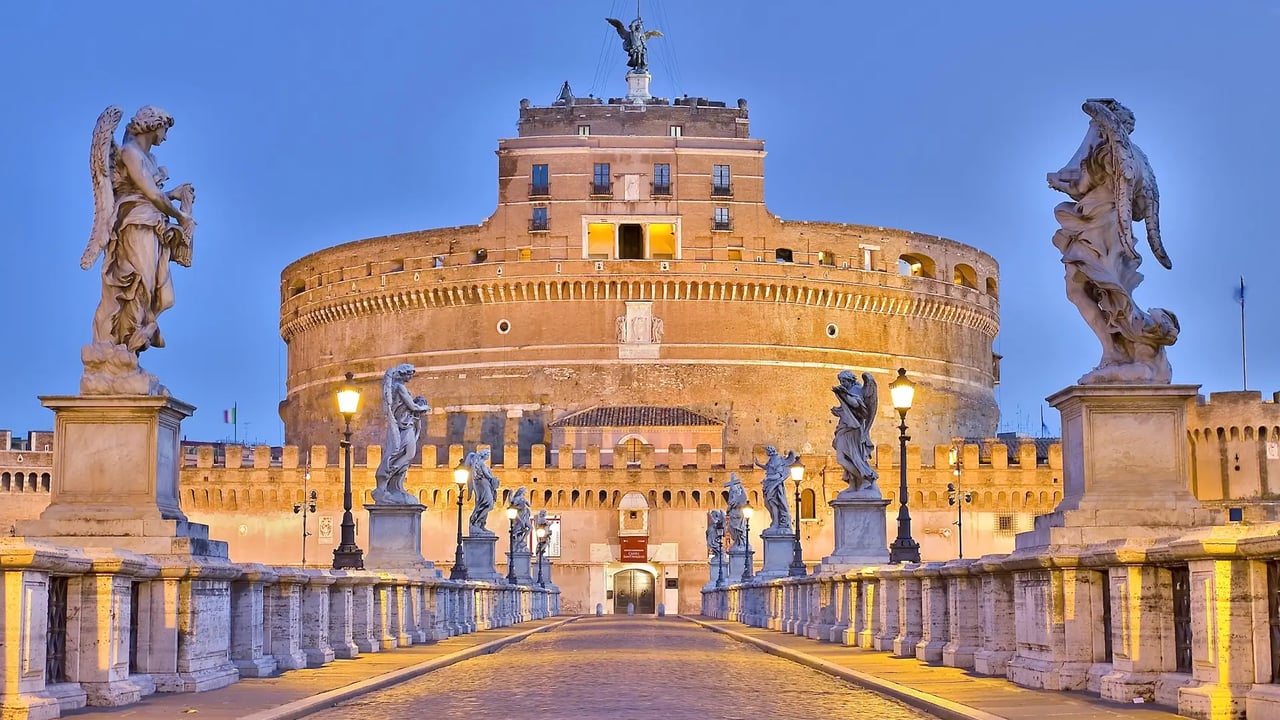
The Vatican Museums (Musei Vaticani) are located in Vatican City on the northwest edge of central Rome, entered from Viale Vaticano near Piazza del Risorgimento. Although the museums themselves are inside the Vatican State, their main public access sits immediately beside Rome’s rione (historic district) of Prati in the Municipio I area, a neighborhood known for its elegant late-19th/early-20th-century street grid, grand boulevards, and excellent connections to the rest of the city. Nearby, you are within easy walking distance of several of Rome’s most significant landmarks: St. Peter’s Basilica and St. Peter’s Square (Piazza San Pietro) are just to the south; Castel Sant’Angelo and the Tiber River are a short walk east via Via della Conciliazione; and the Trastevere area lies across the river for restaurants and evening atmosphere. Close to the museum entrance, the Vatican Walls, the Vatican Gardens (visible only on special visits), and viewpoints around the Gianicolo/Janiculum hill area add to the sense of being in a historically layered, panoramic part of the city. What makes this area special is the rare overlap of two worlds - Rome and the independent Vatican City - packed into a compact, walkable zone where ancient, Renaissance, and Baroque history converge. It is worth visiting not only for the museums’ collections and the Sistine Chapel, but also because the surrounding streets offer some of Rome’s most iconic approaches and sightlines, combining monumental architecture, major pilgrimage sites, and a lively urban neighborhood with cafes, shops, and easy access to the riverfront and central Rome.
Local Legends
Visitors swap stories about the unofficial dance of the Vatican Museums: a gentle, slow-moving shuffle through galleries that suddenly turns into a synchronized head-tilt when people reach the Sistine Chapel. The tale is that you can spot first-timers instantly - everyone looks up at the same moment, pauses in awe, and then tries to remember how to walk while looking skyward.
Background
This is modern travel lore born from the Museum’s popularity and the shared experience of moving with the crowd toward its most famous room. Guides and repeat visitors helped popularize the joke because it’s so reliably true.
Impact On Visitors
It makes the visit feel like a friendly, shared ritual - tourists laugh, relax, and feel connected to the many others who have experienced the same “I can’t stop looking up” moment.
Additional Details
You’ll hear playful advice like: “Practice your upward glance before you go in,” or “Take tiny steps - your neck will be busy.” It’s a lighthearted reminder to slow down, enjoy the art, and be patient with the flow of visitors.
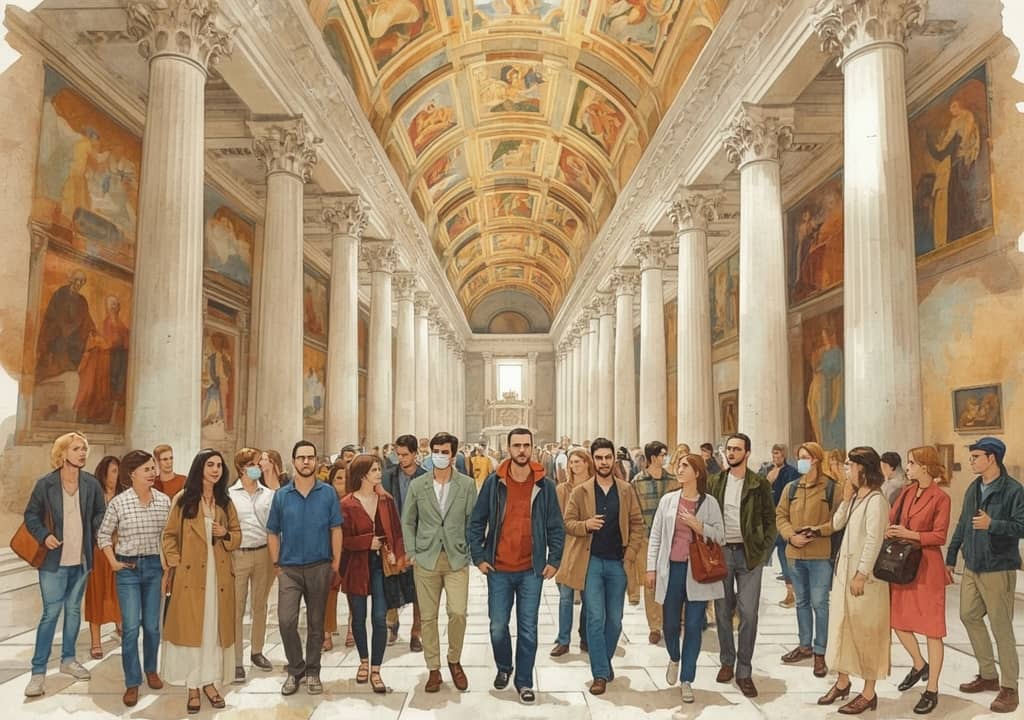
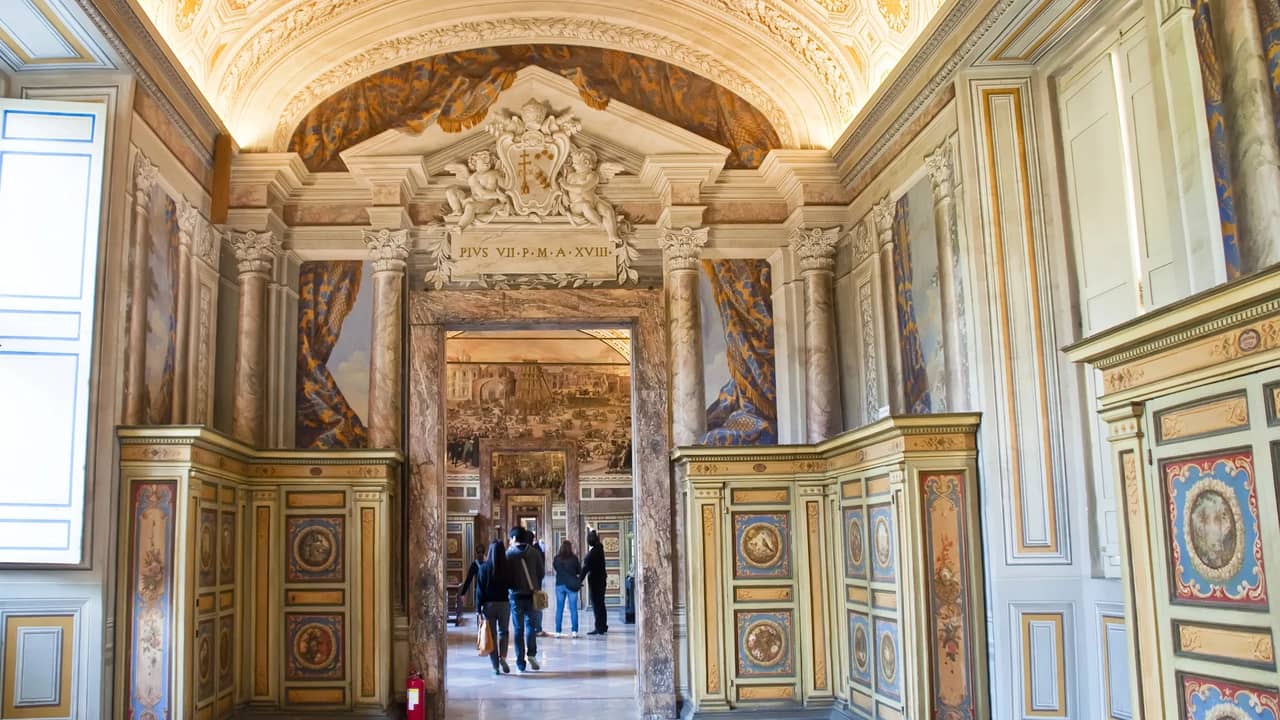
A popular, family-friendly myth says that the Gallery of Maps feels like a time machine: you step inside, and suddenly you’re traveling through Italy as people once pictured it - coastlines, towns, and landscapes presented like a grand illustrated story. The joke is that you may walk in thinking you’ll spend “just a minute,” and walk out feeling like you took a mini tour of the whole country.
Background
The Gallery’s long corridor of detailed painted maps invites visitors to compare then-and-now geography. Over time, guides and tourists turned that feeling into a simple legend: the room “shrinks time” because it’s so absorbing.
Impact On Visitors
It encourages visitors to look closely instead of rushing. People often turn the visit into a game - spot familiar regions, trace routes, and imagine historical journeys - making the museum experience more interactive.
Additional Details
Families sometimes create a “find your favorite place” challenge. Even travelers who aren’t map enthusiasts often leave saying it was unexpectedly one of the most memorable parts of the Museums.
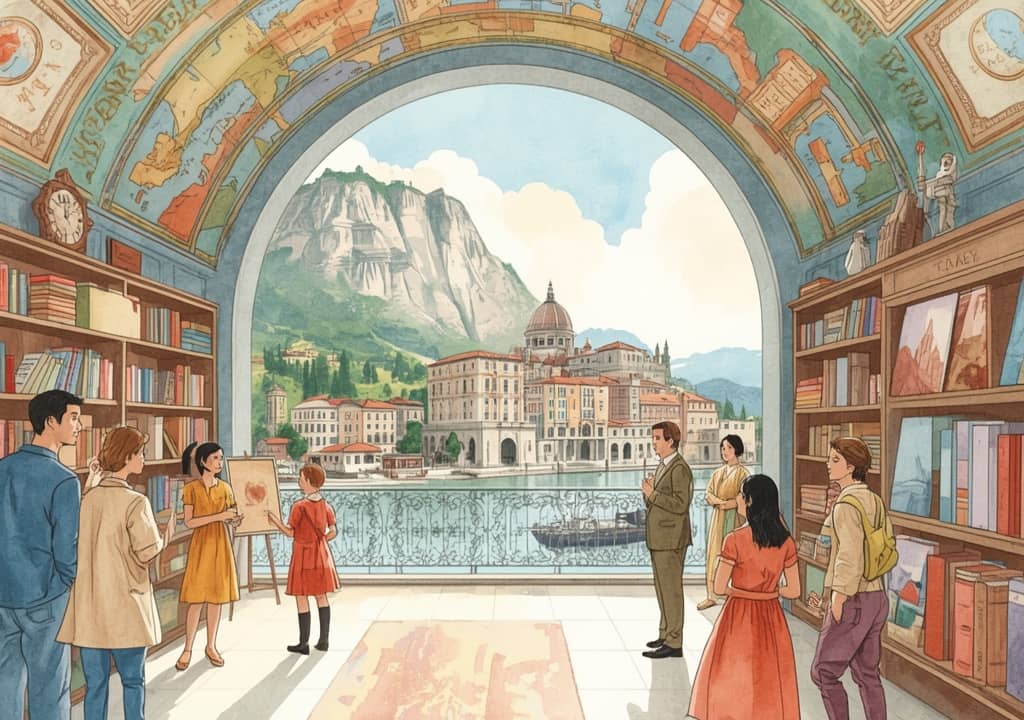
Some visitors claim that certain corridors or high-ceilinged rooms in the Vatican Museums can make quiet sounds travel surprisingly far. The cheerful rumor says the building itself is in on the fun - passing messages along the walls like a polite game of telephone.
Background
Large historic interiors with hard surfaces can create unusual acoustic effects. Over generations of tours, people turned occasional “How did you hear me from there?” moments into a charming story that the Museum ‘whispers back.’
Impact On Visitors
It makes people pay attention to the building as well as the art. Visitors become more observant, listening for subtle echoes and enjoying the atmosphere without needing any spooky framing.
Additional Details
Guides sometimes point out that architecture shapes sound, and visitors may test it gently with soft voices - always keeping the tone respectful of other guests and the Museum’s quiet ambiance.
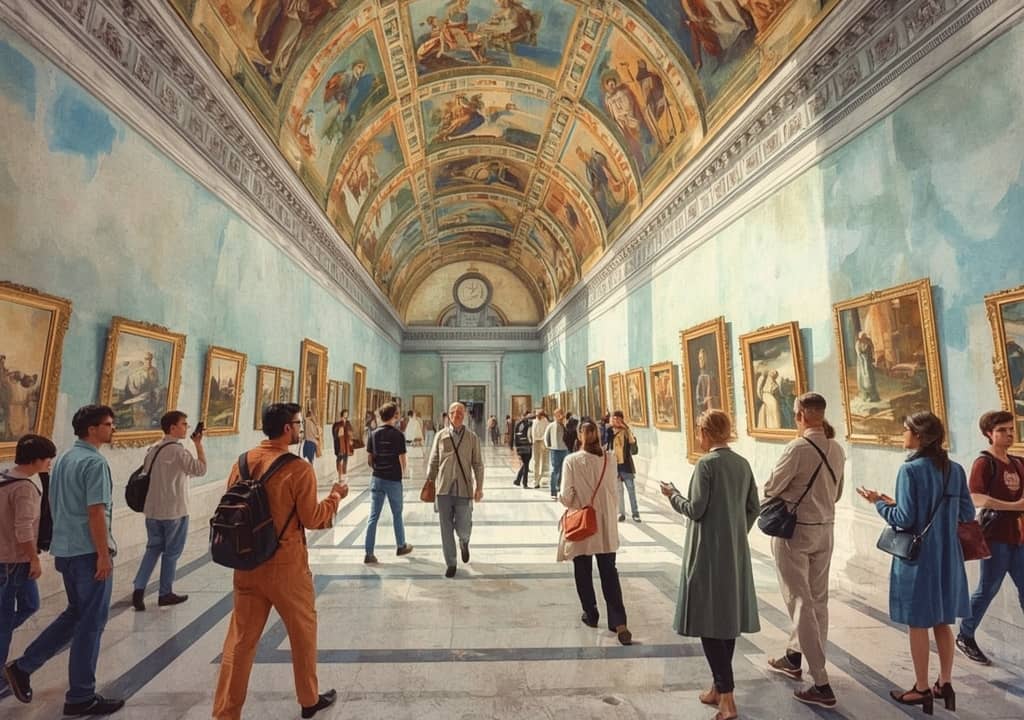
A long-running, tongue-in-cheek legend says the Vatican Museums secretly add a new room whenever someone says, “We’ve seen everything.” The punchline: the collection feels so vast that it’s practically impossible to see it all in one go, so the Museums seem to ‘grow’ in your memory.
Background
The Museums contain an enormous range of galleries and objects across many themes and periods. Visitors often underestimate how much there is, and that shared surprise turned into a comedic “it keeps expanding” myth.
Impact On Visitors
It helps tourists set realistic expectations and enjoy the highlights without stress. Many leave smiling, already planning a return visit to explore areas they missed the first time.
Additional Details
You’ll hear playful strategies like “Pick a few favorite sections and let the rest be a reason to come back.” The legend turns the Museums’ size from intimidating into an amusing badge of honor: “I tried - the collection outsmarted me!”
Frequently Asked Questions
A vast museum complex showcasing papal art collections, including the Gallery of Maps, Raphael Rooms, and the Sistine Chapel. Standard tickets generally cover the museums and Sistine Chapel (St. Peter’s Basilica is separate).
Go early (first entry) on a weekday, especially Tuesday - Thursday. Avoid peak season mid-morning and weekends. Late-afternoon entry can also be less crowded, depending on the day.
Yes - advance booking is strongly recommended to secure your preferred time slot and reduce waiting. Official tickets are timed-entry; last-minute availability can be limited.
Plan 2 - 3 hours for highlights; 4+ hours if you want a deeper visit or to see multiple galleries at a relaxed pace. Add extra time for security and walking distances inside.
For highlights: Pinacoteca (optional) → Gallery of Maps → Raphael Rooms → Sistine Chapel. If short on time, focus on Gallery of Maps + Raphael Rooms + Sistine Chapel via the main route/signage to avoid backtracking.
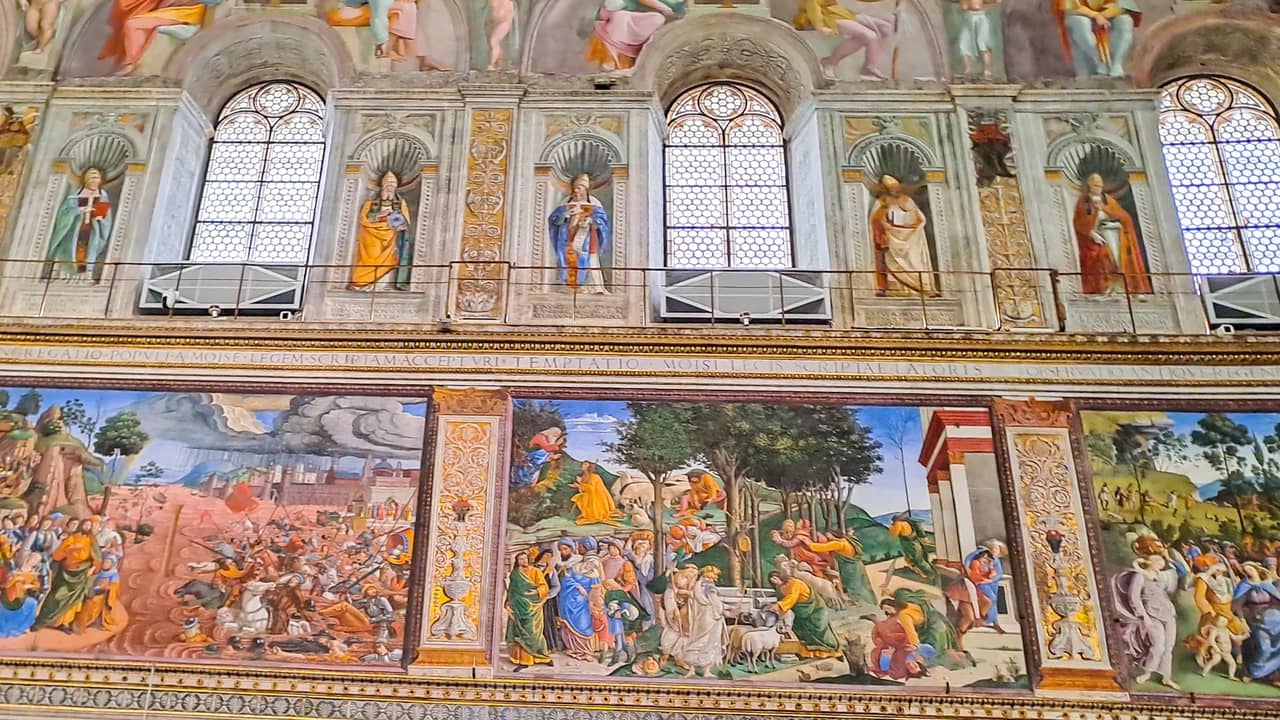
Top highlights include Michelangelo’s ceiling and The Last Judgment in the Sistine Chapel, the Raphael Rooms (e.g., School of Athens), and the long Gallery of Maps. Many visitors also enjoy the Pio-Clementino sculpture collection.
Wear modest clothing: cover shoulders and knees. This is enforced because the route includes sacred spaces (Sistine Chapel) and nearby St. Peter’s sites have similar rules.
Bring a photo ID (if required for your ticket), comfortable walking shoes, water, and a light layer. Travel light - large bags may need to be checked; sharp objects and some oversized items are restricted.
Photography is generally allowed in many museum areas without flash, but it is not allowed in the Sistine Chapel. Staff enforce silence and no-photo rules there.
The main entrance is at Viale Vaticano. Arrive early for airport-style security screening. The nearest metro is Ottaviano (Line A), followed by a walk; taxis and buses also serve the area.