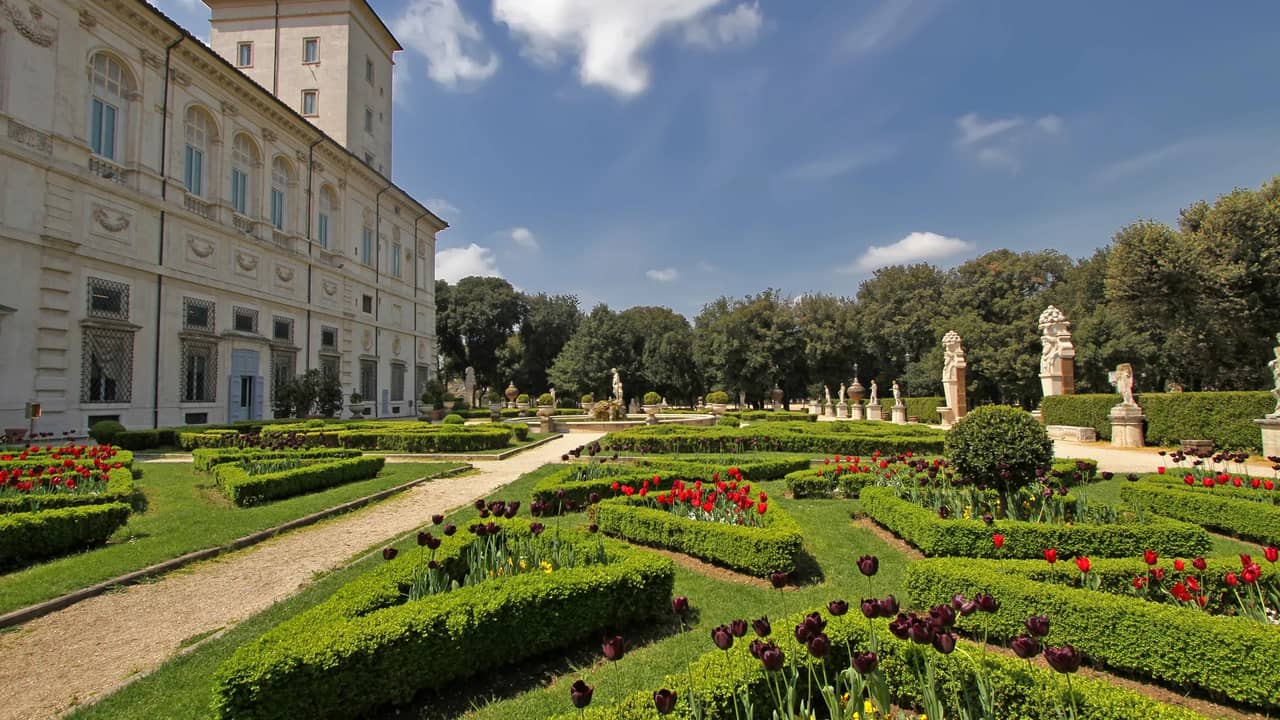
Hours And Schedule
Closes In 4h 49m
Opening Hours
Special Hours
Important Notes
Villa Borghese is a large public park; access is via multiple entrances with gated access points that are opened/closed daily. Individual attractions inside the park (e.g., museums, galleries, the zoo, cinemas, restaurants) have their own ticketing and entry rules that can differ from the park access hours.
Visit Timing
Best Time To Go
Villa Borghese is most peaceful and comfortable in the morning: cooler temperatures, softer light for photos, and noticeably fewer visitors compared with midday and late afternoon. The park’s paths, viewpoints (especially the Pincio Terrace), and lake area feel less crowded, making walks, cycling, and relaxed sightseeing easier.
If you want a particularly scenic moment, aim for 08:00 - 09:30 for quiet paths and clean light; for classic golden-hour views over Piazza del Popolo and Rome’s rooftops, consider a secondary option near sunset at the Pincio Terrace (arrive early to secure space and avoid the tightest crowds).
Seasonal Guide
Spring and fall generally provide the best balance of comfortable temperatures, attractive scenery, and manageable crowd levels. Spring offers fresher greenery and flowering gardens, while fall brings softer light and autumn color - both ideal for strolling, picnicking, and panoramic viewpoints without the peak summer heat.
Climate: Spring: mild-to-warm days with occasional showers; Fall: mild days, cooler evenings, generally pleasant walking weather. Both seasons are typically far more comfortable than midsummer, when heat and humidity can make long walks in the park tiring.
Summer (June - August) can be scenic but is often hot and busy; plan for early morning or late evening only and carry water. Winter (December - February) is quieter and can be crisp; it’s a good choice for crowd avoidance, though greenery is less vibrant and days are shorter.
Peak hours
Packing Guide
By Season
Extra Tips
Tours And Guides
“Villa Borghese” is a large public park with multiple attractions; dedicated on-site audio-guide rental is not generally a single centralized park-wide service. The most structured and commonly bookable guide/audio-guide offerings are tied to the Galleria Borghese (the museum within Villa Borghese), which uses timed-entry access; guided tours often include or require pre-booked museum tickets. For other points of interest in the park (e.g., viewpoints, gardens, small museums), visitors most often rely on private guides, tour-operator itineraries, or mobile app self-guides.
Expert Guides
How to book Typically booked online in advance via licensed tour operators or with a private licensed guide. For art-focused guided visits, most “Villa Borghese” tours are specifically for the Galleria Borghese (inside the park) and require advance timed entry reservations for the museum.
Audio Tours
Most reliably obtained for visitors as: (1) third-party audio guide apps/online audio guides purchased via websites/app stores and used on your phone; (2) on-site rental/collection is associated primarily with the Galleria Borghese rather than the entire Villa Borghese park. Availability and terms for on-site museum audio-guide rental can vary, so checking the Galleria Borghese’s current visitor services before arrival is recommended.
App Guides
Online Experiences
Virtual/remote experiences are available mainly for the Galleria Borghese (virtual guided tours/online experiences offered by third-party platforms, and occasional institutional digital content). For the broader Villa Borghese park, virtual tours are typically third-party, map-based, or video-led experiences rather than an official park-wide virtual-tour service.
Top activities
How to Get There
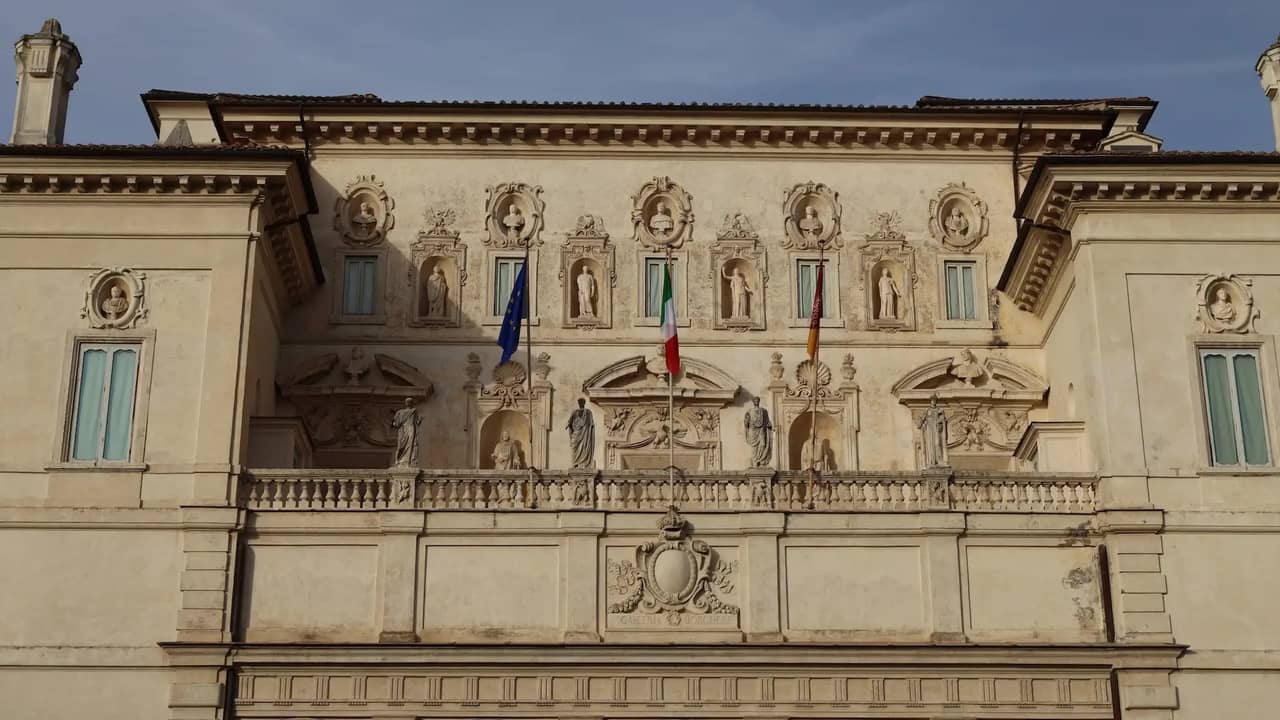
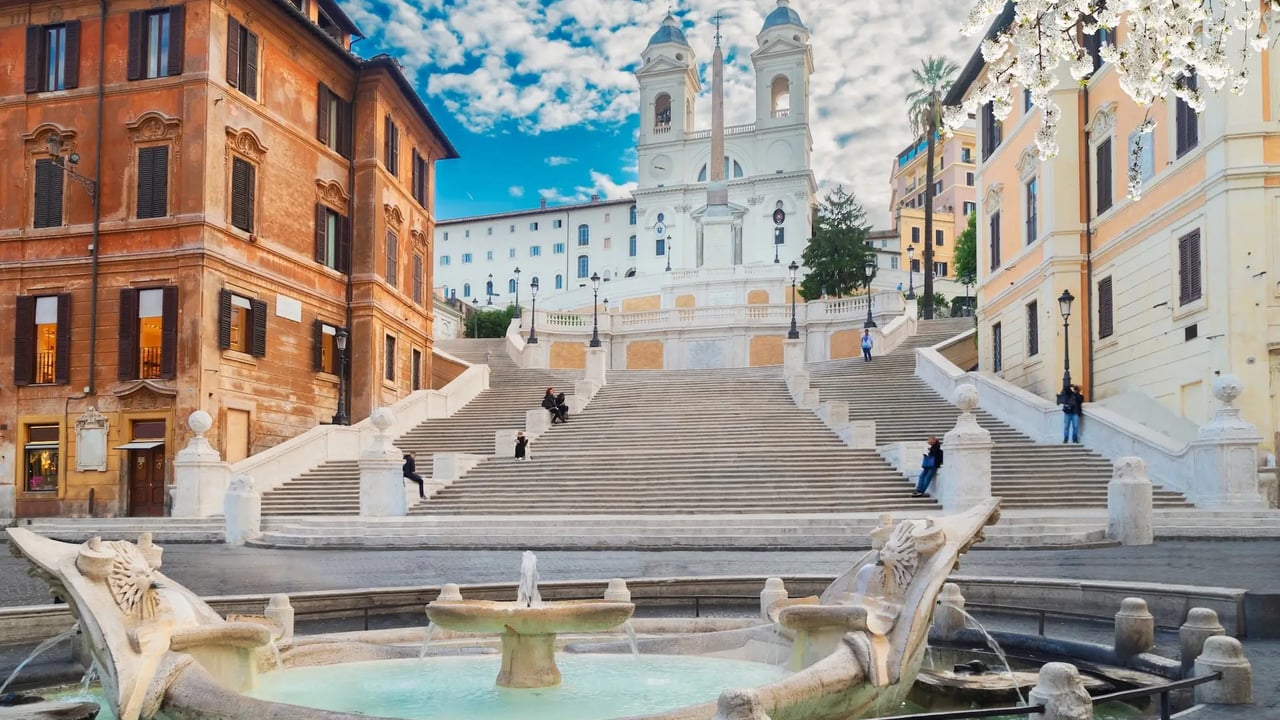
Villa Borghese is a large historic park and garden complex in central Rome, set just north of the city’s historic center and immediately east of Piazza del Popolo. Administratively, it lies primarily in the Municipio II area (the Flaminio/Pinciano zone), with edges close to the boundary of Municipio I (the Centro Storico). Notable nearby landmarks and places include: - Piazza del Popolo and Porta del Popolo (one of the traditional gateways into Rome), at the park’s southwestern edge. - The Pincian Hill (Terrazza del Pincio), a celebrated overlook between the park and Piazza del Popolo with panoramic views toward the city center and St. Peter’s dome. - Via Veneto and the Ludovisi area to the south (associated with Rome’s “La Dolce Vita” era and grand hotels). - The Spanish Steps (Piazza di Spagna) and the Tridente shopping streets, a short walk to the southwest. - Galleria Borghese (inside the park), one of Rome’s premier art museums. - Piazza del Popolo - Flaminio area and the Tiber River corridor to the west, with easy access toward the historic center. What makes this part of Rome special is the rare combination of dense urban grandeur and a vast green refuge at the edge of the historic core. Villa Borghese offers landscaped gardens, tree-lined paths, viewpoints, and cultural venues all within walking distance of major monuments and shopping districts. It is worth visiting both for its museum-level artistic heritage (especially at Galleria Borghese) and for the experience of relaxing in one of Rome’s most elegant parks - ideal for scenic strolls, sunset views from the Pincio, and a quieter counterpoint to the city’s busy archaeological and baroque sites.
Local Legends
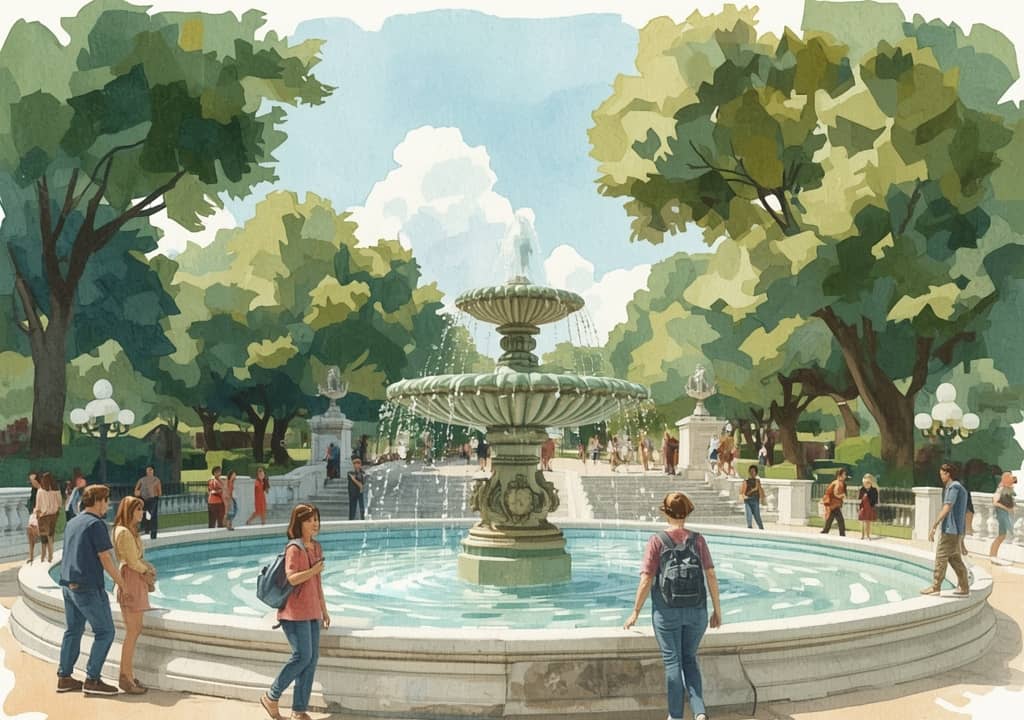
Visitors sometimes claim that if you pause near certain fountains in Villa Borghese when the park is calm, the water seems to “form” little phrases - like a playful secret being whispered through bubbles and splashes. It’s a cheerful rumor that turns an ordinary stroll into a listening game: people compare what they think they heard, and everyone ends up laughing at how different their “messages” are.
Background
Likely born from the park’s many fountains and the way moving water can create rhythmic, voice-like patterns. Over time, guidebook-style word-of-mouth turned it into a small tradition: stand still, listen, and imagine what the fountain is ‘saying.’
Impact On Visitors
Encourages families and friends to slow down, pay attention to the park’s sounds, and experience Villa Borghese as a place of small wonders rather than just a route between attractions.
Additional Details
Some visitors make it a challenge: one person listens first, then another, and they compare their ‘translations.’ The most popular “messages” are always harmless and silly - usually about gelato, sunny afternoons, or how pretty the gardens look.
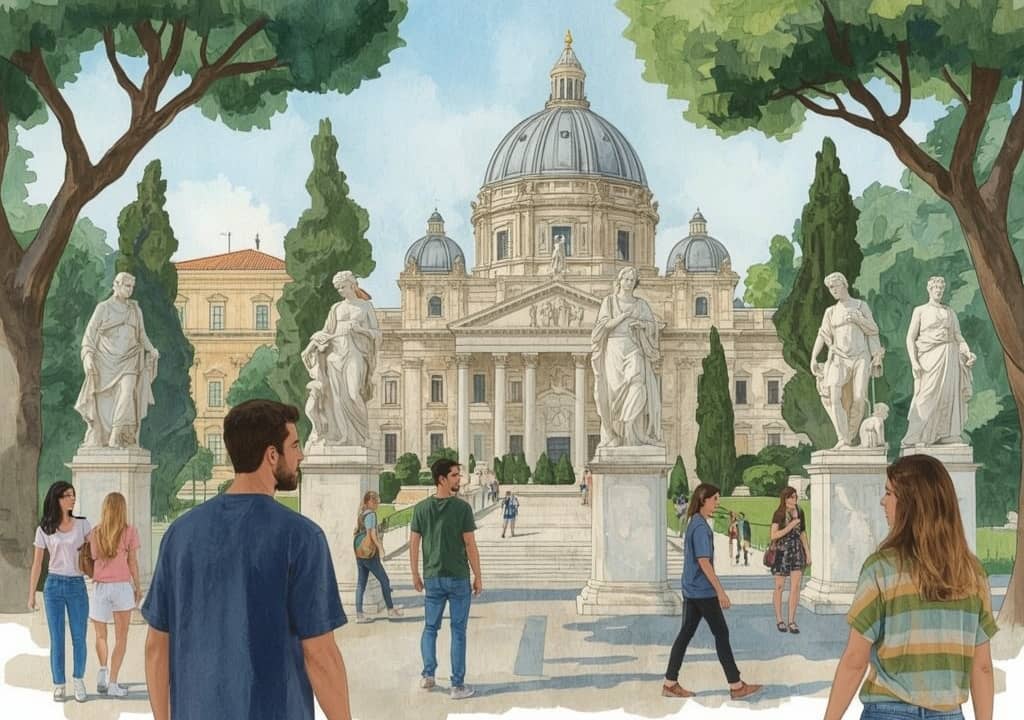
A popular, good-natured tale says that a few sculptures in and around the Borghese world seem to shift mood as you walk around them - almost as if they’re reacting to your position. Visitors love the idea that the artworks are playing a gentle game of hide-and-seek with expressions: serious from one side, thoughtful from another, and surprisingly lively from a third.
Background
This is inspired by the very real skill of Baroque sculptors - especially Gian Lorenzo Bernini - who designed forms to look different from different viewpoints. Over years of tours and repeat visits, the artistic effect became a lighthearted “they’re changing!” story.
Impact On Visitors
Makes people circle the sculptures instead of taking one quick look, turning the museum-and-park experience into an interactive activity. It also helps visitors remember why the Borghese collections feel so dynamic.
Additional Details
Guides sometimes invite groups to pick a ‘favorite angle’ and vote on what emotion they see. The result is usually a fun debate - proof that art can feel personal and playful at the same time.
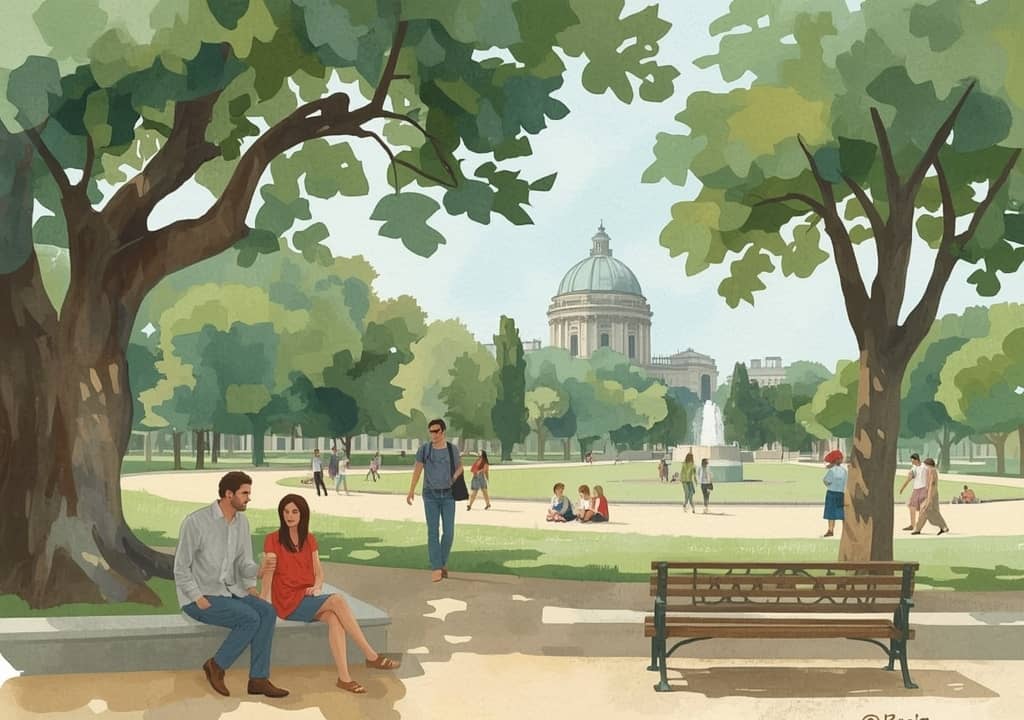
Regulars joke that Villa Borghese has a magical talent: the moment you decide you want to sit down with a snack, a charming bench or shady patch of lawn seems to appear at just the right time. If you’re not looking for it, you might walk past it without noticing - yet when you are, it’s suddenly there, like the park is being a considerate host.
Background
A mix of the park’s winding paths, varied landscaping, and the way attention changes what we notice. Over time, this became a friendly “the park provides” saying shared among locals and tourists.
Impact On Visitors
Adds a sense of ease and comfort: people feel invited to relax and explore without planning every step, trusting they’ll stumble upon a pleasant resting place.
Additional Details
Some families turn it into a mini-quest: choose a random path, and the first truly cozy spot becomes ‘the day’s lucky picnic place.’ It’s a simple tradition that makes the visit feel personal.
An affectionate joke among visitors is that Villa Borghese doesn’t really do straight lines. The paths curve, viewpoints pop up unexpectedly, and you can feel like you’re taking the ‘short way’ only to discover an even prettier route. People describe it as the park giving you a friendly detour on purpose - because it wants you to see just one more fountain, one more garden corner, one more view.
Background
The park’s design encourages strolling rather than direct point-to-point movement. Over many generations of visitors, the shared experience of cheerful, accidental wandering became a common story.
Impact On Visitors
Helps tourists embrace getting a little turned around as part of the fun, reducing stress and making the visit feel like a small adventure rather than a checklist.
Additional Details
A common tip tied to this story is to pick a landmark - like the lake area or a museum entrance - and then allow yourself one ‘bonus loop’ before heading there. Many travelers later say that bonus loop became their favorite memory.
Frequently Asked Questions
Villa Borghese is Rome’s most famous landscaped park, featuring gardens, viewpoints, museums (notably the Galleria Borghese), a lake with boat rentals, monuments, and plenty of shaded paths for walking and cycling.
Early morning is best for quiet paths and cooler temperatures; late afternoon is great for golden light and viewpoints. Midday can be hot and busy, especially in summer.
Spring (March - May) and autumn (September - November) offer the most comfortable weather and pleasant scenery. Summer is lively but hot; winter is calmer with shorter daylight.
Plan 1 - 2 hours for a stroll and key viewpoints, 2 - 4 hours if you include the lake area or a bike ride. Add 2 hours if visiting the Galleria Borghese (timed entry).
The park itself is free and does not require reservations. The Galleria Borghese requires advance booking with a timed entry; other sites in the park (museums/attractions) may also require tickets.
Popular access points include Piazza del Popolo (up to the Pincio Terrace), Spagna/Spanish Steps side (stairs/paths into the park), and Porta Pinciana (near Via Veneto). Metro A stops (Spagna or Flaminio) are commonly used, followed by a walk.
A classic route is: Piazza del Popolo → Pincio Terrace (view over Rome) → walk into the gardens → reach the lake (Tempio di Esculapio) → continue toward Piazza di Siena/green areas → exit near Spanish Steps or return to Popolo.
Top highlights include the Pincio Terrace viewpoint, the lake and Temple of Aesculapius, the Galleria Borghese (art by Bernini/Caravaggio), scenic lawns and gardens, and several monuments and pavilions spread throughout the park.
Walking is best for flexibility and photo stops. Bikes and e-bikes are great for covering more ground quickly on the main paths. Golf cart/buggy tours are useful if you prefer minimal walking or have limited time.
Bring comfortable walking shoes, water (especially in warm months), sunscreen/hat, and a light layer for evenings. For Galleria Borghese, arrive early for timed entry and check the museum’s bag rules; keep valuables secure in crowded areas near main entrances.