Visit Timing
Best Time To Go
You’ll get softer light for photos, cooler temperatures (especially in warm months), and noticeably fewer tour groups and traffic compared with midday and late afternoon.
For the most scenic viewpoint, pair your visit with a short walk up to Terrazza del Pincio soon after sunrise; the piazza and Via del Corso feel calmer before shops and city foot traffic ramp up.
Seasonal Guide
These shoulder seasons balance comfortable walking weather with generally lighter crowds than peak summer, while still offering long enough daylight for combining the piazza with nearby sights (Pincio, Villa Borghese edge, Via del Corso).
Climate: Spring/Fall typically bring mild daytime temperatures and cooler evenings; occasional rain is possible, so a light jacket or compact umbrella helps. Summer can be hot and bright in the open square; winter is cooler with shorter days but can be pleasantly quiet on clear mornings.
For a more atmospheric experience with fewer visitors, consider winter weekdays (Jan - Feb) during late morning or golden hour - just expect cooler air and earlier sunsets. Spring often feels fresher and more scenic in nearby green areas (Pincio/Villa Borghese), while fall offers warm-toned light and comfortable strolling.
Peak hours
Packing Guide
By Season
Extra Tips
Top activities
How to Get There
Piazza del Popolo is a major historic square in Rome located just inside the northern gate of the old city, at the point where the ancient Via Flaminia entered Rome. Administratively, it lies in Municipio I (Centro Storico), in the rione (historic district) of Campo Marzio. Nearby landmarks and important places include Porta del Popolo (the former city gate) and the adjacent twin churches, Santa Maria dei Miracoli and Santa Maria in Montesanto, which frame the entrance to Via del Corso - one of Rome’s main central streets. At the center of the piazza stands the Flaminio Obelisk (Obelisco del Popolo). On the edge of the square is the Basilica of Santa Maria del Popolo, known for significant artworks and chapels. Directly above the piazza, the Pincian Hill (Pincio) and the Terrazza del Pincio offer one of the city’s classic panoramic viewpoints, and the square also borders the green spaces of Villa Borghese. The Mausoleum of Augustus and Ara Pacis area are also within easy walking distance. This part of Rome is special because it functions as a grand ceremonial threshold between the historic center and the northern approaches to the city, combining monumental urban planning, Baroque architecture, major artworks, and immediate access to both shopping streets (Via del Corso) and scenic gardens (Pincio/Villa Borghese). It is worth visiting for its iconic composition (obelisks, fountains, and churches), its museum-quality churches, and its strategic position for exploring the Centro Storico while also enjoying memorable views over Rome from the Pincian terrace - especially around sunset.
Local Legends
Many visitors arrive assuming Piazza del Popolo literally means “People’s Square,” and locals sometimes play along with a wink. In reality, a popular explanation is that “Popolo” is linked to the nearby church of Santa Maria del Popolo and a historic district name, so the title is more “of the Popolo area” than a slogan about crowds. The lighthearted twist is that the square still feels like it was designed for people: wide steps, open sightlines, and an easy flow between streets - so the folk interpretation ends up feeling true anyway.
Background
Tourist-friendly wordplay that grew from the direct translation of “popolo” and the square’s role as a grand welcoming space at the city’s northern entrance.
Impact On Visitors
It becomes a fun icebreaker and a memorable trivia fact - people leave feeling like they learned a secret and also got to enjoy the square exactly as a “people’s place.”
Additional Details
Guides sometimes turn it into a quick game: ask the group what they think the name means, then reveal the church connection and point out how the architecture still makes the literal meaning feel fitting.
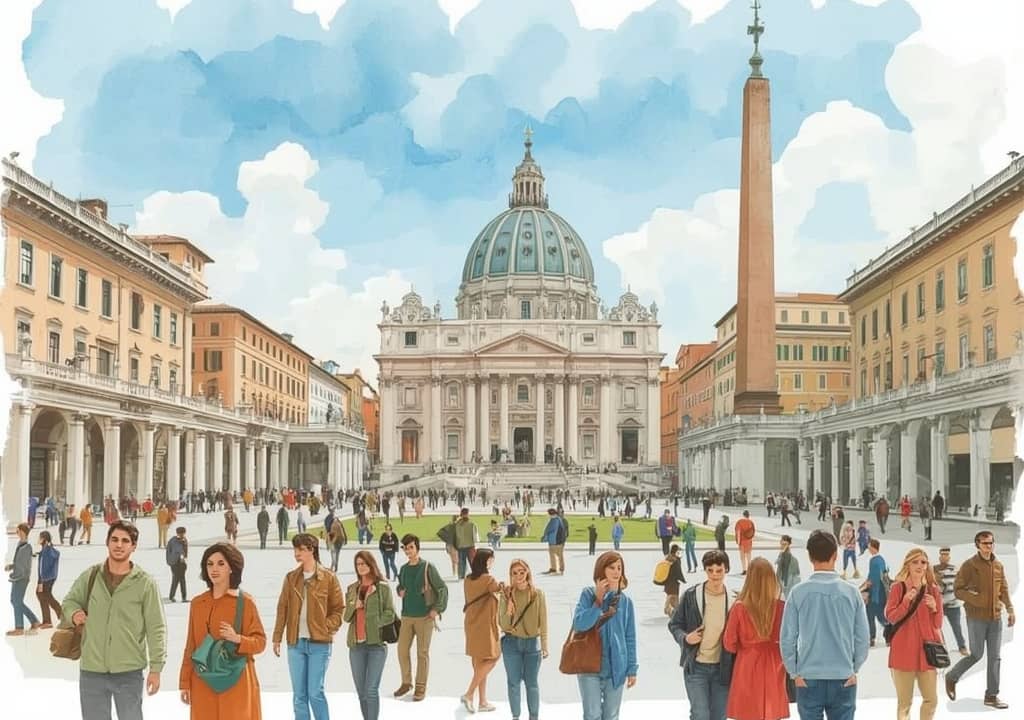
A cheerful rumor among repeat visitors is that you can use the central obelisk as a quick, rough “clock.” Watch where its shadow falls across the pavement and surrounding lines, and you get a surprisingly satisfying sense of the time - good enough, as the story goes, to decide whether you have time for a snack before heading to the Spanish Steps or Villa Borghese. It’s not a precision instrument, but it’s a playful way to look at the square.
Background
Obelisks have long been associated with sunlight and shadow, and Piazza del Popolo’s open layout makes the shifting shadow easy to notice throughout the day.
Impact On Visitors
It invites families and friends to slow down and interact with the space - turning a photo stop into a mini activity and a shared joke: “What time does the obelisk say?”
Additional Details
The best moments are morning and late afternoon, when the shadow is longer and more dramatic. Visitors often compare guesses, then check a phone - usually with a laugh at how close (or not) they were.
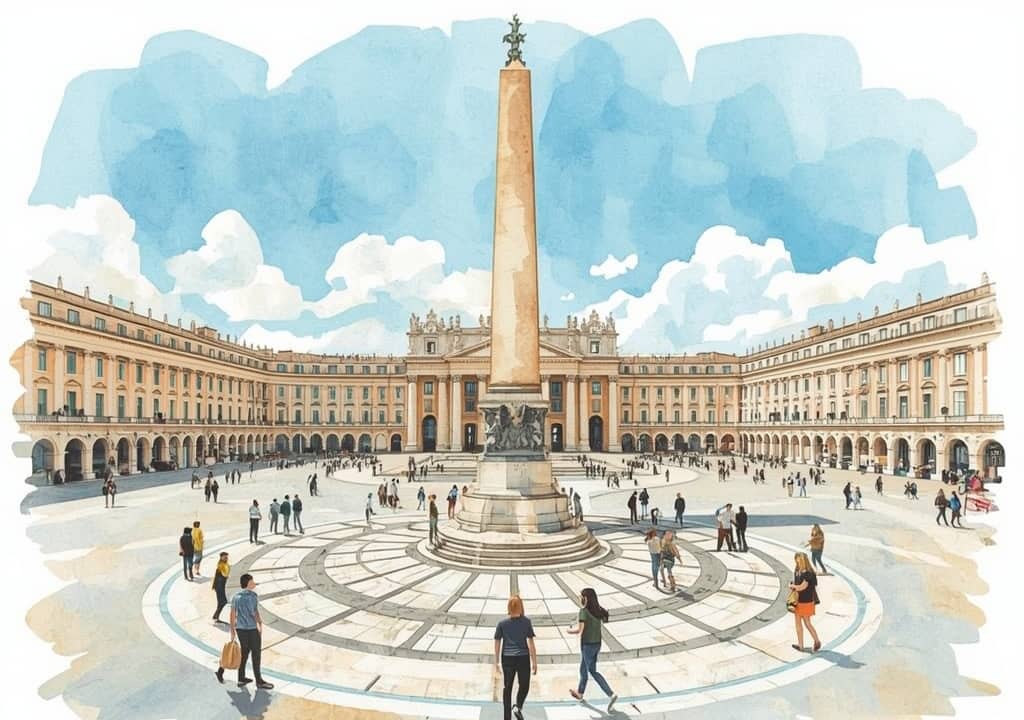
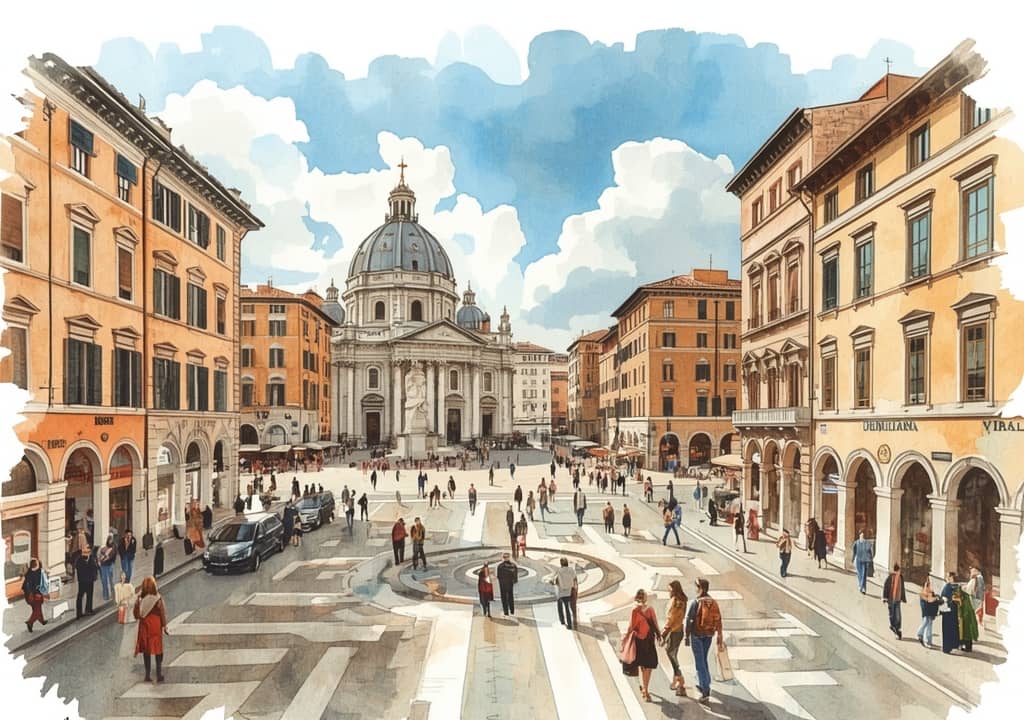
Standing at the south side of the square, you can see three streets fanning out - Via del Corso, Via del Babuino, and Via di Ripetta - forming the famous “Tridente” (trident shape). A light tourist tradition says: pick one road for love (a scenic stroll), one for luck (shopping and surprises), and one for adventure (finding hidden corners). Then choose your route and make a wish that matches it. It’s a modern, family-friendly ritual that makes the layout feel like a choose-your-own-storybook.
Background
The striking three-way street plan naturally invites symbolic interpretations, and guides and travelers have amplified it into an informal wishing game.
Impact On Visitors
It turns navigation into a playful moment and makes the square feel like a gateway where a day in Rome can branch into three different “chapters.”
Additional Details
Some visitors repeat the ritual at sunset: they return to the piazza, compare what each road delivered, and claim the square “granted” the wish in unexpected ways - like finding a perfect café or a street musician at the right moment.
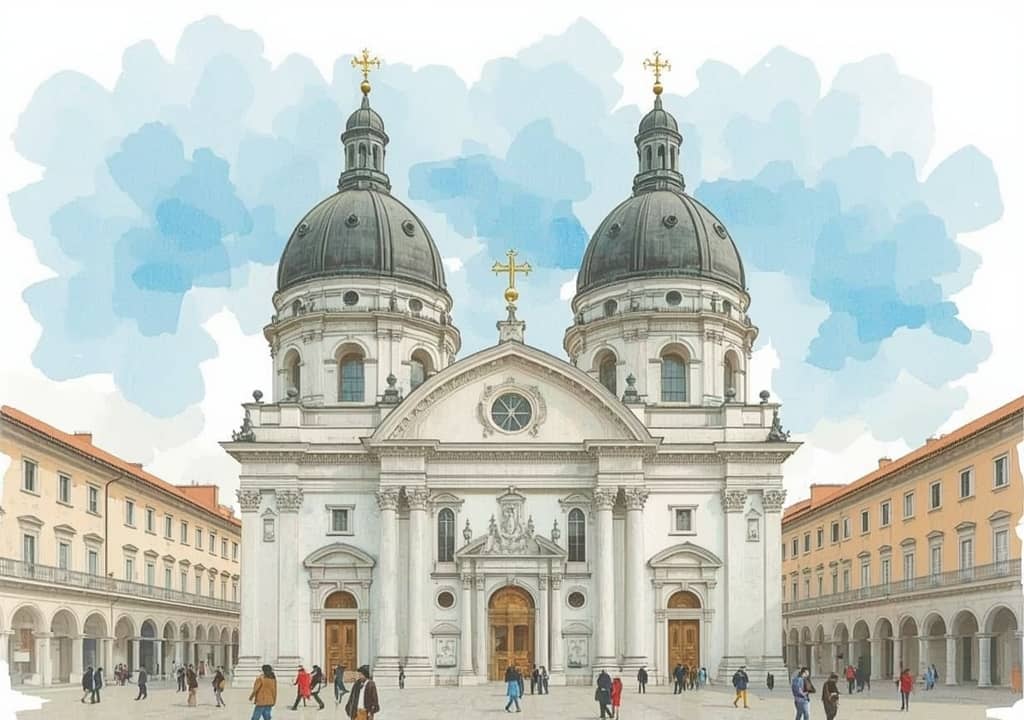
At one end of the piazza are the two domed churches often called the “twin churches.” The fun story is that they look like perfect twins from a quick glance, but they aren’t identical - more like siblings dressed alike for a special occasion. Visitors enjoy trying to spot subtle differences in shape and details, as if the buildings are politely challenging you: “Can you tell us apart?”
Background
Their paired placement creates an intentional visual harmony, which naturally led to the nickname and a long-running visitor habit of comparing them.
Impact On Visitors
It adds a friendly puzzle to the visit and encourages people to look up and notice design choices they might otherwise miss.
Additional Details
A common tip is to step back toward the center of the piazza and compare the domes and façades from the same angle. Many travelers take a photo, then zoom in later to see if they caught the “not-quite-twins” clues.
Frequently Asked Questions
Piazza del Popolo is at the north edge of Rome’s historic center, between the Aurelian Walls and Via del Corso. The easiest way is Metro A to Flaminio - Piazza del Popolo, which exits directly onto the square. Many buses and trams also stop at or near Piazzale Flaminio.
Early morning is best for fewer crowds and photos. Late afternoon to sunset is ideal for views from the Pincian Terrace (Terrazza del Pincio) above the square. Evenings are lively and nicely lit, but busier.
Spring (April - June) and early autumn (September - October) offer pleasant temperatures and good light. Summer can be hot and crowded; winter is quieter but can be chilly and has shorter daylight hours.
Key sights include the Egyptian Obelisk (Obelisco Flaminio) at the center, the “twin” churches Santa Maria in Montesanto and Santa Maria dei Miracoli, Porta del Popolo, and Santa Maria del Popolo church (famous for major artworks).
Yes - it's one of the top art stops near the square. Look for Caravaggio paintings in the Cerasi Chapel (when accessible), plus works by artists including Raphael (depending on chapel access). Dress modestly for a church visit.
Walk up to Terrazza del Pincio (Pincian Terrace) in Villa Borghese: stairs and paths start from the east side of the square. It’s about 5 - 10 minutes on foot and offers one of Rome’s classic panoramic views.
Popular routes: (1) Via del Corso south toward Spanish Steps and Trevi Fountain; (2) toward Piazza di Spagna via Via di Ripetta and nearby streets; (3) into Villa Borghese for gardens and museums; (4) across the Tiber to Piazza Navona/Vatican area via nearby bridges (longer walk).
30 - 60 minutes is enough to see the square and take photos. Plan 1.5 - 2 hours if you add Santa Maria del Popolo and the walk up to Terrazza del Pincio (or time in Villa Borghese).
Comfortable walking shoes, water (especially in warm months), sun protection (hat/sunscreen), and a light layer for evenings. Bring a respectful cover-up if you plan to enter churches. Keep valuables secure in crowded periods.
It’s generally safe and well-patrolled, but watch for pickpockets around transit exits and crowds. Use the Metro A Flaminio stop for the simplest access, and aim for morning or sunset for the best experience and photos.
Perfect Piazza del Popolo walking loop
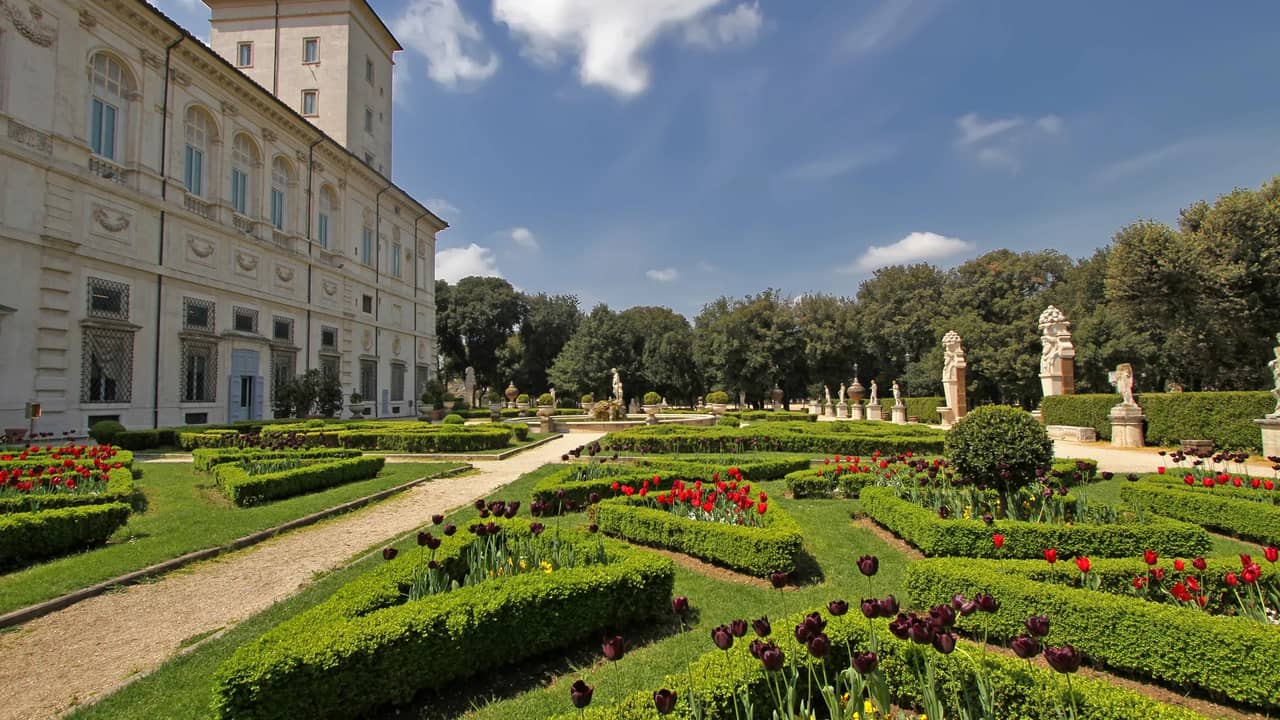
Everything You Need Before Visiting Villa Borghese
Need a breather from busy streets? This park delivers shade, viewpoints, and easy wanders. Learn where entrances are, opening hours, the best season and time of day, plus what to pack. Find accessibility notes, audio-guide options, quirky legends, and quick FAQs to smooth your outing.
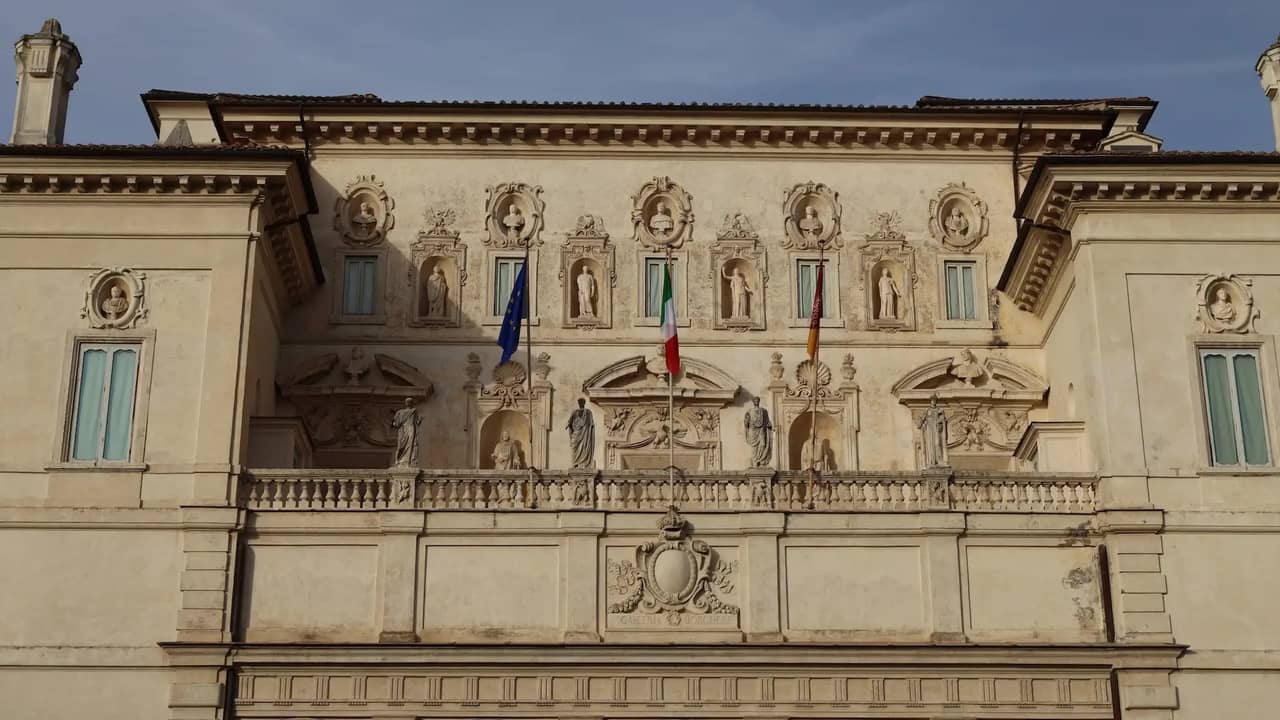
Everything You Need Before Visiting Galleria Borghese
Few museums deliver knockout beauty so quickly. This article shows where the villa sits, exact opening hours, and the smartest seasons to go. You’ll get a packing checklist, accessibility notes, plus tips on booking guided tours or audio commentary, along with fun myths and a quick FAQ.
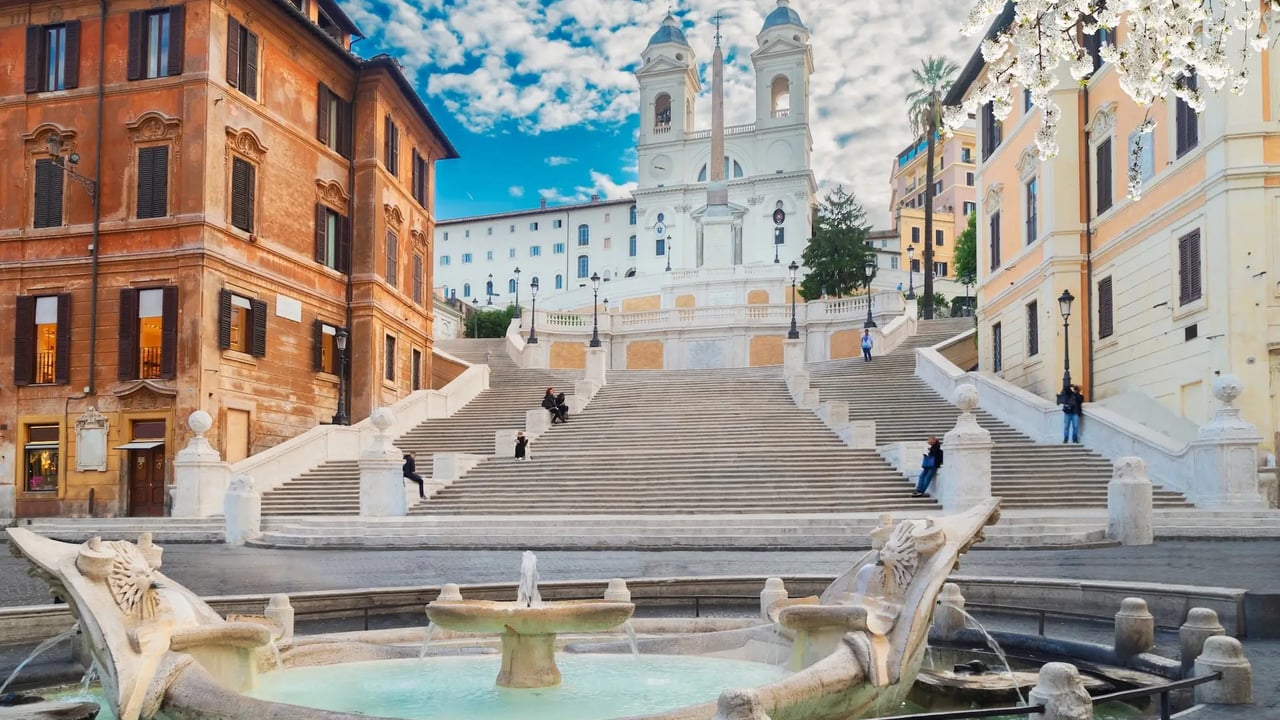
Everything You Need Before Visiting the Spanish Steps
Few places feel as cinematic as these famous stairs. Get clear directions, smart timing advice to avoid crowds, and a practical checklist for shoes, water, and weather. You’ll also find myth-filled trivia, accessibility notes, plus options for guides or audio tours and quick FAQs.