Hours And Schedule
Closes In 2h 17m
Opening Hours
Important Notes
Entry to the Basilica is free of charge. Opening times may change for liturgical celebrations or special events; check posted notices at the entrance on arrival.
Visit Timing
Best Time To Go
The basilica is generally quietest early in the day, making it easier to appreciate the interior, chapels, and artwork without crowding. Morning light can also be more flattering for viewing and photographing the façade and the piazza before tour groups build up.
Aim to arrive a few minutes before opening so you enter with the first wave. If you’re also visiting the nearby Lateran Baptistery and the Scala Sancta (Holy Stairs), doing all three in the morning minimizes backtracking and avoids midday congestion.
Seasonal Guide
These shoulder seasons typically offer the best balance of comfortable temperatures, pleasant light, and lower crowd pressure than peak summer. They’re also ideal for walking between nearby sites in the Lateran area without the intense heat common in July - August.
Climate: April - May and September - October are usually mild to warm with fewer extreme heat days; expect occasional rain showers, especially in spring and autumn, so having a light rain layer helps.
For a more scenic approach, these periods often provide clearer, softer daylight and more comfortable conditions in the surrounding piazzas. Winter (November - February) can also be a good low-crowd option, but it’s cooler, can be wetter, and daylight hours are shorter.
Peak hours
Packing Guide
By Season
Extra Tips
Top activities
How to Get There
The Basilica of San Giovanni in Laterano (Archbasilica of St. John Lateran) is located in Rome’s San Giovanni district (Rione XV, Appio-Latino), on Piazza di San Giovanni in Laterano, just inside the line of the ancient Aurelian Walls and a short walk from the Lateran Gate (Porta San Giovanni). It sits in a historically significant area that links imperial Rome with early Christian and papal Rome, making it a distinctive part of the city compared with the more tourist-crowded historic center. Nearby, you’ll find several major points of interest within easy walking distance: the Lateran Palace (historical papal residence) adjacent to the basilica; the Scala Sancta (Holy Stairs) and the Sancta Sanctorum across the street; Piazza Vittorio Emanuele II and the Esquilino neighborhood to the north; and the Colosseum and Roman Forum area to the west (reachable in a longer but straightforward walk). Also close are important pilgrimage sites such as the Basilica of Santa Croce in Gerusalemme and, a bit farther, the Basilica of Santa Maria Maggiore. This area is special because it is one of the key centers of Christian Rome while also sitting amid layers of ancient infrastructure (walls, gates, historic roads) and lived-in Roman neighborhoods. It’s worth visiting not only for the basilica’s immense religious and historical importance - San Giovanni in Laterano is the cathedral of the Diocese of Rome and the ecclesiastical seat of the Pope - but also because the surrounding Lateran complex offers a concentrated experience of Rome’s sacred heritage without the constant congestion found around many central monuments.
Local Legends
A classic, lighthearted visitor tale says that many travelers arrive thinking St. Peter’s is the main cathedral of Rome - then the Lateran Basilica quietly steals the show. Guides enjoy watching the moment of surprise when people learn that San Giovanni in Laterano is officially the cathedral of the Bishop of Rome, and historically the senior church of the city. The myth-like part is the playful idea that the basilica "keeps its title secret" until you stand in front of it and read the grand inscription.
Background
This story grows from a real fact (its official status) paired with modern expectations shaped by the fame of Vatican City. Over time, the recurring visitor reaction turned into a cheerful, repeatable anecdote shared by guides and locals.
Impact On Visitors
It adds a delightful "plot twist" to a Rome itinerary and makes the visit feel like discovering an insider secret - many guests leave feeling they’ve found something important that others overlook.
Additional Details
A fun way to experience this is to look for the façade inscription and then step inside: the scale, symmetry, and ceremonial feel make the title "Mother and Head" feel less like a slogan and more like a personality.

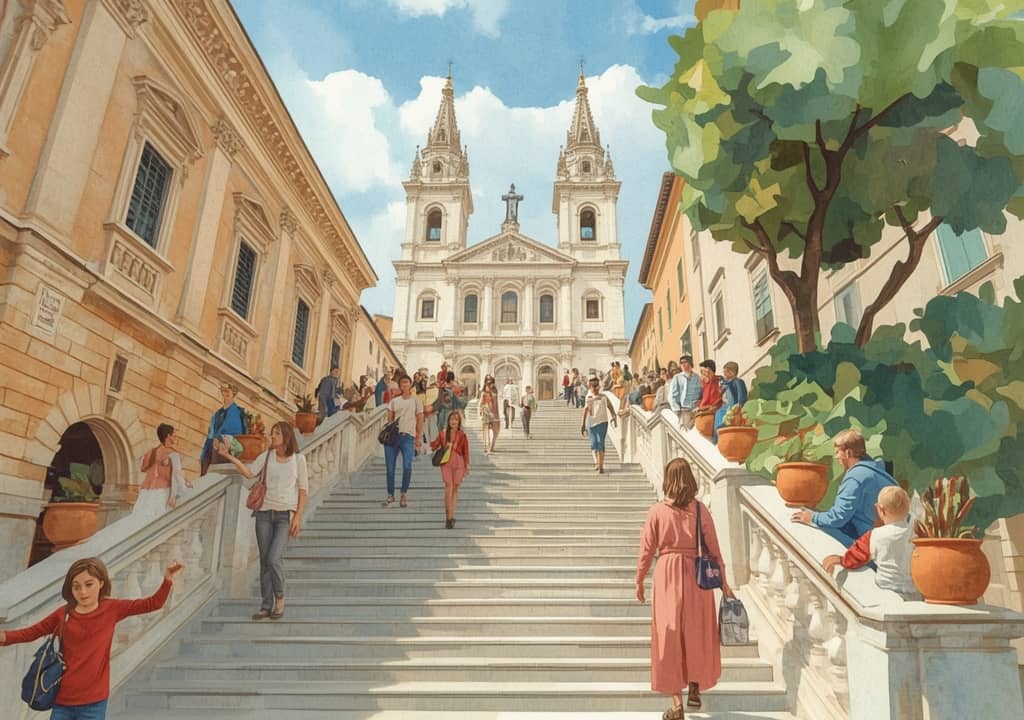
Near the basilica, the Scala Sancta (Holy Stairs) inspires a gentle, family-friendly tradition: visitors often challenge themselves to go step-by-step with extra care and focus. A friendly rumor says the stairs have a way of making even chatty tour groups suddenly quiet, as if the place politely asks everyone to slow down. The amusing part is the shared human scene: people start with big intentions, then discover that patience and balance become the real adventure.
Background
The stairs are famous for centuries of devotion and pilgrimage. Over time, the repeated behavior of visitors - trying it, encouraging each other, and emerging impressed - became a kind of living legend attached to the site.
Impact On Visitors
It creates a memorable mini-ritual that feels personal. Even visitors who are not there for religious reasons often enjoy the atmosphere of calm determination and the sense of taking part in a long-standing custom.
Additional Details
People often compare notes afterward - who managed the slowest, steadiest pace, who underestimated the effort, and who discovered that the real reward is the shared experience rather than any record.
A playful local-style story treats the Lateran Obelisk as if it were a huge bookmark that someone moved from one chapter of Rome to another. It originally came from Egypt and was later set up in Rome; visitors love the idea that the city collects impressive objects the way a traveler collects souvenirs - only on a grand scale. The humorous twist is imagining ancient planners "redecorating" with a monument so tall that it still looks like it belongs in a parade of superlatives.
Background
The obelisk’s documented journey across time and space naturally invites imaginative retellings. Guides and writers often use the "traveling monument" theme to make the history easier to remember.
Impact On Visitors
It makes the obelisk feel less like a static object and more like a character with a long travel itinerary. Tourists often remember this stop because it connects Rome to faraway places in a fun, simple image.
Additional Details
A good visitor game is to estimate its height before looking it up, then compare guesses - many people are surprised by how dominant it is in the square once they start paying attention.

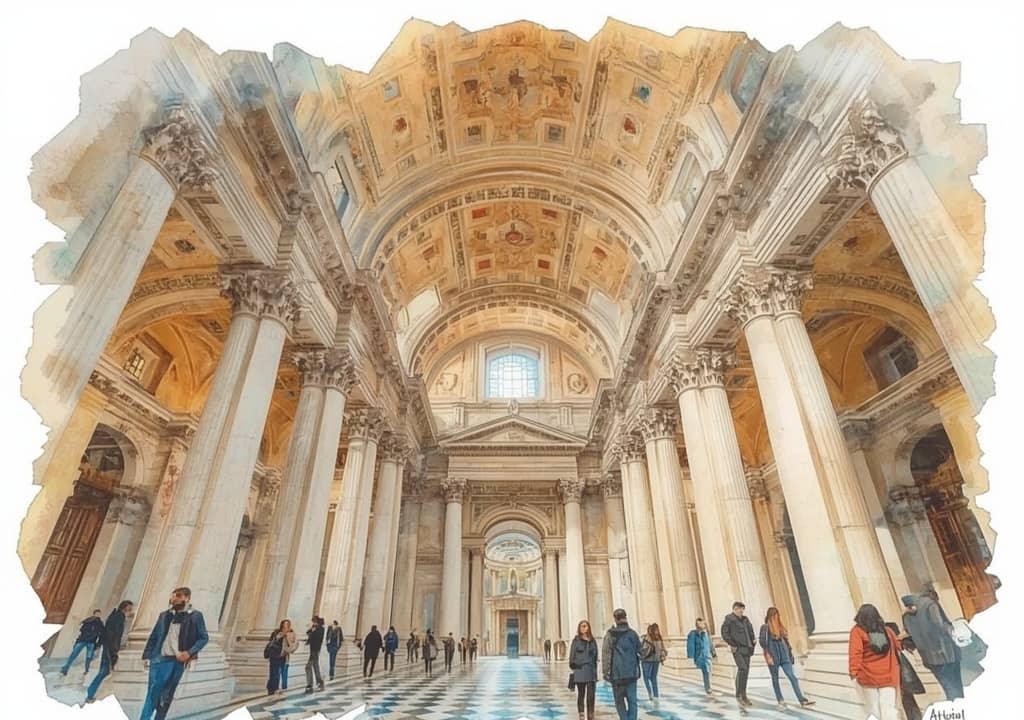
A gentle, modern bit of visitor folklore says that San Giovanni in Laterano has a way of making quiet wishes feel more real. People will pause, say a small hope to themselves, and walk out feeling oddly energized - like the building reflected their intention back to them. It’s not presented as magic so much as a charming effect of the vast interior, the orderly spaces, and the sense of history that makes personal thoughts feel important.
Background
Big historic interiors often generate this kind of story: travelers notice how their mood shifts inside monumental spaces, then describe it to friends in a memorable, almost fairy-tale way. Over time, it becomes a repeatable “this place does that” legend.
Impact On Visitors
It encourages a slower, more attentive visit and gives families and couples a sweet, shared moment - many people leave with a positive association that goes beyond photos.
Additional Details
Visitors who enjoy this myth often pick one architectural detail - like a statue, a ceiling panel, or a long aisle - as their “wish marker,” then check in with themselves afterward to see if they feel calmer or more focused.
Frequently Asked Questions
It is Rome’s cathedral (the seat of the Pope as Bishop of Rome) and the oldest of the four major papal basilicas, often called the “Mother of all churches.”
It’s in the Lateran area, southeast of the Colosseum. Easiest access is Metro A to San Giovanni station, then a 5 - 10 minute walk. Many buses also stop at Piazza San Giovanni in Laterano.
The basilica is generally free to enter, but times can vary due to liturgies and events. The adjacent Lateran Cloister and museum areas usually require a ticket; check the official site or signage on the day for current hours and prices.
Go early in the morning on weekdays or mid-afternoon (outside Mass times). Weekends and religious holidays are busier and may have restricted access.
Spring (April - May) and autumn (September - October) offer pleasant weather and lighter crowds than peak summer. In summer, visit earlier to avoid heat and tour groups.
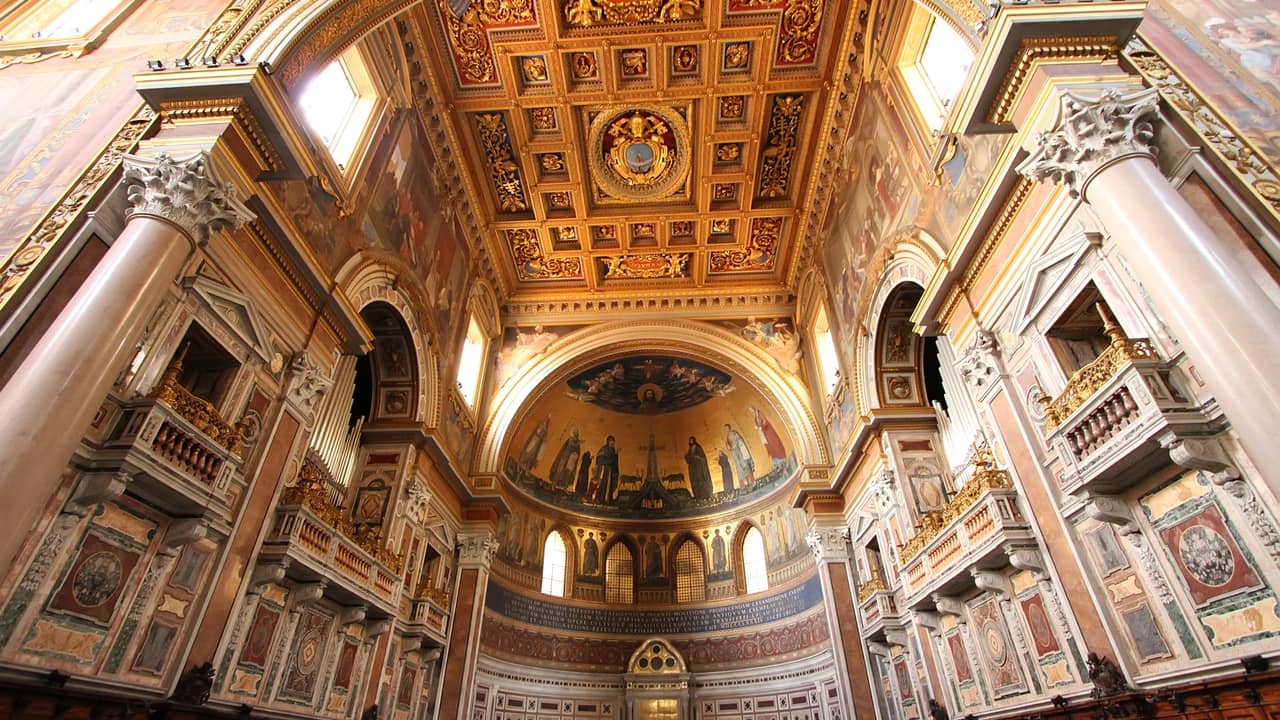
Look for the monumental façade, the nave with the Apostles statues, the ornate ceiling, the papal altar and baldachin, the apse mosaic (reworked over centuries), and the Holy Door (opened in Jubilee years).
Yes - if time allows, the Lateran Cloister is a calm, beautiful add-on. Nearby are the Scala Sancta (Holy Stairs) and the Baptistery of St. John Lateran, both within a short walk.
A good half-day route is Colosseum/Forum area → walk or short transit to San Giovanni in Laterano → Scala Sancta → Lateran Baptistery. You can continue via Metro A toward the historic center (e.g., Spanish Steps).
Yes. Dress modestly (shoulders covered; avoid very short shorts/skirts). Keep voices low, don’t use flash during services, and be prepared for security checks.
Bring a light layer (interiors can feel cool), water in warm months, comfortable walking shoes, and a small amount of cash/card for cloister tickets or donations. Consider a guidebook or audio guide for context.
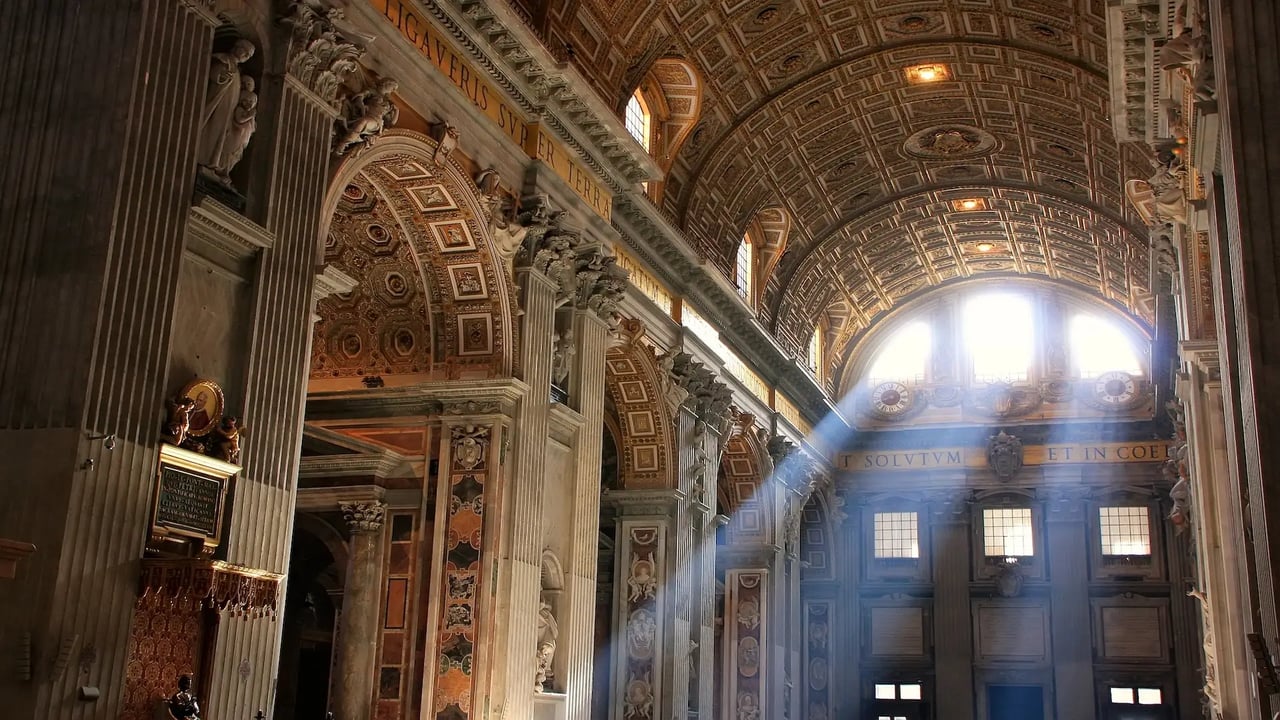
Rome’s major basilicas worth pairing together
Ancient Rome landmarks close enough to combine
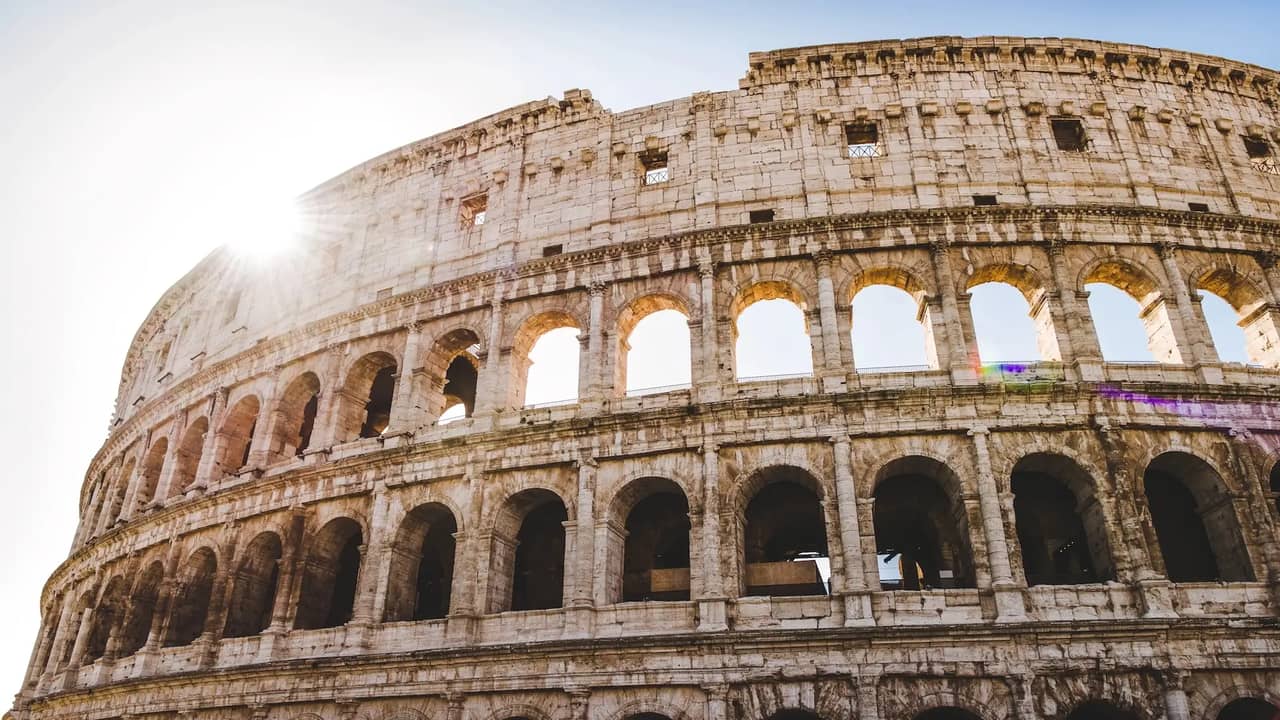
Everything You Need Before Visiting the Colosseum
Few places make ancient history feel this close. Use this article to pinpoint entrances, map the easiest routes from key transit stops, and choose the best hours to avoid peak crowds. Get packing pointers, accessibility details, plus guidance on guided tours or audio options and quick FAQs.
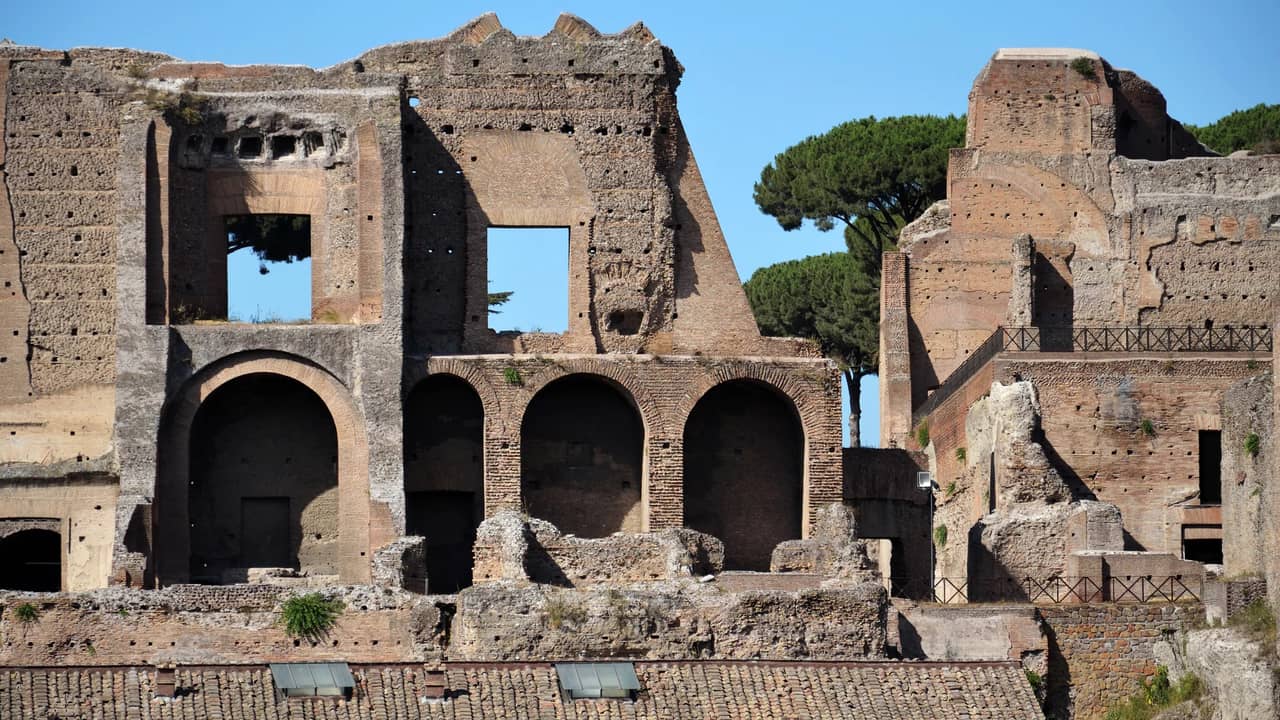
Everything You Need Before Visiting Circus Maximus
Feel history under open sky where chariots once thundered. This article covers where the site sits, ideal seasons, what to pack, and easy access details. You’ll also get myth-filled anecdotes, tips on audio tours or local guiding, plus quick FAQs to streamline your stop.
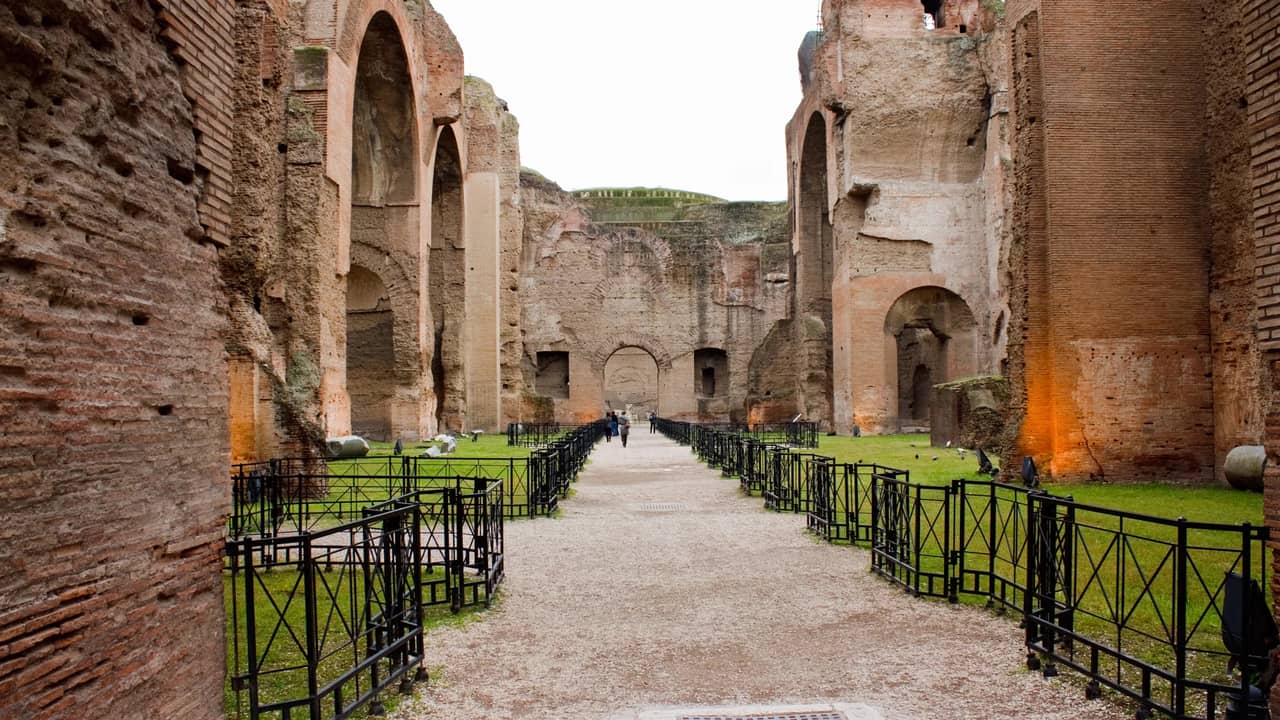
Everything You Need Before Visiting Caracalla Baths
Step into a colossal ancient complex where echoes of imperial leisure still linger. Get clear directions, opening hours, and the smartest time to go, plus what to pack for sun and uneven stone. Learn about accessibility, on-site audio options, quick FAQs, and a few myths to share afterward.