Hours And Schedule
Opens At 00:00
Opening Hours
Special Hours
Important Notes
Last entry is typically 60 minutes before closing. Some areas (e.g., underground/Mithraeum) may require separate access or be available only on specific guided visits. Tickets can usually be purchased on-site and online; timed-entry or reservation requirements may apply during peak periods or special events.
Visit Timing
Best Time To Go
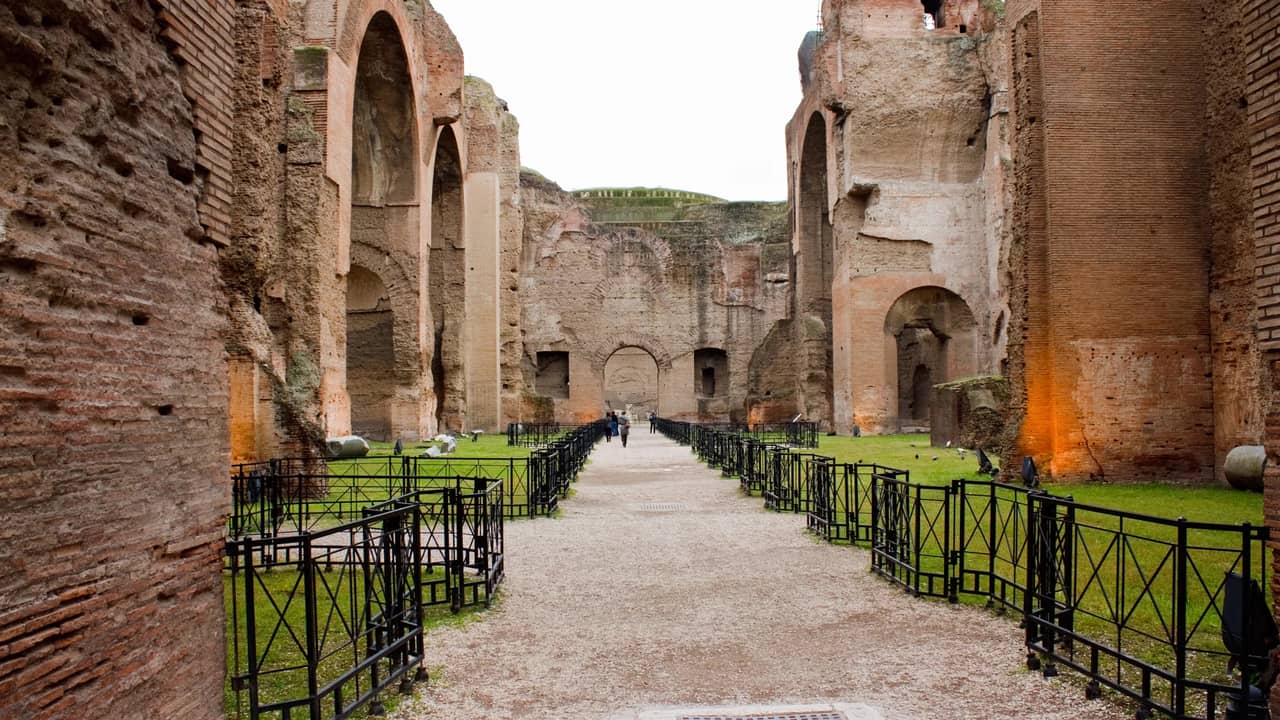
The Baths of Caracalla are largely open-air ruins with limited shade, so mornings are cooler, the light is softer for photos, and the site is noticeably quieter before tour groups arrive.
Aim to arrive 10 - 15 minutes before opening to be among the first in. You’ll have a more relaxed walk through the vast complex (pools, vaults, mosaics) before midday heat and crowds build.
Seasonal Guide
These shoulder seasons typically combine comfortable temperatures with good visibility and pleasant light, while avoiding the most intense summer heat and the peak of high-season crowding.
Climate: Spring and autumn are generally mild-to-warm with lower heat stress than summer; summer (June - August) can be very hot in the open areas; winter is cooler and can be damp, with shorter daylight but fewer visitors.
For the most scenic atmosphere, choose sunny spring/autumn days: warm but not oppressive, with clearer skies and better contrast on brickwork and mosaics. Summer visits are best limited to early morning (or late day if an evening event is scheduled) to avoid heat exposure on the largely unshaded grounds.
Peak hours
Packing Guide
By Season
Extra Tips
Tours And Guides
Baths of Caracalla is an archaeological site where guided visits are commonly offered through licensed guides and tour operators. On-site audio guide availability and languages can change; the most reliable way to confirm current languages/prices is to check the add-ons during official/authorized ticket purchase and/or ask at the on-site ticket office on the day of visit.
Expert Guides
How to book Most commonly booked in advance via licensed tour operators’ websites or through official/authorized ticketing partners. On-site ad-hoc hiring is not reliably available; advance booking is recommended.
Audio Tours
Typically obtained on-site at the ticket office/entrance (subject to availability) and/or selected as an add-on when purchasing tickets via the official/authorized online ticketing channel. Availability can be limited; check current options at purchase/arrival.
App Guides
Online Experiences
Third-party virtual tours and 360°/video guided experiences are available online. Availability, languages, and pricing depend on the provider (some free previews; paid full tours possible).
Top activities
How to Get There
The Baths of Caracalla (Terme di Caracalla) are located in Rome, Italy, in the district (rione) of San Saba, immediately southeast of the Aventine Hill and just outside the line of the ancient Servian Wall. The complex sits along Via delle Terme di Caracalla, close to the broad green area of the Parco Archeologico dell’Appia Antica corridor where the city begins to open into Rome’s famed archaeological landscape. Notable places nearby include the Circus Maximus (to the northwest), the Palatine Hill and the Colosseum area (a short distance further north), the Basilica of San Saba and the Aventine’s viewpoints and gardens (nearby uphill), and the start of the Appian Way (Via Appia Antica) and the Aurelian Walls/Porta San Sebastiano area (to the south). The site is also near the Tiber-side Trastevere zone across the river (west), reachable with a short ride. This part of Rome is special because it concentrates monumental ancient infrastructure - imperial leisure architecture, large-scale urban planning, and key archaeological routes - while remaining less congested than the historic core around the Trevi - Pantheon axis. It is worth visiting for the Baths themselves (among the best-preserved and most imposing imperial bath ruins in Rome), for the sense of scale of ancient Roman engineering, and for the ease of combining the visit with major highlights like the Circus Maximus, the Aventine Hill, and an onward walk or bike ride toward the Appian Way’s iconic ancient road, tombs, and countryside atmosphere.
Local Legends
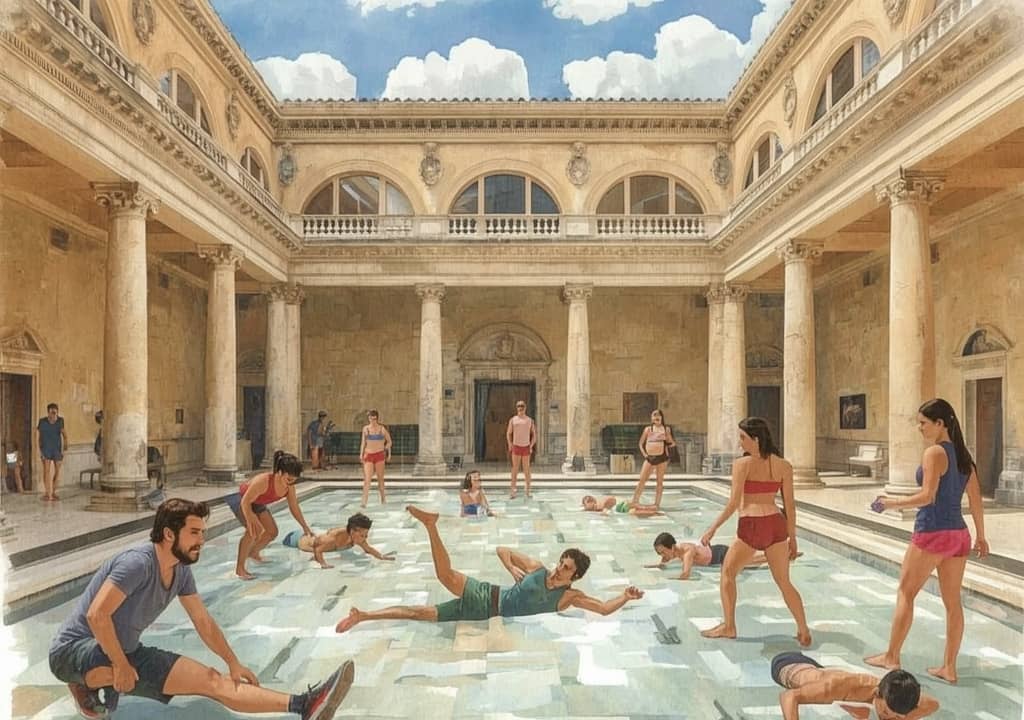
Visitors love imagining the Baths as Rome’s most ambitious “wellness center,” where athletes trained on floors decorated with lively black-and-white mosaics. A popular playful rumor says the mosaic figures look like they’re still mid-workout, as if the building simply paused for a break and might reopen any minute. Guides sometimes point out poses that resemble modern exercises, which sparks a lot of amused comparisons and photo poses.
Background
The Baths include famous mosaic floors (often described as showing athletic scenes). Over time, tour commentary and guidebook captions encouraged the idea of a timeless sports club, turning the mosaics into a visual “conversation” with the present.
Impact On Visitors
Encourages families and groups to look closely at the floor designs, try to “match” the poses, and see the ruins as a lively, social place rather than a silent monument.
Additional Details
To make it memorable, some guides invite guests to pick a favorite mosaic “move” and then imagine the soundscape: splashing water in nearby halls, friendly chatter, and the echo of footsteps on stone - turning a quiet visit into a playful time-travel scene.
A lighthearted on-site tradition is the “whisper test”: friends stand apart in the vast chambers and try speaking softly to see how the acoustics carry. The amusing myth says the Baths were designed so that even a quiet comment could glide across the room - perfect for sharing gossip, jokes, or compliments without raising your voice.
Background
The Baths’ enormous vaulted spaces naturally create surprising echoes and sound carry. Over generations, visitors turned that architectural effect into a playful story about clever Roman design for effortless conversation.
Impact On Visitors
Gets people interacting with the architecture in a simple, family-friendly way and makes the scale of the ruins feel personal and fun.
Additional Details
People often experiment with where to stand - near corners, along curved walls, or under remaining arches - then laugh at how some spots seem to amplify a voice while others swallow it.
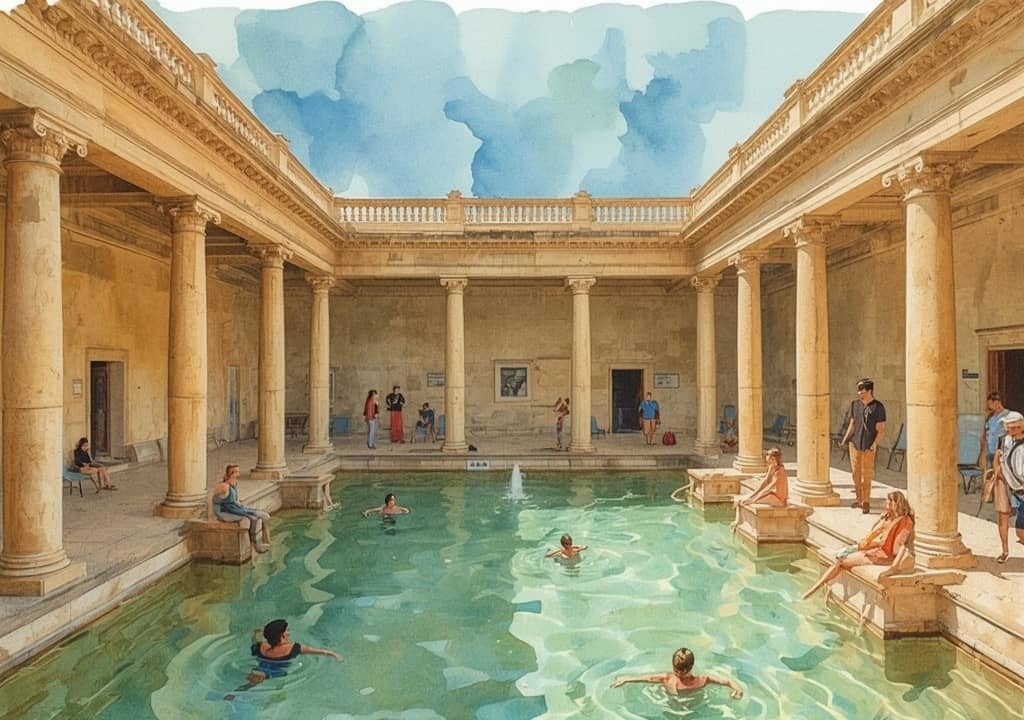
A cheerful “recycling” rumor claims the Baths became a kind of treasure chest of building parts after antiquity, with columns, stones, and decorative fragments traveling to new homes across the city. In the playful version of the tale, Romans treated the Baths like a giant box of spare parts - mix-and-match pieces for future projects - so a little bit of Caracalla might be “hiding in plain sight” elsewhere.
Background
It’s well known that ancient structures in Rome were often quarried for materials in later periods. Over time, that practical history evolved into an entertaining scavenger-hunt idea for visitors.
Impact On Visitors
Transforms the ruins into the starting point of a citywide game: people leave imagining they’ll spot “a piece of Caracalla” while walking around Rome.
Additional Details
Some guides frame it as an architectural “passport”: the Baths didn’t just stay in one place - its materials and inspiration “traveled,” helping build the layered look of Rome over centuries.
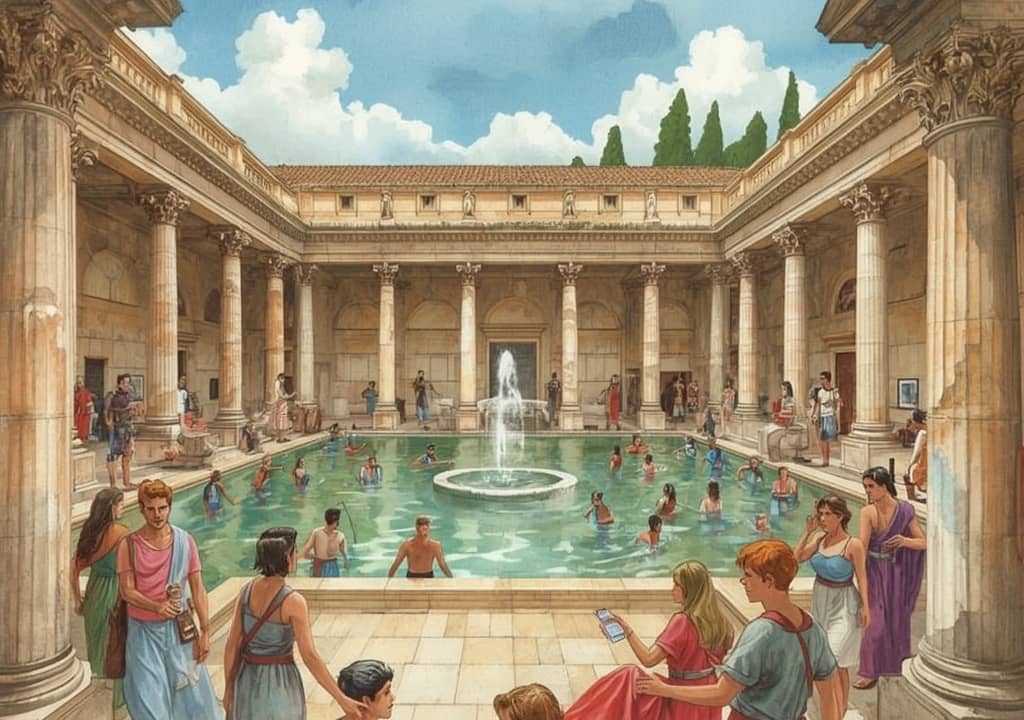
Because the Baths have hosted performances in modern times, a friendly local tale says the ruins have a talent for turning any visitor into a performer: step into a grand hall, gesture dramatically, and suddenly you feel like you’re in an epic scene. The myth claims the arches and open sky act like a natural spotlight, encouraging even shy tourists to strike a pose and enjoy the moment.
Background
The site’s monumental spaces and later use as a performance venue inspired the idea that the Baths “want” to be a stage. Visitor behavior - posing, projecting a voice, pretending to deliver lines - kept the story alive.
Impact On Visitors
Invites playful engagement, memorable photos, and a sense of wonder without needing any specialized knowledge - great for families and first-time visitors.
Additional Details
A common twist is the “one-line show”: each person in a group invents a single grand sentence (a compliment to Rome, a silly proclamation, or a dramatic greeting) and delivers it under an arch for laughs and applause.

Frequently Asked Questions
A vast 3rd‑century AD imperial bath complex (Thermae Antoninianae) with monumental ruins, mosaics, and underground service areas that show how ancient Roman public baths worked.
Go early in the morning on weekdays or in the last 1 - 2 hours before closing. In summer, choose morning or late afternoon for cooler temperatures and better light for photos.
Plan 60 - 90 minutes for the main complex; 2 hours if you want to explore the underground areas and read displays at a relaxed pace.
Common options are Metro B to Circo Massimo then a short walk, or multiple buses that stop along Viale delle Terme di Caracalla. Walking from the Colosseum area takes roughly 20 - 30 minutes.
Start at the main entrance, do a loop through the central halls (frigidarium/tepidarium/caldarium areas), then continue to the outer palestra and garden zones; finish with the underground passages if open to visitors.
The towering central halls, surviving floor mosaics, the huge vaulted spaces that reveal the bath layout, and the underground service corridors where furnaces, storage, and logistics were managed.
Wear comfortable walking shoes (uneven ancient surfaces). Bring water, sun protection (hat/sunscreen) in warm months, and a light layer in cooler seasons; a phone/camera with space for wide-angle photos helps.
Kids usually enjoy the scale and open spaces. Surfaces can be uneven and some areas include steps; accessibility varies by route and any underground sections, so check current access info and choose the most level paths.
Pre-booking is recommended in peak season or weekends to reduce waiting. A guided tour (or audio guide) helps you understand the original bath functions and identify what you’re seeing among the ruins.
Good combos include Circo Massimo and the Aventine Hill (Orange Garden and the keyhole view), or a longer walk to the Colosseum/Palatine area for a full Ancient Rome day.
Colossal ancient sites a short hop away
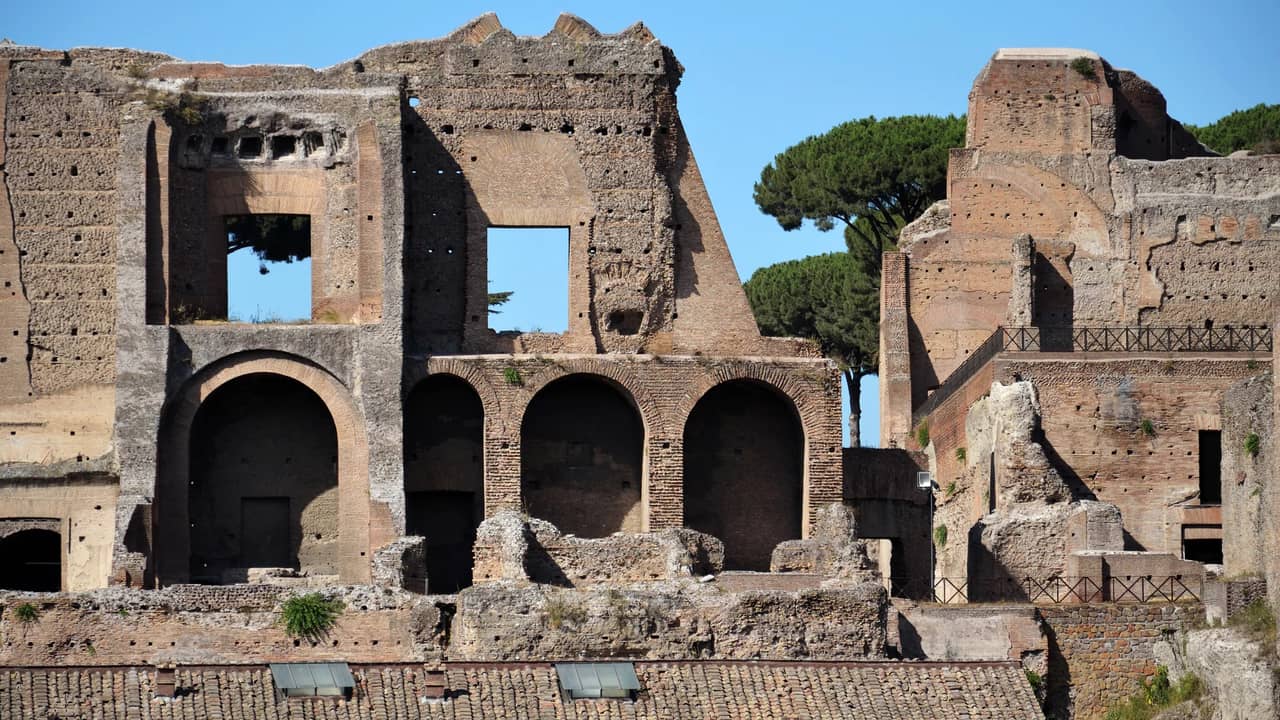
Everything You Need Before Visiting Circus Maximus
Feel history under open sky where chariots once thundered. This article covers where the site sits, ideal seasons, what to pack, and easy access details. You’ll also get myth-filled anecdotes, tips on audio tours or local guiding, plus quick FAQs to streamline your stop.
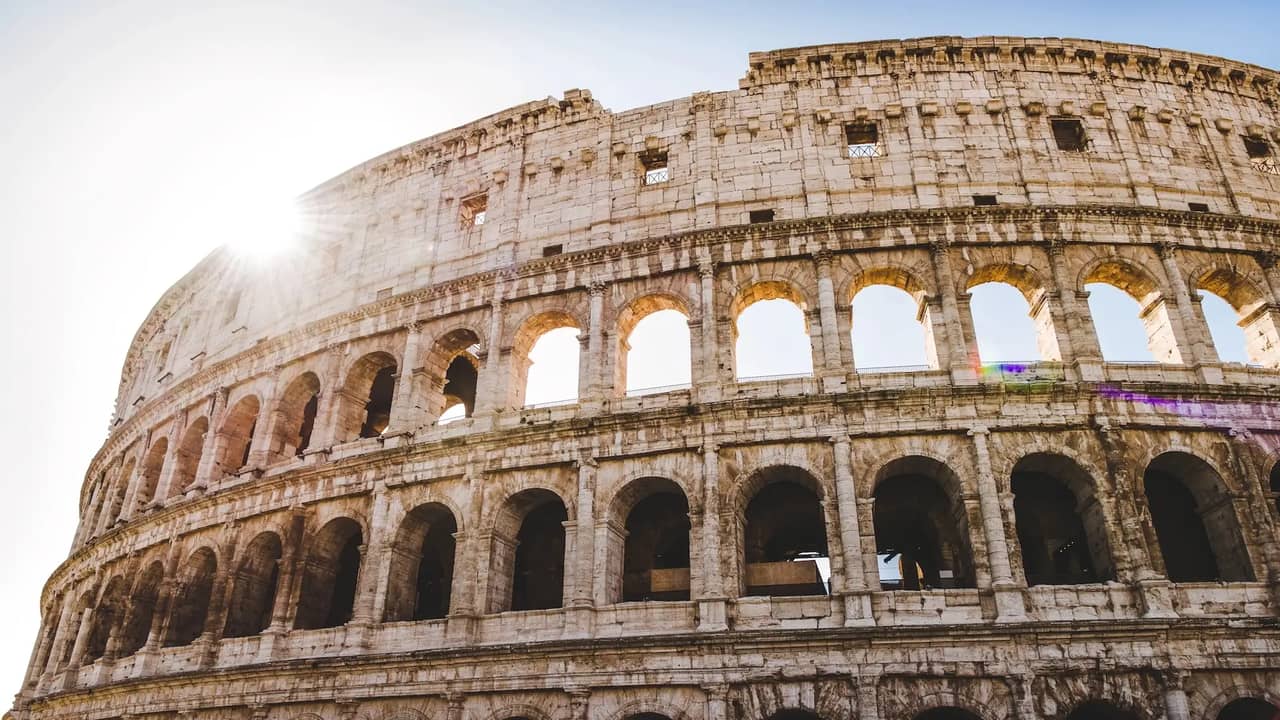
Everything You Need Before Visiting the Colosseum
Few places make ancient history feel this close. Use this article to pinpoint entrances, map the easiest routes from key transit stops, and choose the best hours to avoid peak crowds. Get packing pointers, accessibility details, plus guidance on guided tours or audio options and quick FAQs.
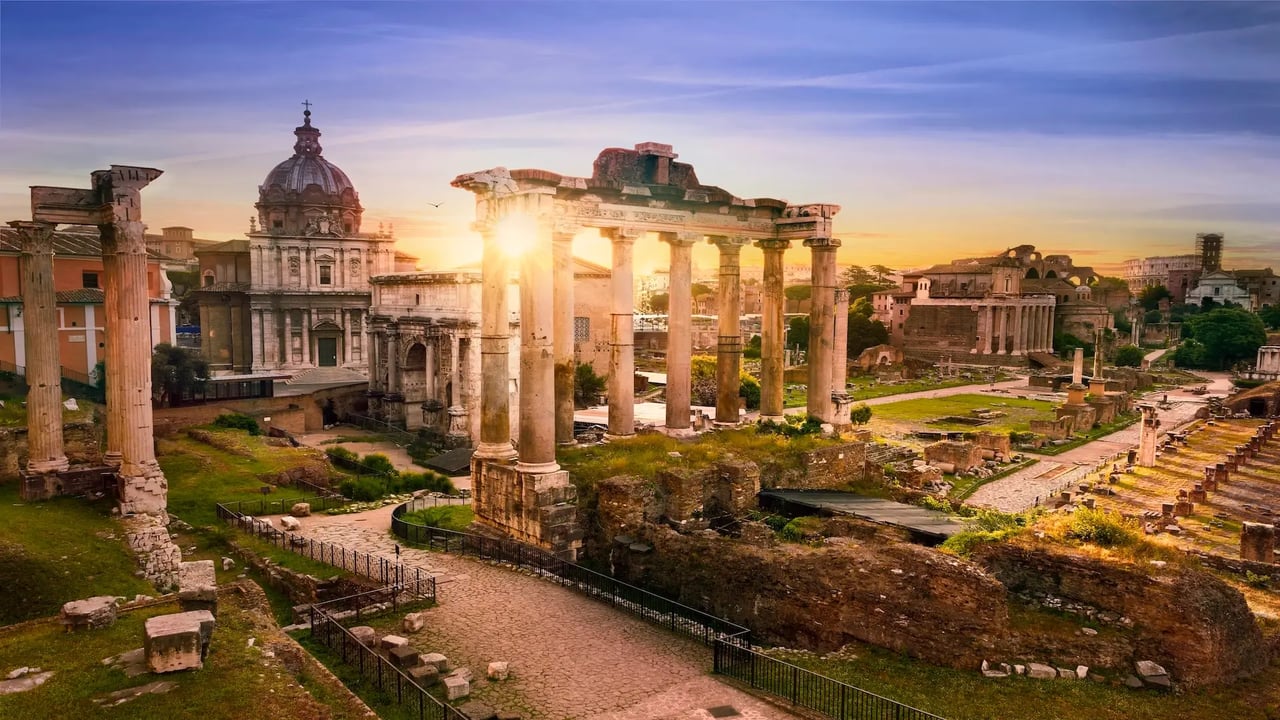
Everything You Need Before Visiting the Roman Forum
Few places make antiquity feel this immediate. This article explains where the ruins sit, opening hours, ideal seasons, what to bring, and how to handle uneven paving. You’ll also get myth-filled anecdotes, accessibility notes, plus tips on hiring guides or using audio tours.