Visit Timing
Best Time To Go
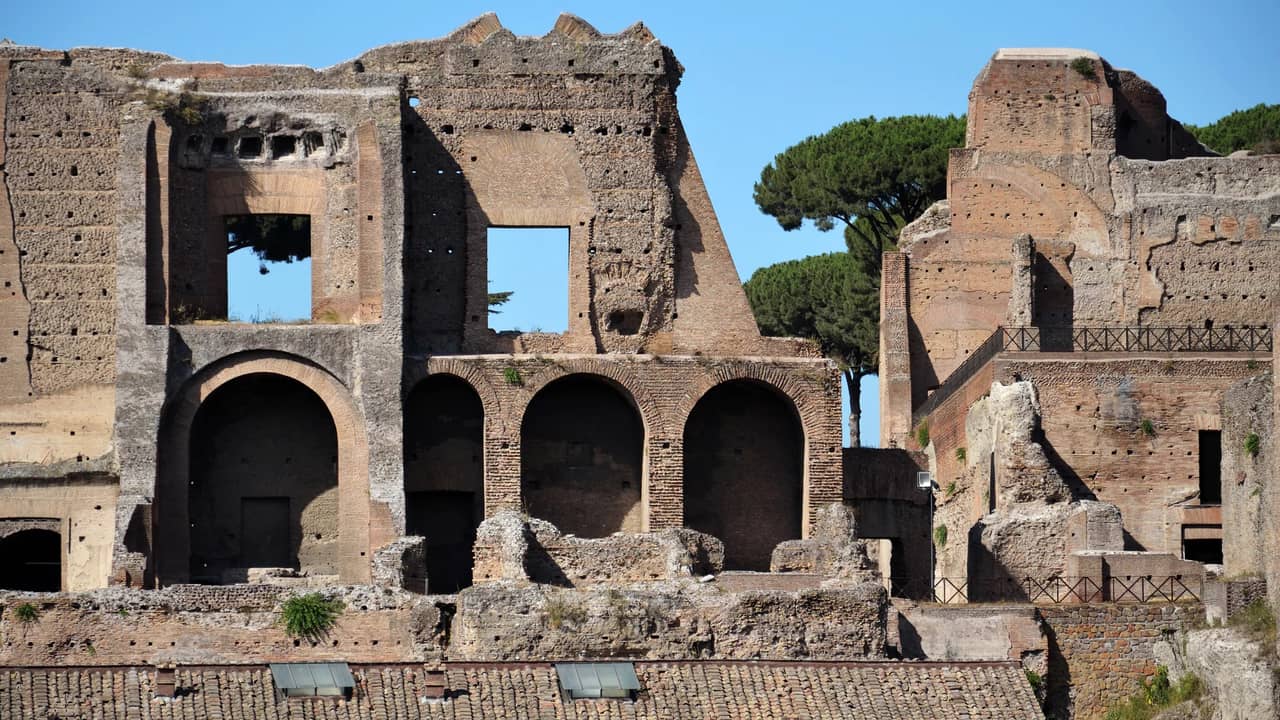
Temperatures are cooler, the open valley of the Circus Maximus offers little shade at midday, and mornings typically have fewer tour groups. Light is also excellent for photos of the Palatine Hill and the surrounding ruins.
Aim for earlier in the window in summer (7:30 - 9:00) to avoid heat and glare. If you want a quieter, more atmospheric visit without crowds, sunrise/very early morning is ideal; just note fewer nearby services (cafés, restrooms) may be open.
Seasonal Guide
These shoulder seasons balance comfort and scenery: pleasant walking temperatures, clearer skies than winter, and generally lighter crowds than peak summer. The long, open site is easiest to enjoy when it’s not hot, and the surrounding greenery is at its most attractive in spring.
Climate: Spring/Fall: mild days, cooler mornings/evenings; occasional rain showers. Summer (June - August): hot, strong sun with limited shade. Winter (December - February): cooler and sometimes damp; shorter daylight, but fewer visitors.
For the most scenic feel, choose spring after rains when grass is greener and visibility is crisp. In winter, the tradeoff is comfort depends on wind and rain; however, it can be notably calm and uncrowded.
Peak hours
Packing Guide
By Season
Extra Tips
Tours And Guides
Circus Maximus today is largely an open public space/archaeological area without a permanent, always-available official on-site audio-guide rental desk like some museums. Visitors commonly use (1) licensed guides booked in advance, (2) app-based audio guides, or (3) occasional dedicated multimedia/VR ‘Circus Maximus Experience’ products that may include narrated/immersive content and require online booking. Prices and language availability vary substantially by operator and whether the paid immersive installation is operating at the time of the visit.
Expert Guides
How to book Usually booked online in advance through licensed tour operators (e.g., walking tours that include Circus Maximus/Palatine/Aventine) or by hiring a licensed guide via Rome guide associations/booking platforms. On-site, Circus Maximus generally does not function as a dedicated ticketed attraction with an official guide desk for the open area.
Audio Tours
Not reliably available as a standard, always-on on-site rental for the open-air Circus Maximus area. Audio narration is typically obtained either (a) as part of a dedicated paid multimedia/VR visit product when scheduled/operating (booked online, sometimes with on-site check-in/pickup at the event’s entrance/checkpoint), or (b) via third-party mobile audio guide apps purchased/downloaded online.
App Guides
Online Experiences
Virtual/VR-style tours are intermittently offered as dedicated ‘experience’ products (time-limited installations) and are also available via third-party online virtual tour providers; format and availability depend on the operator and season.
Top activities
How to Get There
Circus Maximus (Circo Massimo) is located in central Rome in the valley between the Palatine Hill and the Aventine Hill, immediately south of the Roman Forum area. Administratively it lies in the historic district (rione) of Ripa, one of Rome’s oldest neighborhoods along the Tiber-side of the ancient city. Nearby landmarks and notable places include: - Palatine Hill (to the north/northeast), with extensive imperial palace ruins and viewpoints over the Forum. - The Roman Forum and Colosseum area (a short walk north), the core monumental zone of ancient Rome. - Aventine Hill (to the south/southwest), known for quieter streets, churches, and panoramic spots. - The Mouth of Truth (Bocca della Verità) and Santa Maria in Cosmedin (northwest, near the river). - Baths of Caracalla (southeast), one of the grandest surviving imperial bath complexes. - Capitoline Hill and Piazza Venezia (northwest), easily reachable on foot. What makes this area special is how it concentrates multiple layers of Rome’s history in a very walkable landscape: the Circus Maximus itself is the vast footprint of Rome’s ancient chariot-racing stadium, framed by two of the city’s most storied hills and close to the political and ceremonial heart of the ancient empire. It’s worth visiting for the scale of the site (its open expanse makes the ancient city’s dimensions feel real), the proximity to major ruins and museums, and the atmosphere - especially at sunrise or sunset - when views to the Palatine and surrounding monuments are particularly striking.
Local Legends
A popular modern tale says that if you walk the length of the old track and quietly count “one lap, two laps, three,” you’ll have extra good luck with travel plans in Rome - especially if you finish by looking back toward the Palatine Hill as if you’ve just “crossed the line.” It’s a playful way visitors turn an open grassy space into an interactive experience.
Background
Because so little of the ancient structure rises above ground today, guides and repeat visitors began inventing simple, cheerful rituals to help newcomers imagine the scale of the arena. The idea spread through tours, blogs, and word-of-mouth as a fun “you can do it too” tradition.
Impact On Visitors
Encourages tourists to explore the entire site on foot and picture the enormous size of the ancient venue, turning a wide field into a memorable, personal moment.
Additional Details
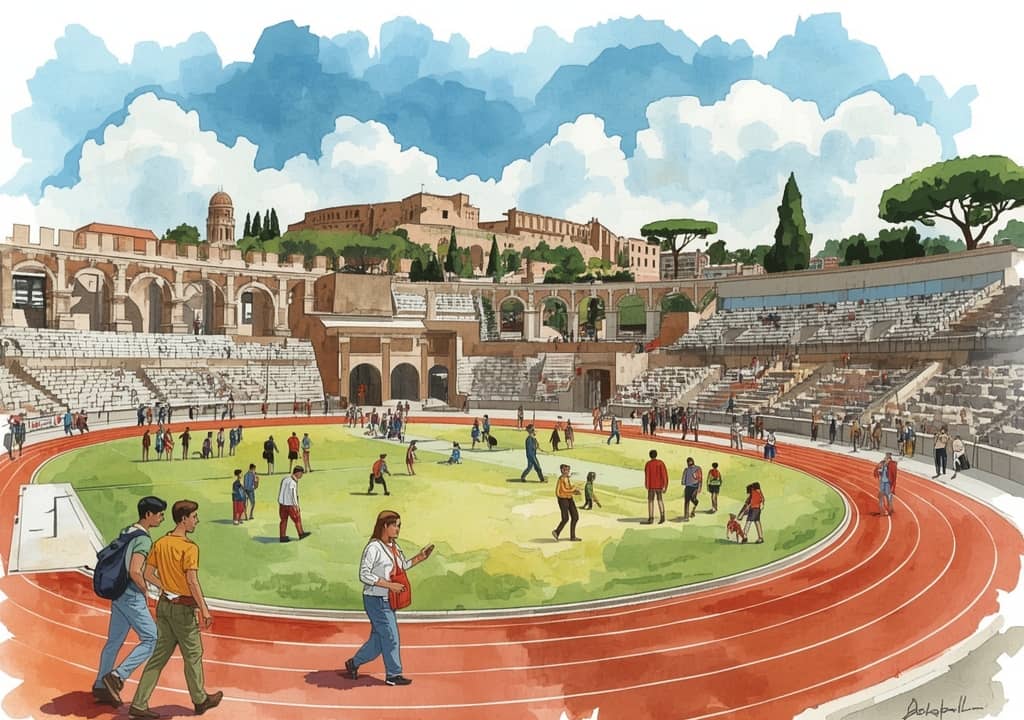
Many families turn it into a game: one person is the “announcer,” another is the “timekeeper,” and everyone pretends the finish is near the gentle curve at the end of the valley.
An amusing rumor told on walks around the area claims the Egyptian obelisks once displayed at the Circus Maximus were so happy there that they “refused to be forgotten,” inspiring Romans to give them new homes in prominent squares. The story is often told as if the obelisks themselves wanted to keep being admired by crowds.
Background
Historically, obelisks did stand at the Circus Maximus before later being moved to other places in Rome. Over time, the true history turned into a charming narrative that gives the stones a “personality,” making the relocations easier to remember.
Impact On Visitors
Helps visitors connect the quiet modern park to famous city landmarks: after hearing it, many people make a point of spotting the obelisks elsewhere and saying they’re “old Circus regulars.”
Additional Details
Guides sometimes turn this into a scavenger-hunt idea: “Meet the Circus obelisks” across Rome, linking the stadium’s history to the rest of the city.

Some locals and tour leaders jokingly claim the long, bowl-like shape of the Circus Maximus “holds onto echoes,” so if you share a happy message or a joke in a normal voice, the valley seems to carry it farther than expected. Visitors often test it by calling to friends across the field and being pleasantly surprised.
Background
The site’s geography - a long, open space between hills - can make voices feel unusually clear depending on where you stand. Over time, that ordinary acoustic quirk became a fun “Circus secret.”
Impact On Visitors
Adds an interactive, family-friendly activity that makes the open space feel special, even without towering ruins.
Additional Details
People sometimes pair it with a photo challenge: one person at the “starting end,” one at the “finish end,” and a shared punchline to see if it carries.

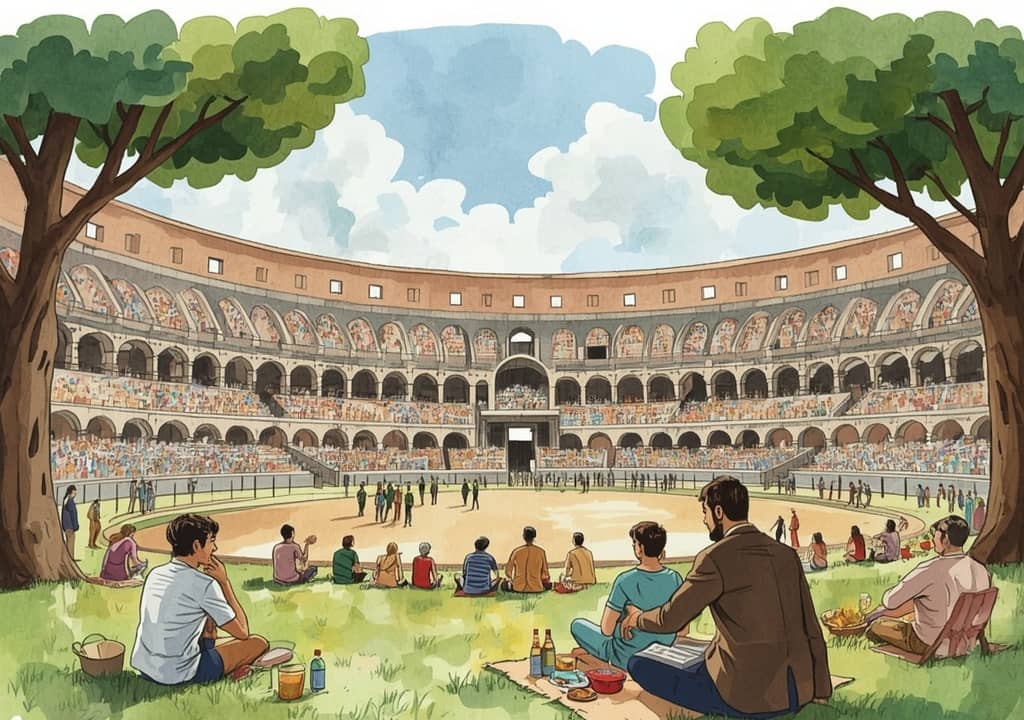
A cheerful modern saying calls the Circus Maximus “Rome’s biggest picnic stands,” imagining today’s relaxed lawn as the friendliest possible audience area - where the only “competition” is whose snack looks most tempting. It’s a humorous contrast to the site’s ancient fame as a place for huge public spectacles.
Background
As the area became a beloved green space for walks and outdoor gatherings, locals started framing it as a welcoming “grandstand” for everyday life. The joke grew as visitors noticed how easily the valley invites people to sit, stroll, and take in the view.
Impact On Visitors
Reframes the landmark as approachable and enjoyable: tourists feel comfortable lingering, imagining the past while enjoying the calm present.
Additional Details
It’s common to hear guides point out that the best “seats” today are simply any spot with a view of the surrounding hills - history with a side of sunshine.
Frequently Asked Questions
The Circus Maximus is an ancient Roman chariot-racing stadium located in the valley between the Palatine and Aventine Hills. Today it’s an open archaeological area where you can appreciate the scale of the original arena.
The outdoor area is generally free to access, but there can be ticketed elements such as temporary exhibitions or experiences (e.g., virtual/immersive tours). Check current arrangements before you go.
The open area is accessible at most times, but any ticketed sections or events have set hours that vary by season and schedule. Verify official hours if you plan a specific activity.
Go early morning for cooler temperatures, fewer crowds, and better photos. Late afternoon near sunset is also pleasant, especially in warmer months.
Spring and autumn are ideal for comfortable walking weather. Summer can be very hot with little shade; winter is quieter but can be cool and occasionally rainy.
The easiest option is Metro Line B to Circo Massimo station, which is a short walk from the site. Several buses also stop nearby along Via del Circo Massimo.
A popular route is: Colosseum/Arch of Constantine → Palatine Hill overlooks → Circus Maximus → Aventine Hill (Orange Garden and keyhole view). Another easy add-on is the Mouth of Truth (Bocca della Verità) area near the Tiber.
Walk the length of the field to grasp the immense size, look for interpretive panels, and enjoy views toward the Palatine Hill. The surrounding viewpoints from the Palatine and Aventine give the best sense of the arena’s layout.
Plan 20 - 45 minutes for a basic walk-through and photos. Allow 60 - 90 minutes if you include a ticketed experience, nearby viewpoints, or a longer stroll to Aventine/Palatine areas.
Bring comfortable walking shoes, water, sun protection (hat/sunscreen), and a light layer in cooler months. Expect limited shade, uneven ground in places, and better results with a map/app or guide to understand what you’re seeing.
Ancient Rome mega-sites around Circus Maximus
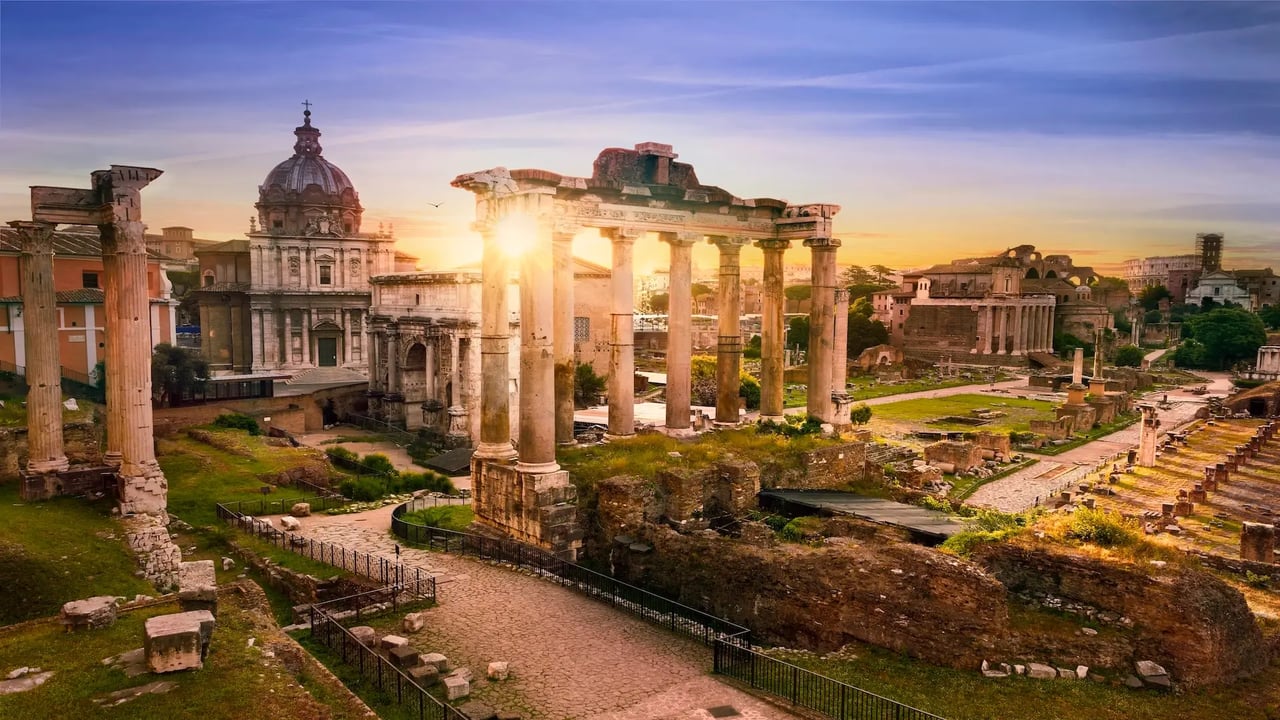
Everything You Need Before Visiting the Roman Forum
Few places make antiquity feel this immediate. This article explains where the ruins sit, opening hours, ideal seasons, what to bring, and how to handle uneven paving. You’ll also get myth-filled anecdotes, accessibility notes, plus tips on hiring guides or using audio tours.
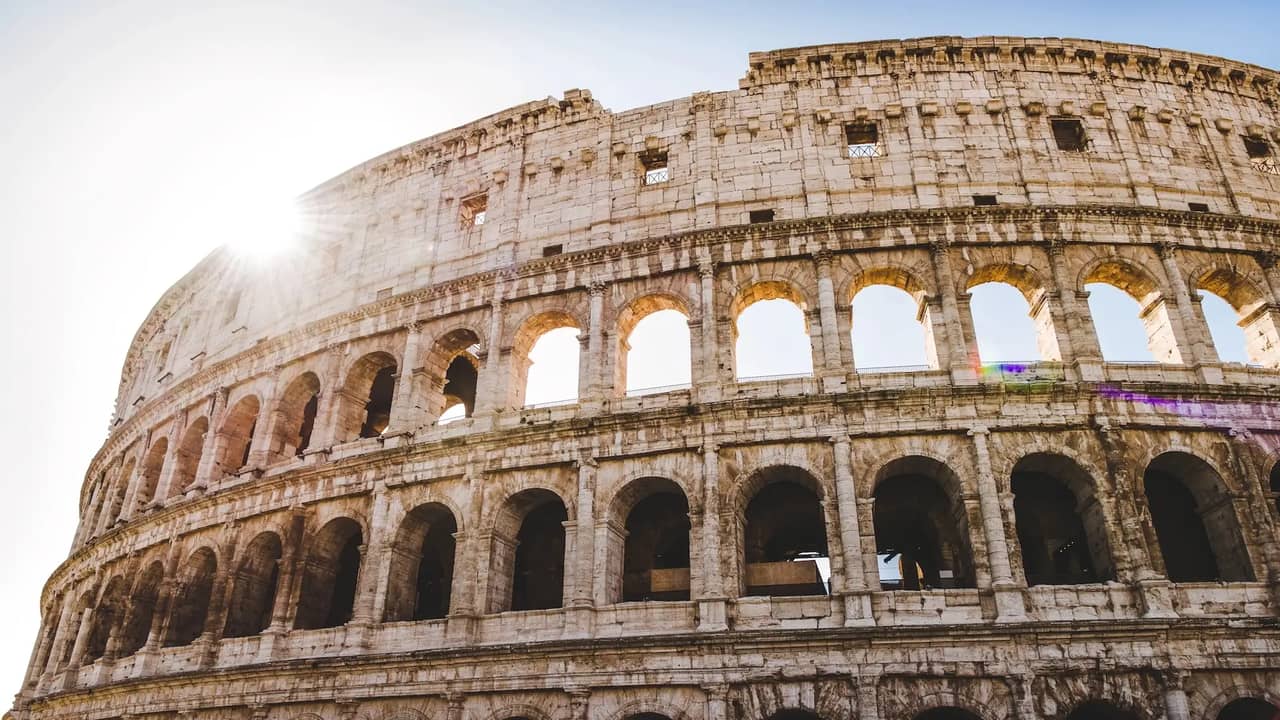
Everything You Need Before Visiting the Colosseum
Few places make ancient history feel this close. Use this article to pinpoint entrances, map the easiest routes from key transit stops, and choose the best hours to avoid peak crowds. Get packing pointers, accessibility details, plus guidance on guided tours or audio options and quick FAQs.
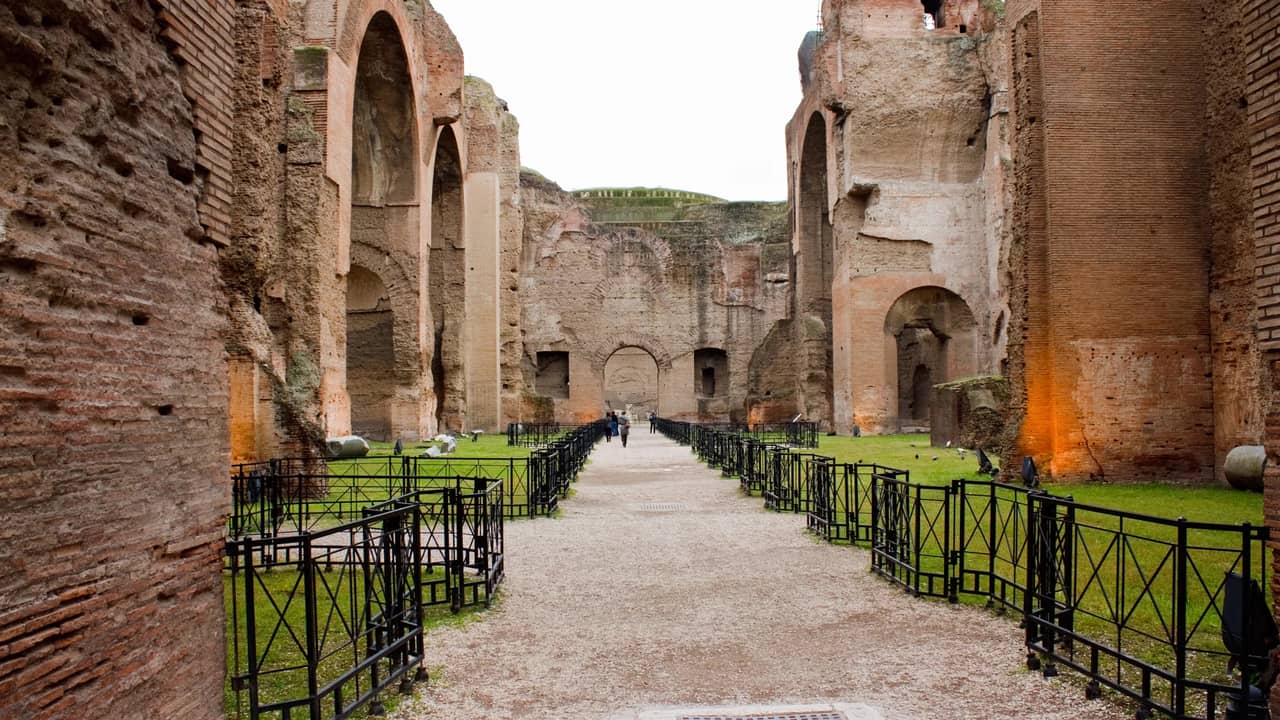
Everything You Need Before Visiting Caracalla Baths
Step into a colossal ancient complex where echoes of imperial leisure still linger. Get clear directions, opening hours, and the smartest time to go, plus what to pack for sun and uneven stone. Learn about accessibility, on-site audio options, quick FAQs, and a few myths to share afterward.