Hours And Schedule
Closes In 3h 19m
Opening Hours
Special Hours
Important Notes
Last admission is 1 hour before closing time. Advance booking may be required for some activities/services and is recommended during peak periods. Tickets can be purchased online or at the on-site ticket office; eligibility-based reductions/free entry may apply with valid documentation.
Visit Timing
Best Time To Go
Arriving at or close to opening is typically the calmest period, with smaller tour groups and shorter security/ticket lines. You can see the highlights (e.g., Marcus Aurelius, Capitoline Venus, major galleries) before mid-day crowding builds and while you’re fresher for a museum-heavy visit.
If you prefer a quieter, more atmospheric visit and the museum is open late on your chosen day, the last 1.5 - 2 hours before closing can also be excellent - day-trippers have often left and the galleries feel less congested. Aim to finish ticketing/security at least 30 - 45 minutes before your target gallery time.
Seasonal Guide
These periods generally balance comfort (milder temperatures for walking to/from Capitoline Hill and nearby sights) with manageable crowd levels compared with peak summer. Spring and autumn also pair well with outdoor time around Piazza del Campidoglio and nearby viewpoints, while winter often brings the lowest museum congestion (aside from Christmas/New Year).
Climate: Spring and autumn are usually mild with occasional rain; winter is cooler and can be wet but is comfortable for indoor museum time; summer (June - August) is hot and can feel crowded, especially mid-day.
For the most scenic overall experience, spring offers pleasant light and comfortable conditions for combining the museum with a walk through central Rome. Autumn offers similarly comfortable temperatures and can feel less hectic after peak season. If your priority is minimal crowds, choose winter weekdays, avoiding late December and early January.
Peak hours
Packing Guide
By Season
Extra Tips
Tours And Guides
Availability, languages, and pricing can change by season and provider. For the most accurate current details (especially audio-guide languages/prices and on-site pickup point), verify on the official Capitoline Museums/Comune di Roma ticketing pages or at the museum ticket office on the day of visit.
Expert Guides
How to book Book in advance via the Capitoline Museums/Comune di Roma ticketing channels or authorized tour operators; private guides and small-group tours are also commonly bookable through major tour marketplaces.
Audio Tours
Typically available on-site at the museum (ticket office/audio-guide desk) as a rental device; may also be selectable as an add-on when purchasing tickets online depending on the sales channel.
App Guides
Online Experiences
Virtual/online experiences are available through third-party platforms and may also be offered intermittently via museum/city cultural initiatives; formats commonly include remote guided visits or prerecorded video tours.
Top activities
How to Get There
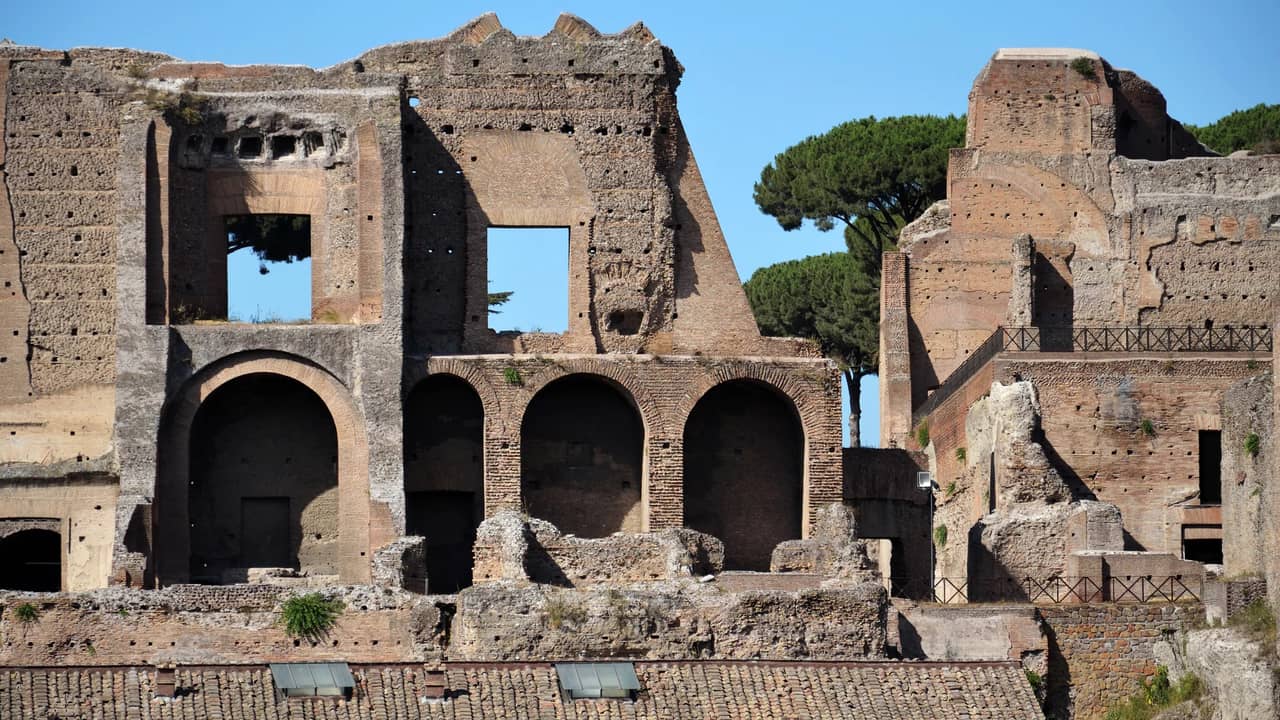
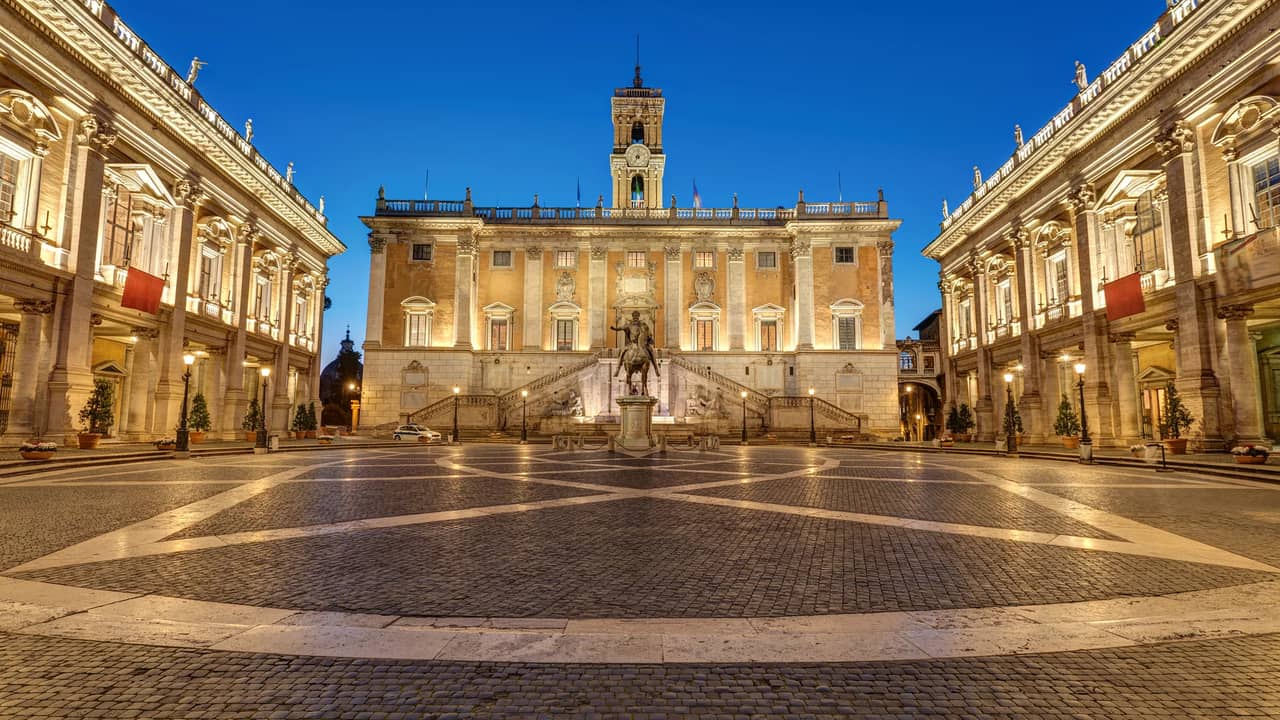
The Capitoline Museums (Musei Capitolini) are located on Capitoline Hill (Campidoglio), one of Rome’s famed Seven Hills, in the historic center of Rome. They sit around Piazza del Campidoglio, the elegant square redesigned by Michelangelo, at the top of the Capitoline rise. District / area - Rione Campitelli (historic center), immediately bordering the Roman Forum and the broader archeological core of ancient Rome. Notable nearby landmarks and places - Piazza del Campidoglio: The museum buildings frame this iconic piazza, with its distinctive paving pattern and the famous equestrian statue (a copy) of Marcus Aurelius. - Roman Forum and Palatine Hill: Just downhill, these are among the most important archaeological areas in the world and form the heart of ancient Rome. - Piazza Venezia and the Vittoriano (Altare della Patria): A short walk away; the massive white monument is a major orientation point in the city. - Trajan’s Forum and Trajan’s Column: Close by, showcasing imperial Rome’s monumental architecture. - Teatro di Marcello and the Jewish Ghetto: A nearby area rich in layers of Roman, medieval, and modern history, with great food and evening atmosphere. - Santa Maria in Aracoeli: The church adjacent to the Capitoline complex, reached by a steep staircase, notable for its history and interior. What makes this part of Rome special This is one of the most historically dense areas of the city: you are standing where civic Rome developed, between the symbolic seat of Roman municipal power (the Capitoline) and the ceremonial and political center of the ancient empire (the Forum). The setting combines world-class art and archaeology with dramatic viewpoints over the ruins and the grand city axis leading toward Piazza Venezia. Why it is worth visiting Beyond the museums’ collections themselves, the location offers an unmatched “Rome in one walk” experience: monumental ancient ruins, Renaissance urban design, and some of the city’s most photogenic panoramas are all within minutes on foot. It is an ideal base for exploring the historic center, especially for visitors who want to connect Rome’s art with the physical landscape of its ancient past.
Local Legends
Visitors love to say that if you quietly meet the eyes of the famous Capitoline She‑Wolf for a moment, you’ll leave the museum with extra “Roman confidence” for the rest of the day - like you suddenly know where every alley leads and how to order gelato like a local.
Background
The She‑Wolf is tied to Rome’s legendary founding story (Romulus and Remus). Over time, travelers turned that iconic symbol into a cheerful good‑luck ritual, especially because the sculpture feels like a friendly emblem of the city itself.
Impact On Visitors
Encourages families and first‑time tourists to slow down, look closely, and treat the museum as a place where symbols still feel “alive” in the imagination - great for photos and for kids who enjoy secret “museum quests.”
Additional Details
Guides sometimes suggest pairing the gaze with a small personal wish: better navigation skills in Rome, a perfect espresso, or a memorable sunset view - simple, upbeat wishes that match the lighthearted tone of the tradition.

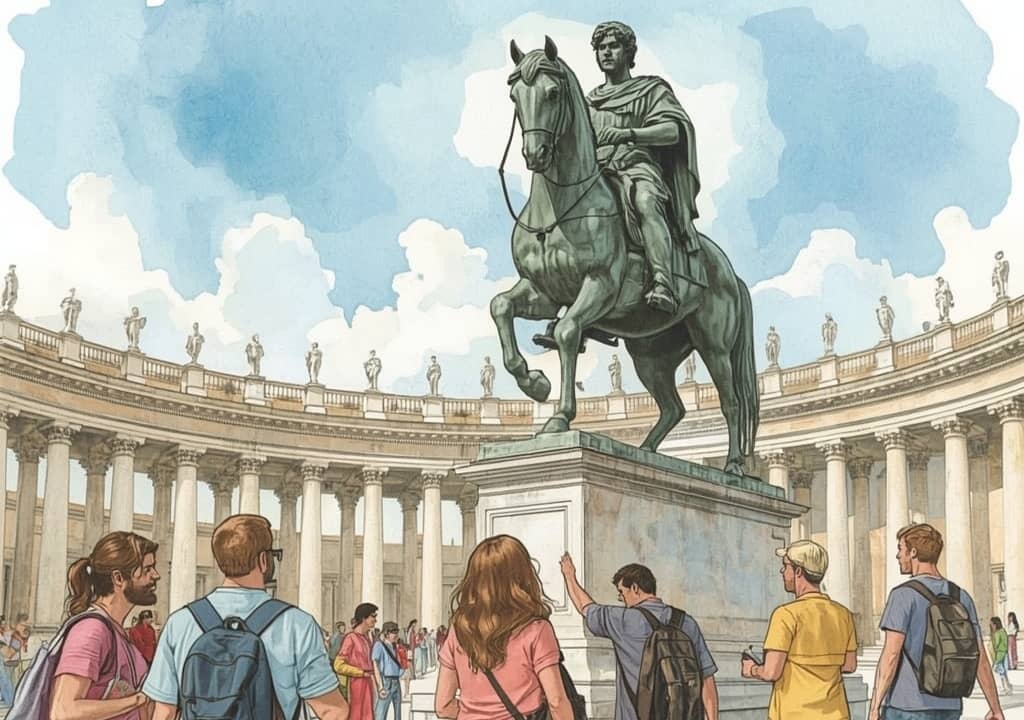
A popular joke among guides is that the equestrian statue of Marcus Aurelius looks calm and in control because he has seen every kind of tourist pose imaginable - and still remains perfectly composed. The ‘myth’ says that if you can make someone in your group grin while looking at the statue, your whole visit will go smoothly, with no wrong turns and no missed highlights.
Background
The statue is one of Rome’s most recognizable images, and its serene expression invites friendly commentary. Over decades of tours, that calm presence evolved into a running gag: the statue as the unbothered “referee” of tourist energy.
Impact On Visitors
Turns a major artwork into an easy conversation starter. People relax, take their time, and enjoy the museum as a lively experience rather than a silent checklist.
Additional Details
Many visitors like to compare the statue’s steady posture with their own travel day: if the statue can look composed in any situation, so can you - especially when navigating crowds, maps, and gelato decisions.
Rome has a long-running, family-friendly legend that the sacred geese of the Capitoline Hill once made such a commotion that they became honorary ‘guards’ of the hill. Modern visitors jokingly claim the geese’ spirit still “watches over” the Capitoline area - especially when someone is about to miss a great viewpoint or walk past an important detail.
Background
The story comes from Roman tradition about geese associated with the hill’s temples. Over time, it turned into an upbeat symbol of watchfulness, and guides enjoy retelling it as a charming example of how everyday animals became woven into Rome’s identity.
Impact On Visitors
Adds a whimsical layer to the setting: the museum and its surroundings feel like a place where even small creatures can become legends. It also helps visitors remember the Capitoline Hill’s importance in Roman storytelling.
Additional Details
Tourists sometimes play along by listening for ‘imaginary honks’ as a cue to double-check the next gallery label - turning the visit into a light game of paying attention.

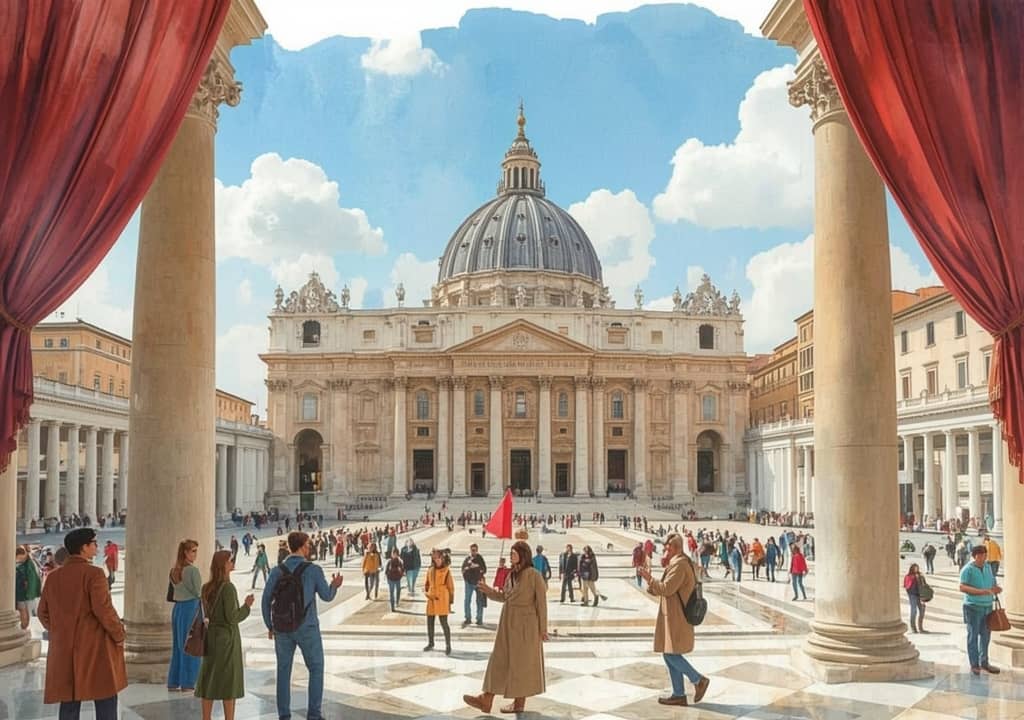
A cheerful rumor says Michelangelo designed the Campidoglio’s layout like a stage set: no matter where you stand, the space nudges you into feeling that you’ve stepped into a grand scene. Visitors love to joke that the square is ‘camera-friendly by design’ - as if the architecture is quietly helping everyone take their best travel photos.
Background
The Campidoglio (the piazza outside the Capitoline Museums) is famously planned with careful geometry and visual harmony. Over time, that intentional design inspired a friendly modern myth: that the space is “secretly coaching” visitors to look around and enjoy the view from multiple angles.
Impact On Visitors
Makes people more curious about perspective, patterns, and how the museum fits into the wider Capitoline setting - encouraging a slow, observant walk rather than a rushed entry.
Additional Details
Many guides invite visitors to test the ‘stage set’ idea by taking a few steps, turning, and noticing how the surrounding buildings and the central pattern seem to stay balanced - an easy, memorable way to appreciate design without needing technical vocabulary.
Frequently Asked Questions
They are Rome’s oldest public museums (opened in 1471) on Capitoline Hill, showcasing major Roman sculptures, inscriptions, mosaics, and art. Highlights include the Capitoline Wolf, the colossal statue of Constantine, and the original equestrian statue of Marcus Aurelius.
They are on Piazza del Campidoglio (Capitoline Hill), near Piazza Venezia and the Roman Forum. The closest major hub is Piazza Venezia (many buses/trams); from there it’s a short uphill walk to the square.
Go early at opening time or in the last 1 - 2 hours before closing. Weekdays are usually quieter than weekends, and the shoulder seasons (spring and autumn) tend to be more comfortable than midsummer.
Plan 2 - 3 hours for a solid first visit, 3 - 4 hours if you want to read labels, explore temporary exhibits, and spend time on viewpoints over the Roman Forum.
Yes. Booking online helps you avoid ticket lines and secure your preferred time, especially on weekends, holidays, and during peak season.
A common efficient route is: start with the courtyard (giant Constantine fragments), continue through the Palazzo dei Conservatori (key sculptures and paintings), cross the underground Galleria Lapidaria (inscriptions), then finish in Palazzo Nuovo (classical statue galleries). Leave time at the end for terrace views over the Forum.
Don’t miss the Capitoline Wolf, the original equestrian statue of Marcus Aurelius, the colossal Constantine fragments, the Capitoline Venus, and the museum viewpoints over the Roman Forum/Palatine area.
Wear comfortable walking shoes (stone floors and stairs). Bring a light layer (some galleries are cool), a small water bottle, and a fully charged phone/camera. A small daypack is best; large bags may need to be checked.
Yes. The collections are visually impressive (large statues, recognizable Roman icons) and can be enjoyed without deep background knowledge. Families often do best with a short “highlights” route and breaks at viewpoints.
Yes. It’s ideally paired with Piazza Venezia, the Roman Forum/Colosseum area, and the Capitoline Hill viewpoints; you can plan the museums before or after walking around the Forum district.
Ancient Rome’s core sites around Capitoline Hill
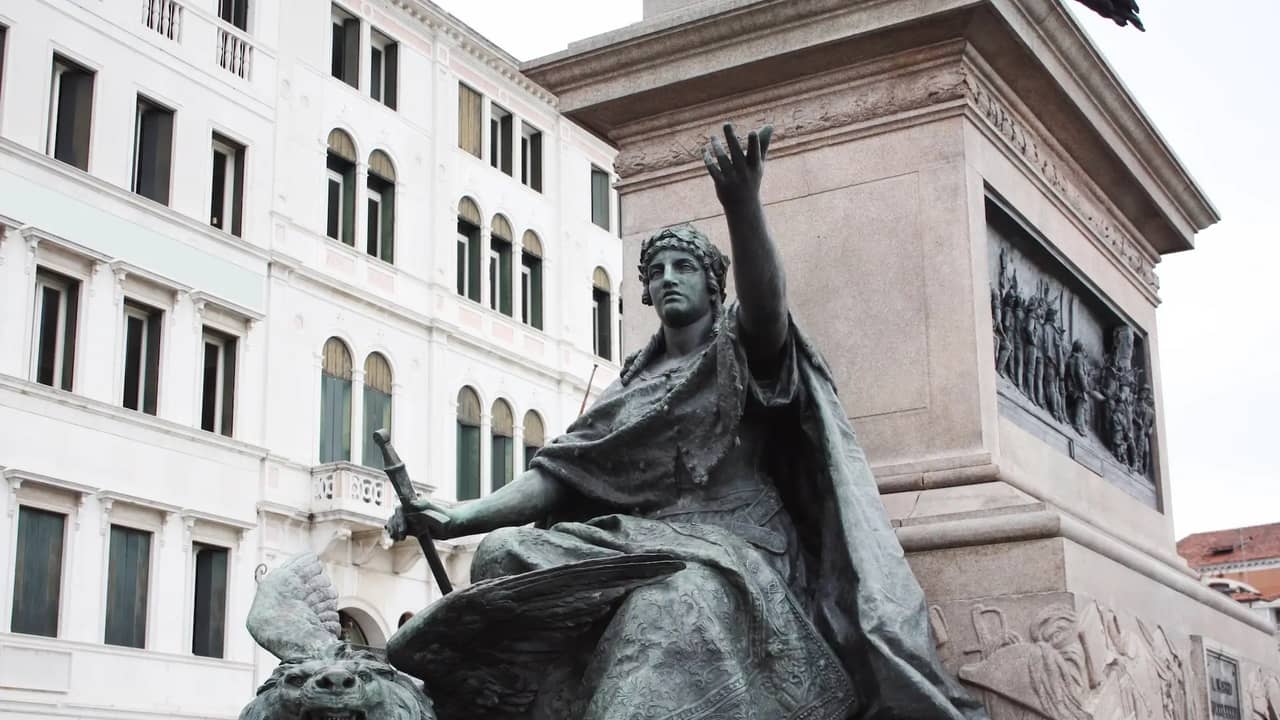
Everything You Need Before Visiting Il Vittoriano
Marble, scale, and skyline drama in one stop - Il Vittoriano rewards curious travelers. Get clear directions, current opening times, and the best moments for photos and breezes. Learn what to pack, hear quirky legends, check accessibility notes, and decide on a guided or audio tour.
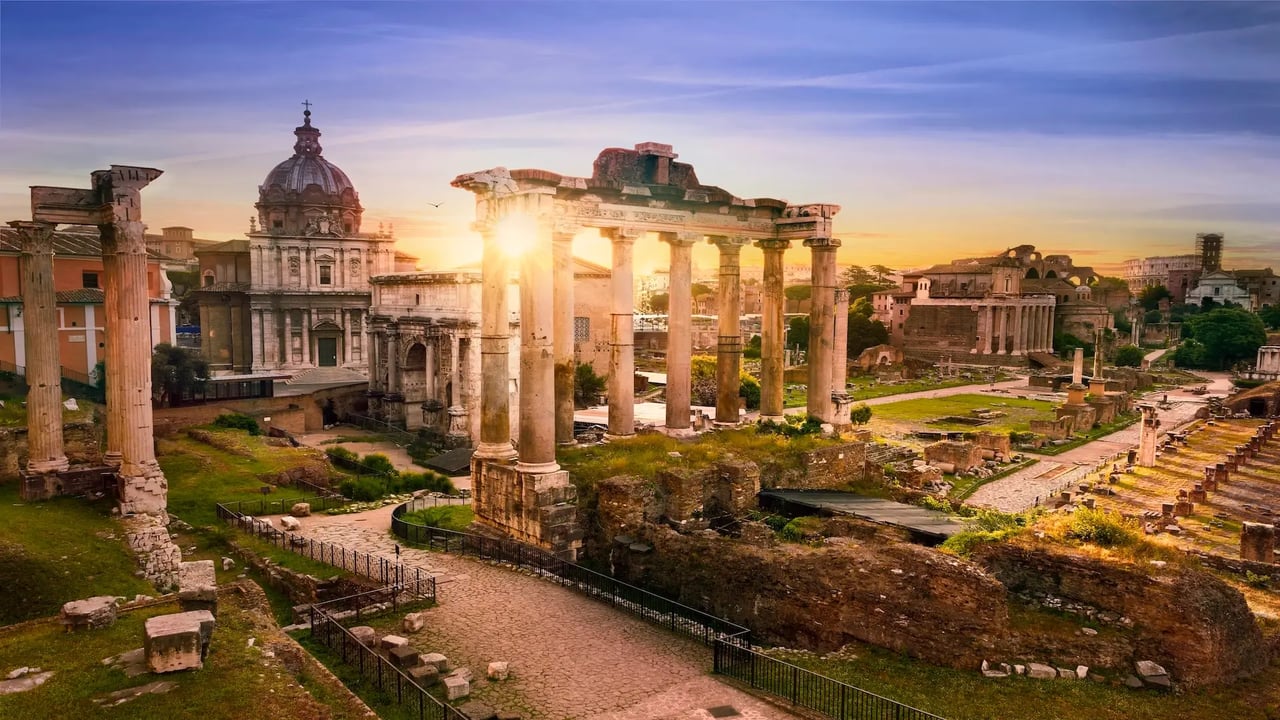
Everything You Need Before Visiting the Roman Forum
Few places make antiquity feel this immediate. This article explains where the ruins sit, opening hours, ideal seasons, what to bring, and how to handle uneven paving. You’ll also get myth-filled anecdotes, accessibility notes, plus tips on hiring guides or using audio tours.
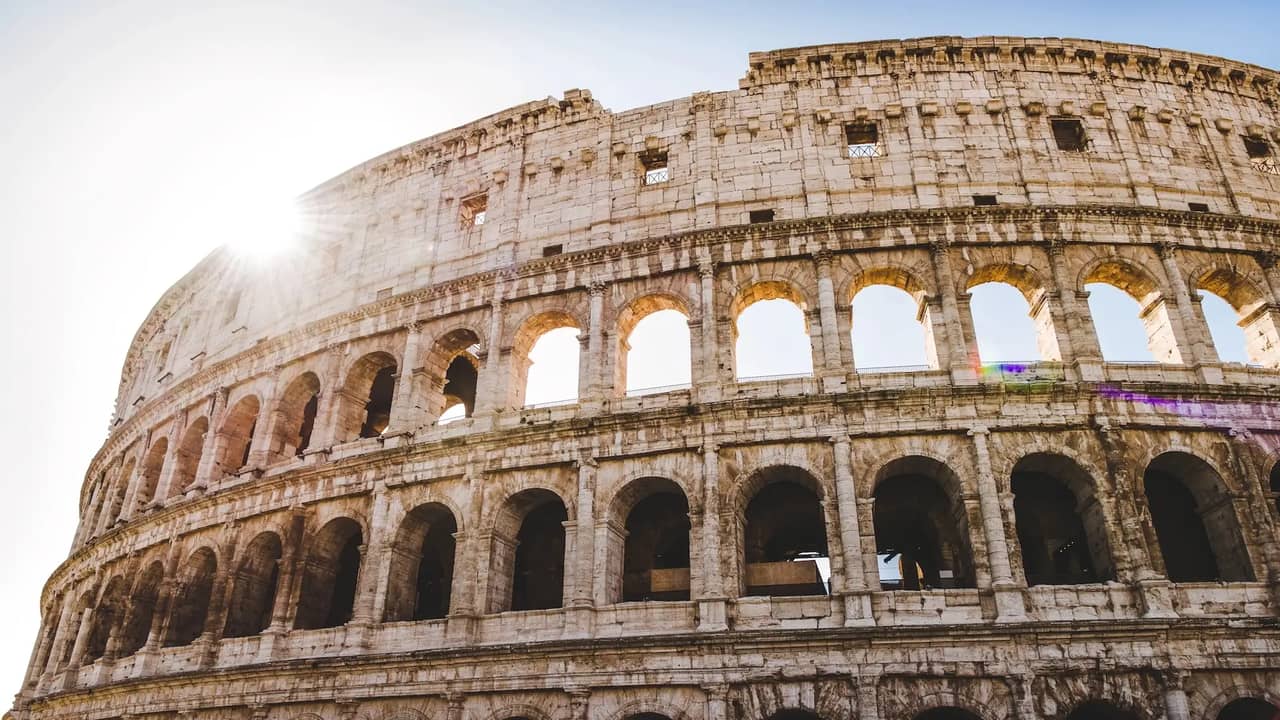
Everything You Need Before Visiting the Colosseum
Few places make ancient history feel this close. Use this article to pinpoint entrances, map the easiest routes from key transit stops, and choose the best hours to avoid peak crowds. Get packing pointers, accessibility details, plus guidance on guided tours or audio options and quick FAQs.