Hours And Schedule
Closes In 3h 4m
Opening Hours
Special Hours
Important Notes
Last admission is 60 minutes before closing. Timed-entry reservation is required for entry to the Colosseum, with official ticket sales generally opening 30 days before the visit date. Tickets are issued in the visitor’s name and an ID document is required at entry.
Visit Timing
Best Time To Go
The Colosseum is most comfortable and least crowded early in the day. You’ll generally encounter shorter security lines, cooler temperatures (especially in warmer months), and clearer sightlines for photos before large tour groups build up.
If morning is not possible, late afternoon (about 15:30 - 17:30, season-dependent) can be a good alternative as some day-trippers disperse - however, crowds can still be significant. Evening visits are only possible when special night openings are offered; these can be atmospheric and cooler but are limited and often sell out.
Seasonal Guide
These shoulder seasons usually provide the best balance of mild temperatures, pleasant light for photography, and slightly reduced crowd pressure compared with peak summer. The experience tends to be more comfortable for walking, especially because much of the visit is outdoors or semi-exposed.
Climate: Spring and autumn are typically mild to warm with lower heat stress than June - August. Summer can be very hot and bright with strong sun exposure and higher humidity; winter is cooler with a higher chance of rain and shorter daylight hours, but can offer quieter visits (excluding holiday periods).
For scenic conditions, spring and autumn often deliver softer, golden light that photographs well on the travertine stone. Winter (January - February) can be a good option if your priority is fewer crowds, but plan for rain and cooler temperatures; bring a waterproof layer and expect slick surfaces in wet conditions.
Peak hours
Packing Guide
By Season
Extra Tips
Tours And Guides
The Colosseum is managed together with the Roman Forum/Palatine archaeological area; many products cover all sites. Availability, exact language lists, pickup counters/locations, and prices can change frequently and may differ between official services and third-party providers - verify the specific offering during checkout on the official ticketing channel or the chosen tour operator’s listing.
Expert Guides
How to book Book in advance via official ticketing for guided tour products (when offered) or via licensed tour operators/authorized resellers online. Meeting point is usually near the Colosseum (outside the monument) and specified on the voucher.
Audio Tours
Available as an on-site rental/add-on at or near the Colosseum entrance area through official/authorized services when operating; also commonly provided by third-party tour packages that include an audio guide device or app. Confirm availability and exact pickup point at time of booking.
App Guides
Online Experiences
Virtual/online tours are available via museums/cultural platforms and commercial tour providers (live or self-guided). These are accessed online (web platforms) and are priced variably (often free for basic content or paid for live guided sessions).
Top activities
How to Get There
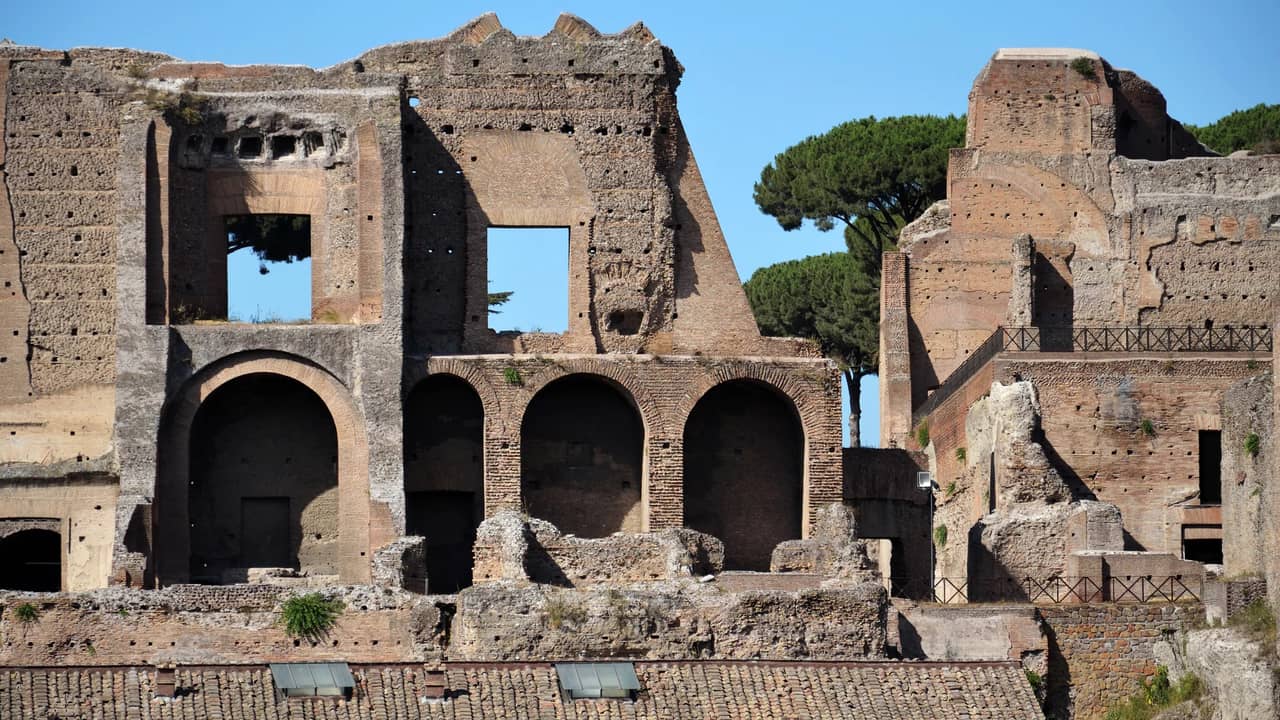
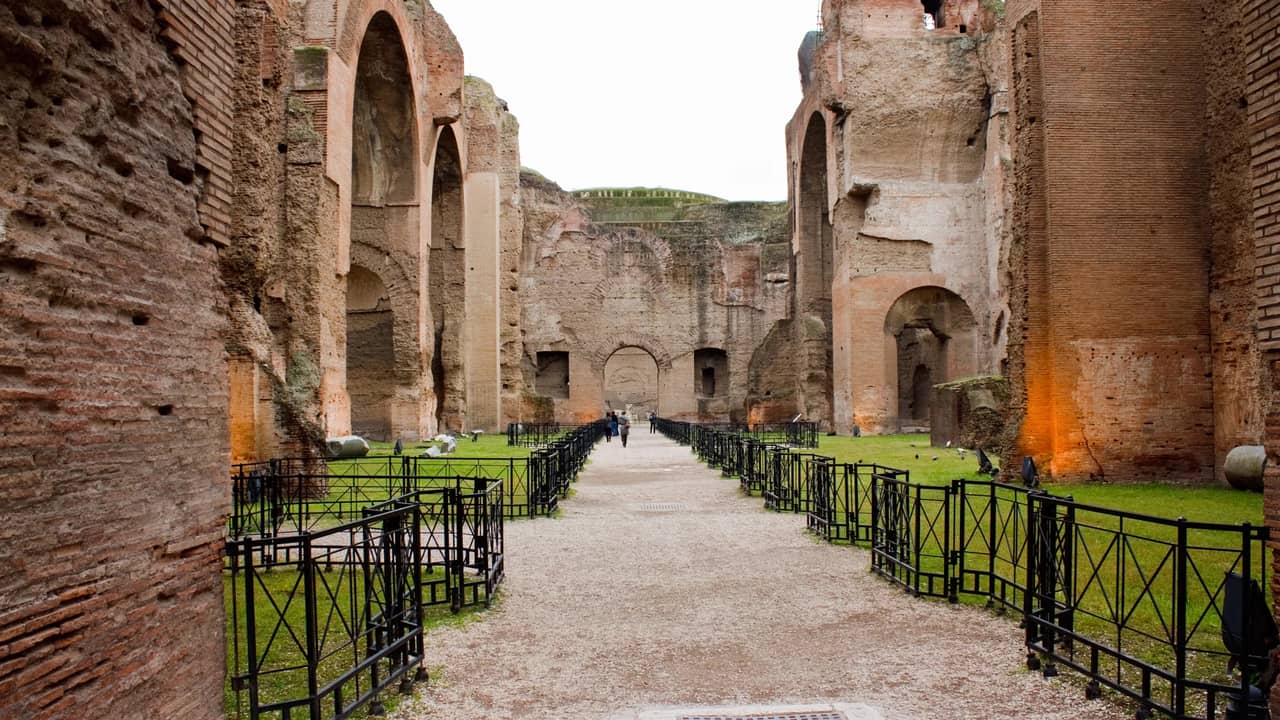
The Colosseum (Colosseo) is located in the historic heart of Rome, in the Celio district (rione Celio) and immediately beside the archaeological area of the Roman Forum - Palatine Hill. It sits along Piazza del Colosseo and Via dei Fori Imperiali, with the Colosseo metro station (Line B) directly in front, making it one of the city’s most accessible major monuments. Nearby notable landmarks and places include the Roman Forum (Foro Romano) and Palatine Hill (Palatino) to the west, the Arch of Constantine (Arco di Costantino) just outside the Colosseum’s south-west side, and the Imperial Fora (Fori Imperiali) stretching north-west along Via dei Fori Imperiali toward Piazza Venezia. A short walk south-west are the Capitoline Hill museums area (Musei Capitolini), while to the south and south-east you can reach the Baths of Caracalla (Terme di Caracalla) and, a bit farther, the Circus Maximus (Circo Massimo). The Basilica of San Clemente and the Santi Quattro Coronati complex are also close by, offering quieter historic sites within the same neighborhood. This part of Rome is special because it concentrates the core of ancient imperial Rome into a compact, walkable zone: the Colosseum, the political and ceremonial center of the empire (the Forum), and the aristocratic and mythic birthplace of Rome (Palatine Hill) are all adjacent. It is worth visiting for its unmatched density of world-class archaeology, the dramatic urban scenery of ruins embedded in a living city, and the opportunity to understand Rome’s history in situ - from monumental public entertainment at the amphitheater to the civic, religious, and imperial spaces of the surrounding forums.
Local Legends
Many visitors arrive convinced that the ancient crowd decided outcomes with a simple thumbs-up or thumbs-down gesture. The entertaining twist: historians think the real gestures were more complicated and not as neatly “up = yes, down = no” as modern pop culture suggests. The Colosseum becomes a place where people enjoy playfully debating hand signals and reenacting them for photos - often discovering that the truth is messier (and funnier) than the legend.
Background
This idea spread widely through paintings, stage productions, and especially films, which favored a clear, dramatic gesture that audiences could instantly understand.
Impact On Visitors
It turns a visit into a light game of “fact vs. film,” prompting travelers to look for museum captions and guide explanations - and to leave with a memorable trivia nugget that surprises friends back home.
Additional Details
Guides often invite groups to try several possible “ancient-style” gestures and then ask: “Which one looks most convincing?” It’s a friendly way to show how our mental image of Rome is sometimes built from later storytelling rather than direct evidence.
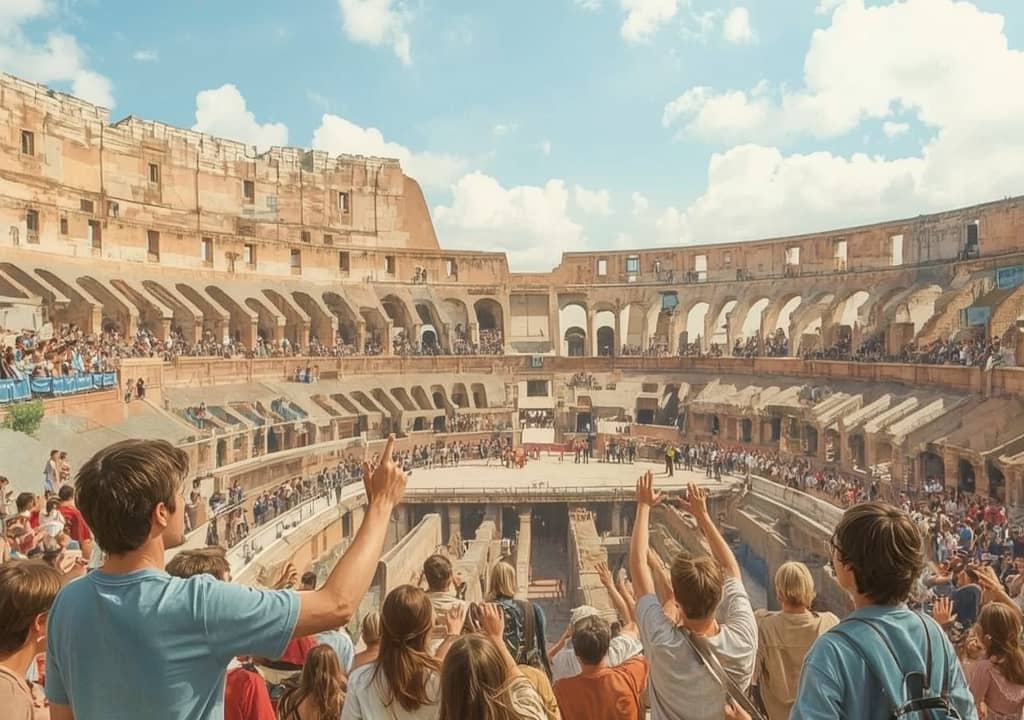
A favorite rumor says the Colosseum could be filled with water to stage boat shows. While scholars debate how often (or how fully) this happened, the story itself is delightfully vivid: tourists imagine a giant basin in the middle of Rome, with cheers echoing off the stone. Whether fully true or somewhat embellished, it’s a classic example of how one dramatic idea can capture the imagination for centuries.
Background
Ancient writers mention staged water spectacles in Roman venues, and later retellings connected the idea strongly to the Colosseum. Over time, guidebook lore amplified it into a signature “Did you know?” tale.
Impact On Visitors
It helps visitors picture the Colosseum as a flexible, high-tech venue of its day - less a static ruin and more a place of surprising engineering tricks.
Additional Details
When you look down into the underground areas (the hypogeum), guides sometimes point out how later construction there would have made large-scale flooding impractical - adding a fun detective-story angle: “Which phase of the building could have allowed it?”
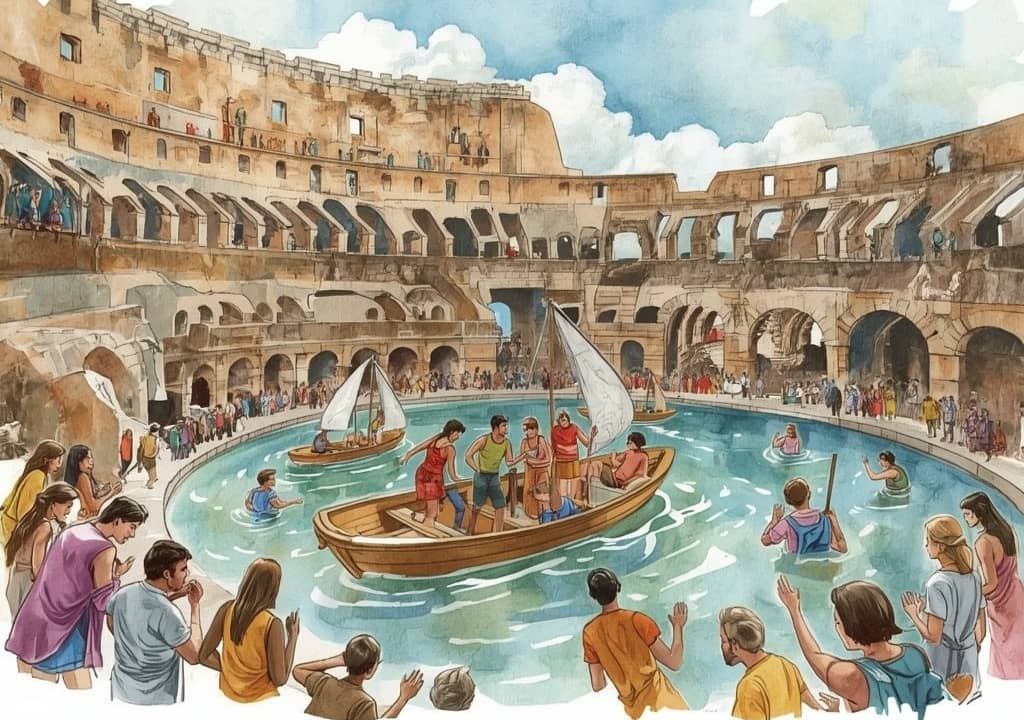
Another crowd-pleaser is the notion that the Colosseum is full of secret corridors and backstage shortcuts that let performers appear as if by magic. The reality is still impressive: the structure included many internal routes and service areas designed for smooth crowd movement and staging. Visitors love imagining the venue as an ancient version of a modern theater - complete with clever logistics and surprise entrances.
Background
The Colosseum’s layered seating, numbered entrances, and extensive internal circulation inspired generations of storytellers to add “mystery tunnels” to the already complex plan.
Impact On Visitors
It makes people pay attention to arches, stairways, and numbered entry points, turning the visit into a playful scavenger hunt: “Where would the quickest route be?”
Additional Details
Families often enjoy counting the entry arches and imagining how ticket holders found their section quickly - an ancient crowd-management system that feels surprisingly modern.
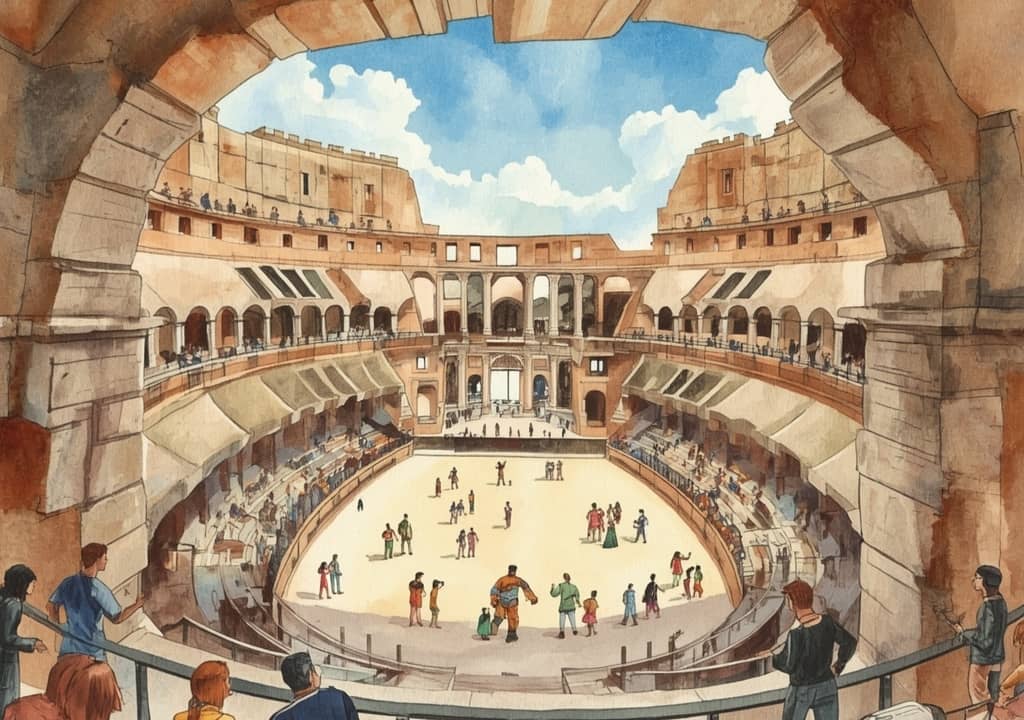
A lighthearted tourist tradition says that walking a full loop around the Colosseum (sometimes while quietly making a wish) brings good fortune. It’s not an ancient rite - more of a modern travel custom - but it’s a cheerful way to engage with the monument beyond simply looking at it. The enormous oval becomes a kind of scenic track for hopeful, camera-happy pilgrims.
Background
Like many “wish” traditions, it likely grew organically from visitor habits: people naturally circle the structure for photos, and a simple ritual story makes the walk feel purposeful and fun.
Impact On Visitors
It adds a feel-good, participatory moment to the trip and encourages visitors to notice changing viewpoints - sunlight, shadows, and the shifting sense of scale as you go.
Additional Details
You’ll hear multiple versions - one loop, three loops, or a loop at a certain time of day - showing how folklore adapts quickly to travel trends and social-media storytelling.
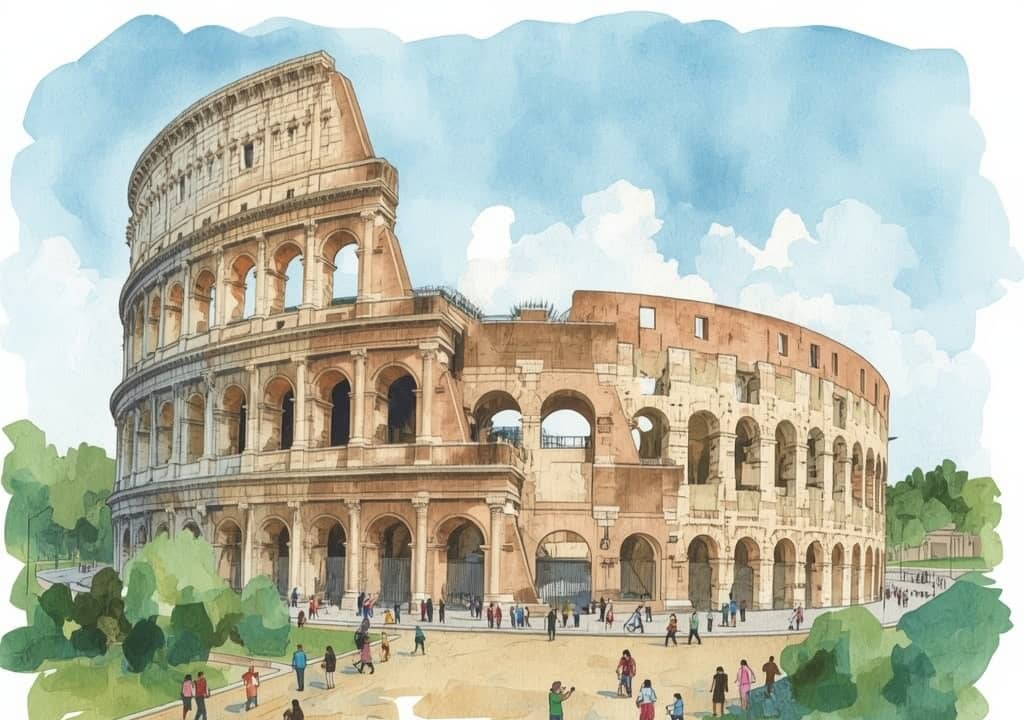
Frequently Asked Questions
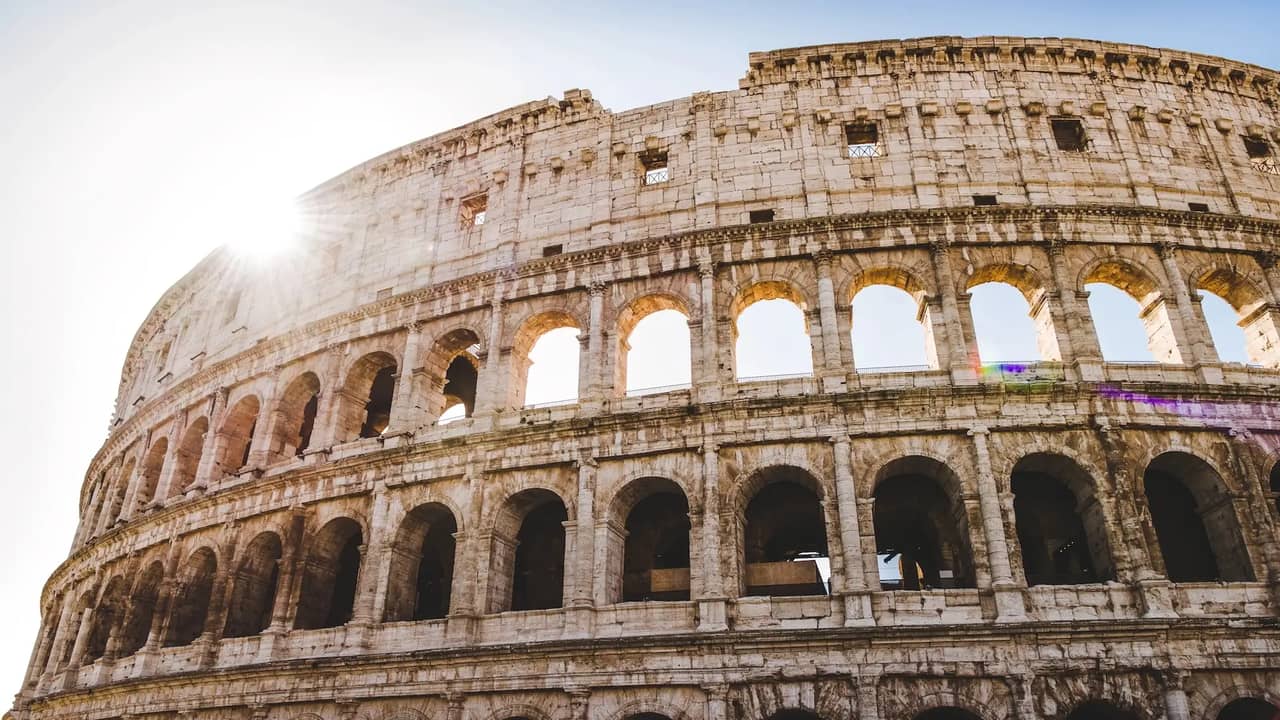
The Colosseum (Flavian Amphitheatre) is an ancient Roman arena built in the 1st century CE, famous for gladiator combats, public spectacles, and as a symbol of Imperial Rome’s engineering and power.
Go early morning (first entry) for smaller crowds and better photos, or late afternoon for warmer light. Midday is usually busiest and hottest in summer.
Spring (Apr - May) and fall (Sep - Oct) offer pleasant weather and fewer crowds than peak summer. Winter has fewer visitors but shorter daylight and occasional rain.
Yes - advance booking is strongly recommended, especially in high season. Timed-entry tickets can sell out, and reservations help avoid long queues.
Standard tickets cover the Colosseum and typically include the Roman Forum/Palatine area (check your ticket details). Arena Floor adds access to the arena level; Underground adds guided access to tunnels/chambers - best for history enthusiasts and those wanting behind-the-scenes views.
Start on the upper levels for a full overview, then explore exhibits on the main level, and finish at viewpoints facing the arena. If you have Arena or Underground access, schedule those time slots first, then complete the rest of the circuit.
Plan about 1 - 1.5 hours for the Colosseum alone. If your ticket includes the Roman Forum and Palatine Hill, allow a total of 3 - 4 hours (or more if you like museums/ruins).
The easiest is Metro Line B to “Colosseo” station; many buses and taxis also stop nearby. Arrive early and follow signs for your specific entry line (timed-entry vs. tours) to avoid wasted time.
Bring a valid photo ID (often needed), your ticket/QR code, water (especially in summer), sun protection, and comfortable walking shoes. Large bags, big backpacks, glass containers, and some bulky items may be restricted - travel light to speed up security checks.
Don’t miss the arena views from the upper tiers, the exposed hypogeum (underground structure visible from above), the seating layout that shows Roman crowd management, and the exterior arches - best photographed from the nearby viewpoints along Via dei Fori Imperiali.
Ancient Rome icons steps from the Colosseum
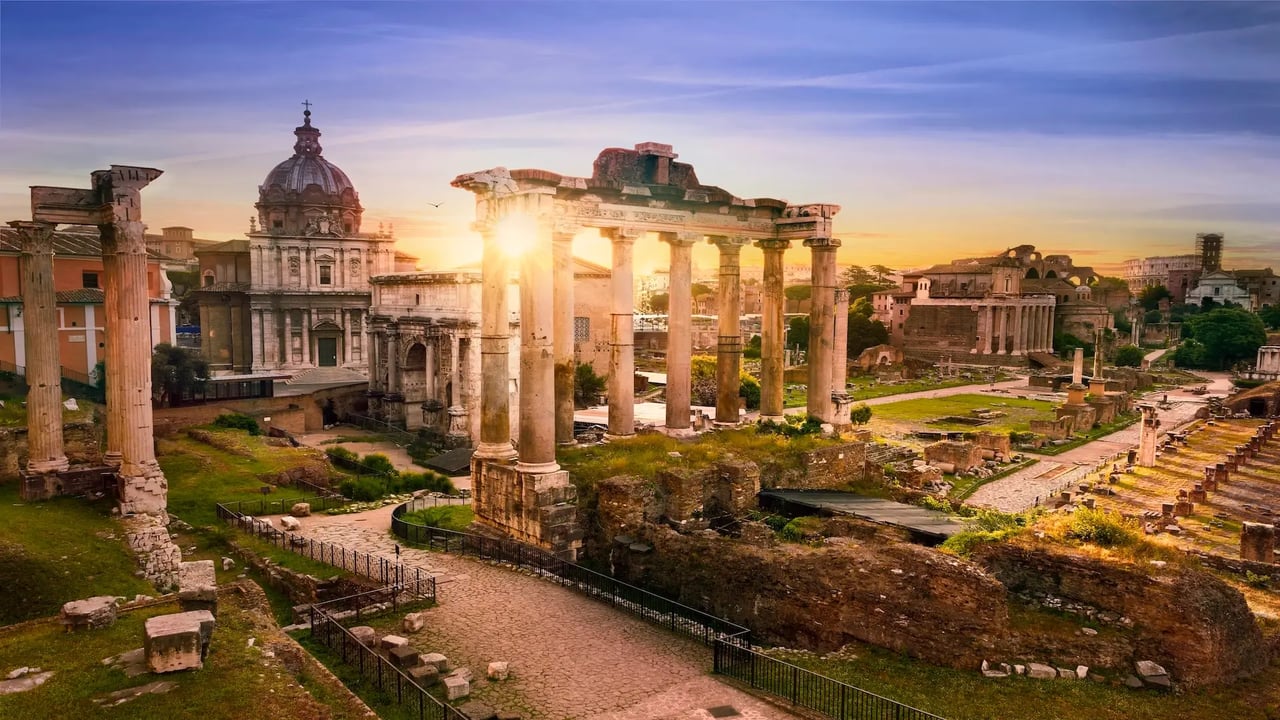
Everything You Need Before Visiting the Roman Forum
Few places make antiquity feel this immediate. This article explains where the ruins sit, opening hours, ideal seasons, what to bring, and how to handle uneven paving. You’ll also get myth-filled anecdotes, accessibility notes, plus tips on hiring guides or using audio tours.
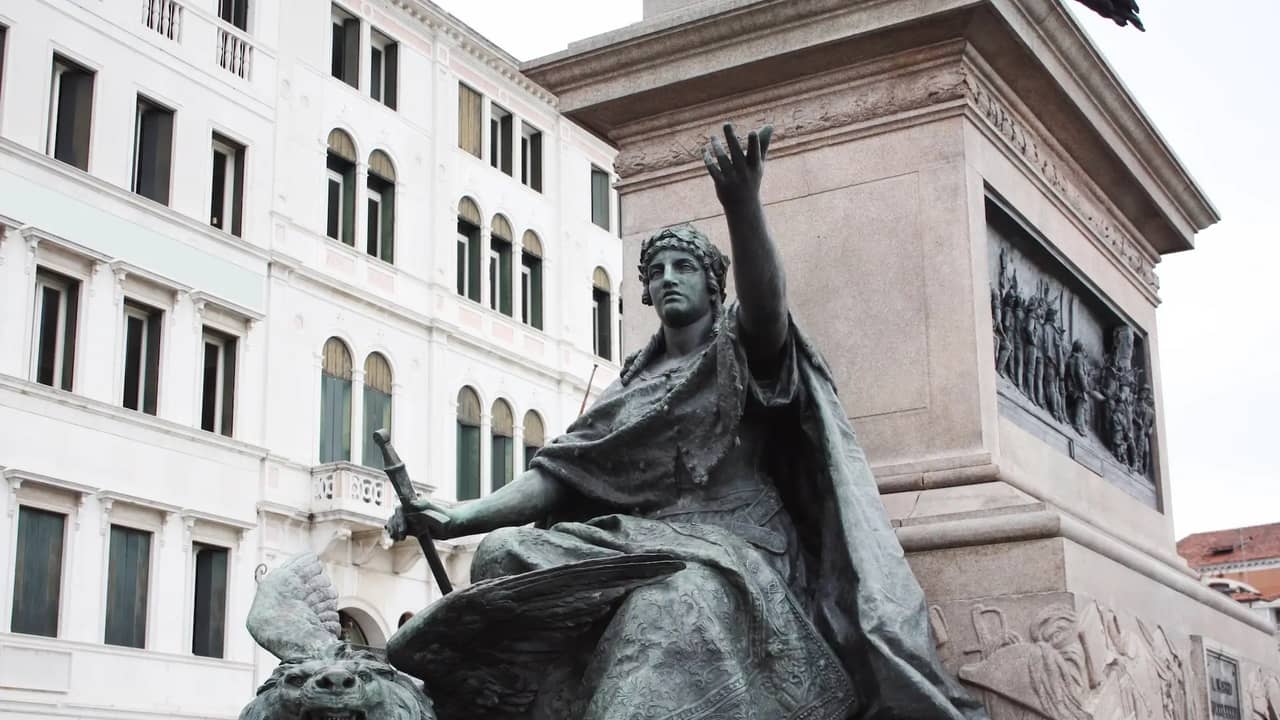
Everything You Need Before Visiting Il Vittoriano
Marble, scale, and skyline drama in one stop - Il Vittoriano rewards curious travelers. Get clear directions, current opening times, and the best moments for photos and breezes. Learn what to pack, hear quirky legends, check accessibility notes, and decide on a guided or audio tour.
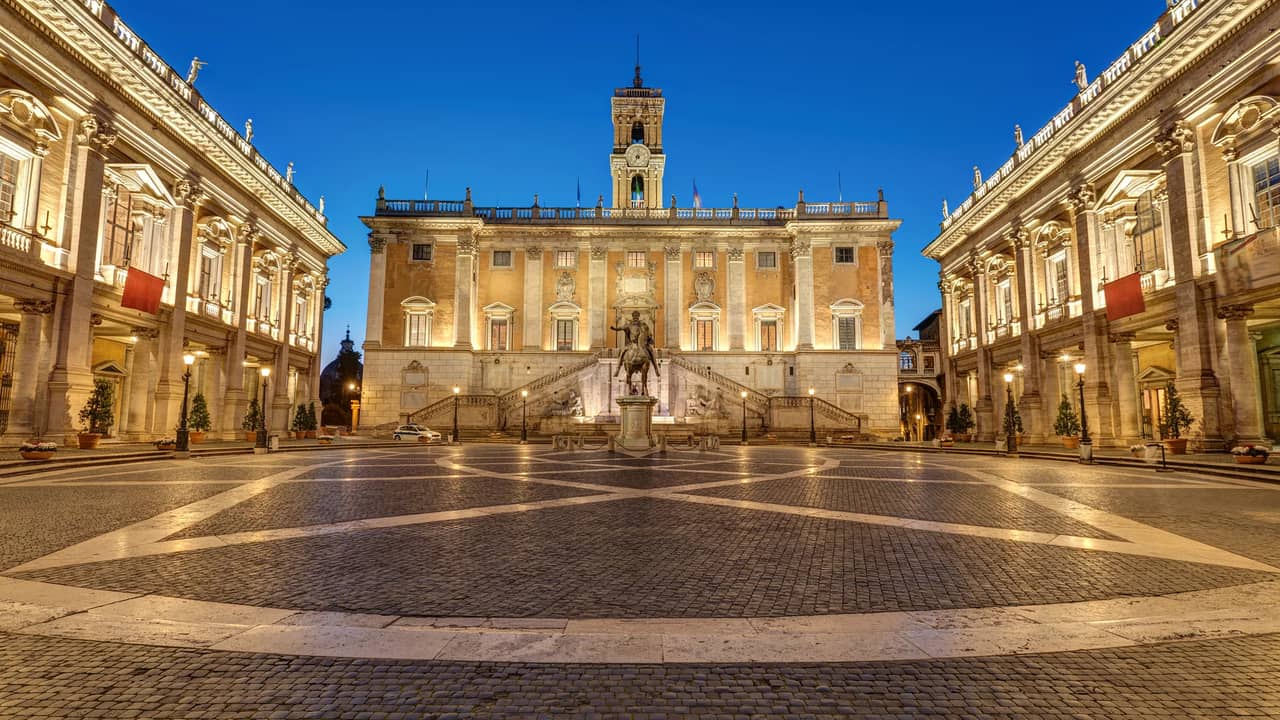
Everything You Need Before Visiting Capitoline Museums
Rome’s oldest public museum hides big surprises on Capitoline Hill. Get clear directions, opening hours, and the smoothest time slots, plus what to pack and how long to stay. Learn about step-free routes, onsite facilities, and whether an audio guide or live expert suits your style.