Visit Timing
Best Time To Go
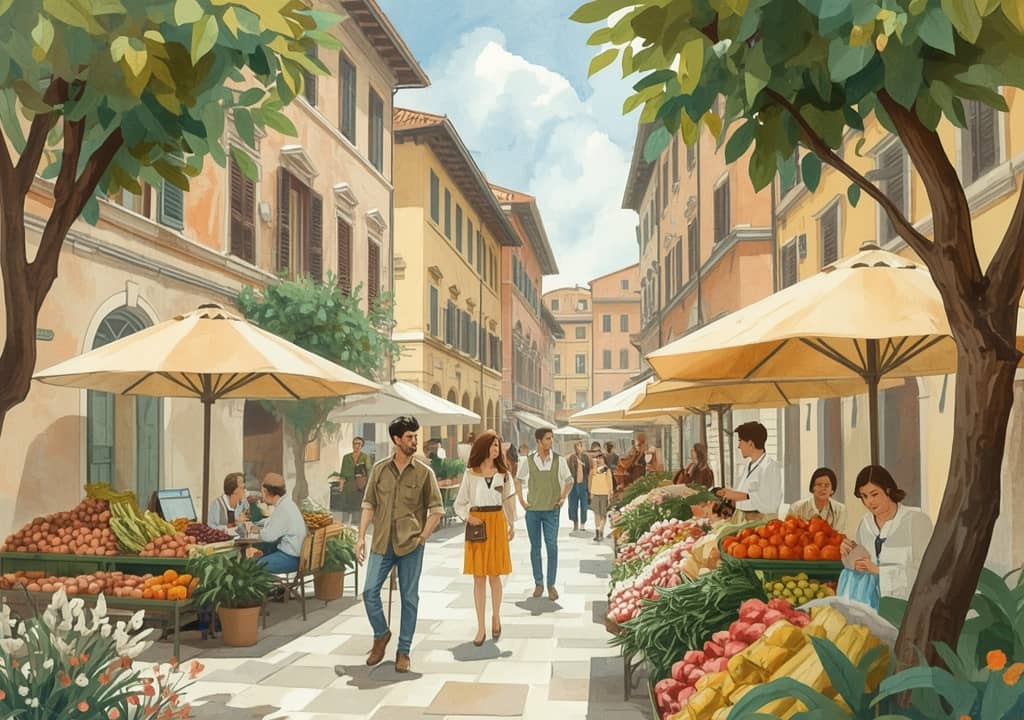
Campo de' Fiori is at its best during the daily open-air market: you get the most atmosphere, fresh produce and flower stalls, cooler temperatures, and noticeably lighter crowds compared with midday and evening dining rushes.
If you want photos, arrive closer to 07:00 - 08:00 for softer light and cleaner sightlines before tour groups build. Late morning (10:00 - 12:00) is still lively but can feel congested; afternoons are generally less dynamic once the market winds down, while evenings are vibrant for aperitivo and dinner but significantly busier and louder.
Seasonal Guide
These shoulder seasons balance comfort and ambiance: mild temperatures make lingering in the square pleasant, and crowd levels are typically lower than peak summer while still offering long daylight hours and a lively street scene.
Climate: Spring and early autumn are usually mild (often comfortable for walking and outdoor seating), with fewer heat extremes than June - August. Summer can be hot and humid in Rome with strong sun on open piazzas; winter is cooler and can be damp/rainy, reducing the outdoor market-and-café appeal.
For a more scenic feel, spring often brings brighter colors at the market (more flowers and seasonal produce). In December, the area can feel festive due to holiday atmosphere nearby, but weather is less predictable and evenings can be chilly.
Peak hours
Packing Guide
By Season
Extra Tips
Top activities
How to Get There
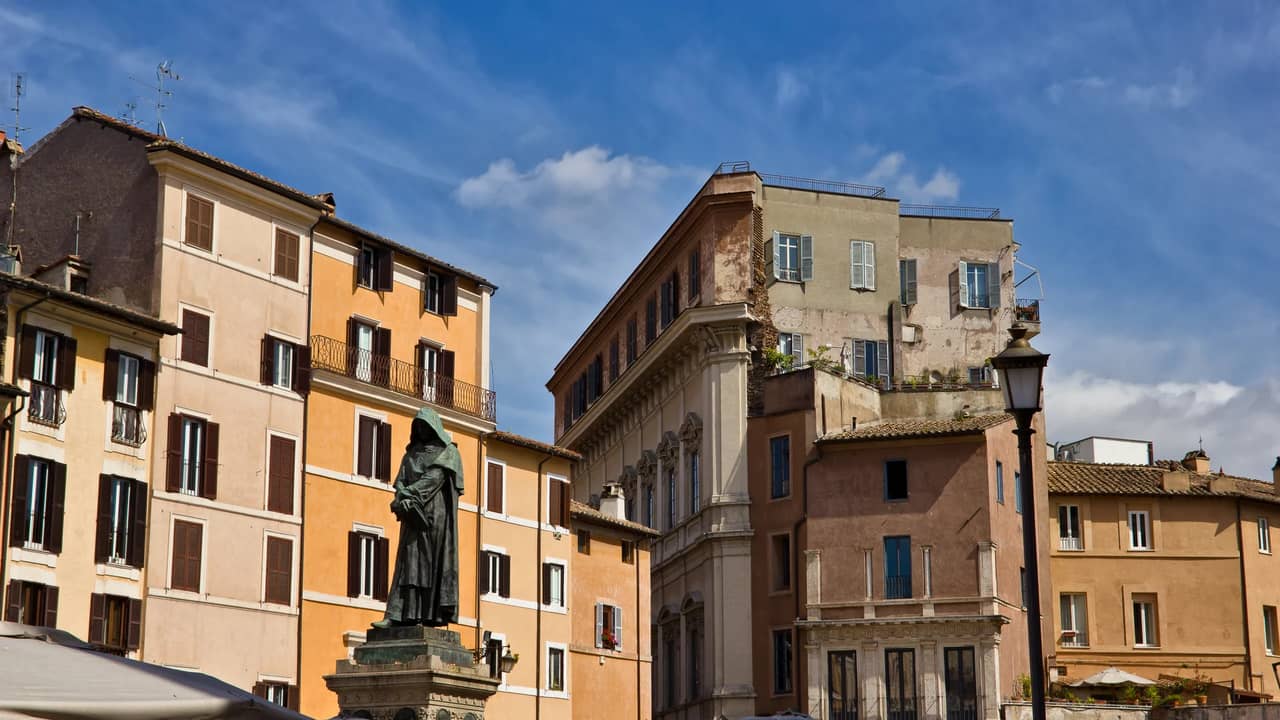
Campo de' Fiori is a lively public square in central Rome, located in the rione (historic district) of Parione, just east of the Tiber River and a short walk south of Piazza Navona in the heart of the city’s historic center. Nearby notable landmarks and places include Piazza Navona and the Pantheon to the northeast, Palazzo Farnese (home to the French Embassy) on the adjacent Piazza Farnese, and the area around Via Giulia toward the river. It is also close to Ponte Sisto, the pedestrian bridge that connects directly to Trastevere, making it an easy stop on a walking route between Rome’s riverside neighborhoods. What makes this part of Rome special is its dense concentration of Renaissance and Baroque streetscapes, palaces, churches, and small lanes packed with cafés and shops - an area designed for exploring on foot. Campo de' Fiori itself is especially worth visiting for its famous daytime market (a classic place for produce, flowers, and local food items) and its energetic evening atmosphere. The square is also known for the statue of Giordano Bruno, which adds a distinctive historical note and a sense of Rome’s layered past in a single, compact location.
Local Legends
Visitors often hear that Campo de’ Fiori got its name because it was once a real meadow filled with flowers. The playful twist locals like to add is that the ‘flowers’ never really disappeared - they simply transformed into today’s colorful produce displays, bright parasols, and herb bundles that perfume the air like a living bouquet.
Background
The name literally means “Field of Flowers,” and the square historically sat at the edge of denser medieval Rome where more open space was common. Over time, the famous market became the area’s new ‘garden,’ inspiring the lighthearted comparison.
Impact On Visitors
Tourists arrive expecting a picturesque name and leave delighted that the square still feels like a flower-field - only now it’s made of lemons, peppers, and fresh basil. Many end up taking photos of produce as if it were a floral arrangement.
Additional Details
A fun way to experience the ‘flowers-to-flavors’ legend is to walk the market slowly and notice how vendors build color gradients - greens to reds to yellows - like a painter’s palette.
A popular, family-friendly rumor is that the statue at the center of the square looks like it’s watching the bustle and silently commenting on everything - especially when the light changes and shadows make the gaze seem to shift. People joke that the statue is the square’s unofficial ‘market inspector,’ keeping an eye on who’s getting the best deals.
Background
The square’s central monument is a major visual anchor, and Rome has a long tradition of giving statues personalities. When crowds move and sunlight changes, faces can appear more expressive, feeding the impression that the figure is reacting to the scene.
Impact On Visitors
It adds a scavenger-hunt vibe: visitors circle the monument to see how the expression looks from different angles and at different times of day, then swap funny ‘what the statue is thinking’ captions.
Additional Details
If you visit near late afternoon, the warm light can make the monument feel especially theatrical - perfect for silly photos where friends pretend to ‘report’ their market finds to the statue.
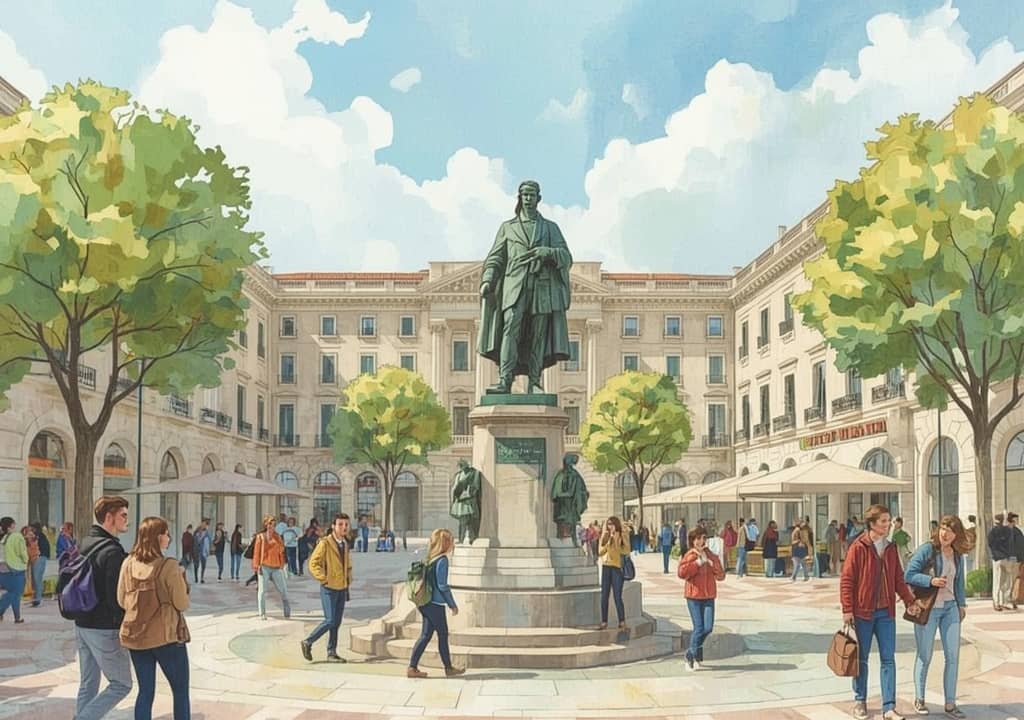
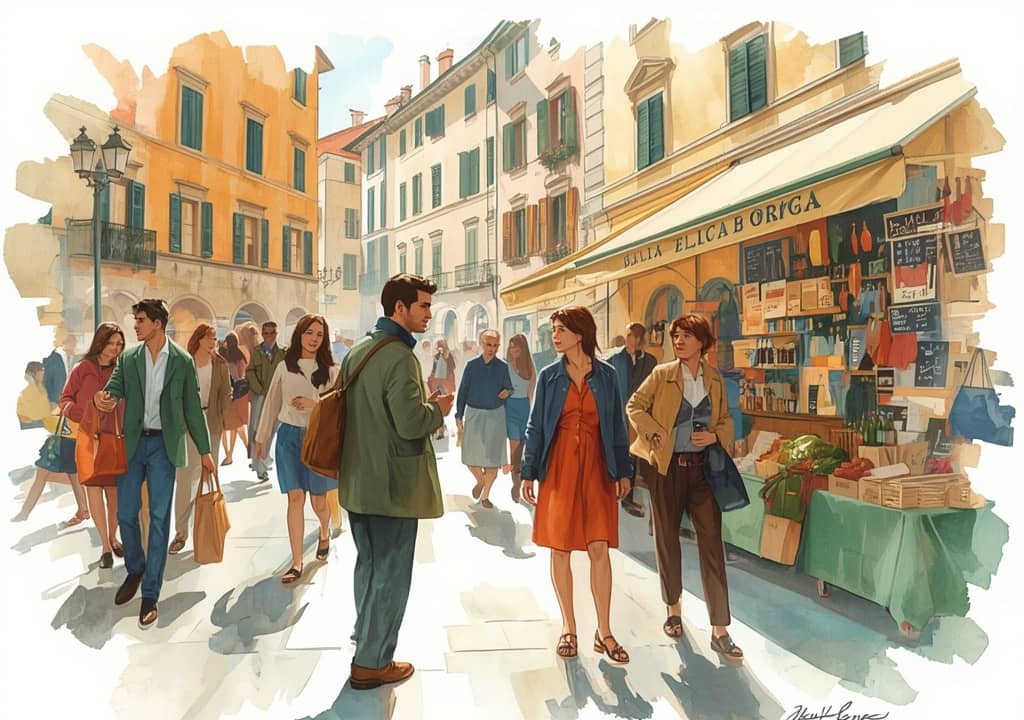
A cheery local tale says you’ll get better prices if you practice a special Campo de’ Fiori skill: the ‘bargain whisper’ - politely asking for a small deal with a smile, as if sharing a secret. Whether or not it changes the price, it often changes the mood, turning shopping into a little game.
Background
Open-air markets thrive on friendly conversation. Over time, regulars pass down unwritten rules - be cheerful, be curious, and ask kindly. The idea of a ‘magic’ way to ask is a playful exaggeration of that real social rhythm.
Impact On Visitors
Tourists feel invited to join local life rather than just watch it. Even when the price stays the same, they often receive a warmer chat, a cooking tip, or a recommendation for how to use what they bought.
Additional Details
Common ‘bargain whisper’ lines are simple: ask what’s best today, ask how to cook it, then (politely) ask if there’s a small discount for buying two. It’s less about money and more about the friendly ritual.
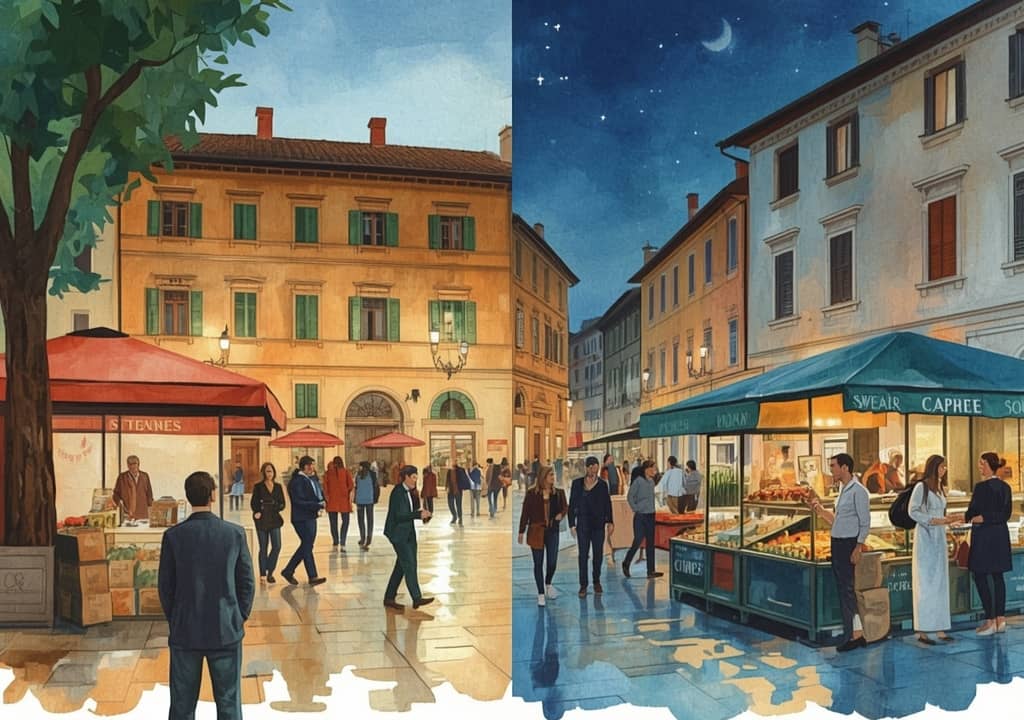
People love repeating the idea that Campo de’ Fiori has two personalities: a bright, busy marketplace in the morning and an outdoor living room in the evening. The humorous myth is that the square ‘changes outfits’ when the stalls pack up - like an actor swapping costumes backstage - so it can host dinners, chats, and laughter after sunset.
Background
The square genuinely shifts character as vendors leave and cafés fill. Travelers, surprised by how different it feels within the same day, turn that contrast into a story of a place with a secret second life.
Impact On Visitors
It encourages visitors to come twice - once for the market energy and once for the evening ambiance - so they experience the ‘two shows’ of the same setting.
Additional Details
A fun way to test the legend is to visit in the morning for fresh fruit or spices, then return later to compare sounds and colors. Many travelers say it feels like stepping into a new scene without ever leaving the square.
Frequently Asked Questions
It’s best known for its lively morning market and as a historic square dominated by the statue of Giordano Bruno. In the evening it becomes a popular area for dining and nightlife.
Go in the morning (about 8:00 - 13:30) to see the market at its busiest. Visit after sunset for the social atmosphere, restaurants, and bars.
The market generally runs Monday - Saturday, usually from around 7:00/8:00 until about 13:30 (hours can vary slightly by season and vendor). It’s typically quieter or closed on Sundays.
Spring and early autumn are ideal for comfortable walking and outdoor dining. Summer can be very hot and crowded; winter is calmer but with shorter daylight hours.
There is no metro stop directly in the square. Common options are buses to the nearby stops around Corso Vittorio Emanuele II / Largo Argentina, then a short walk (about 5 - 15 minutes depending on the stop).
Popular routes are: Piazza Navona → Campo de' Fiori (10 min walk); Pantheon → Campo de' Fiori (10 - 15 min); Trastevere (Santa Maria in Trastevere) → Campo de' Fiori via Ponte Sisto (15 - 20 min); Vatican area → Campo de' Fiori via Via dei Coronari (25 - 35 min).
Don’t miss the Giordano Bruno statue in the center, the changing market stalls in the morning, and the surrounding historic façades and small streets that connect to Rome’s old center.
Good picks include seasonal fruit, some packaged local foods, and small edible souvenirs. Many stalls cater to visitors; compare prices, and don’t expect the lowest rates in the historic center.
Comfortable shoes (cobblestones), a reusable water bottle, sun protection in warm months, and cash for small market purchases (cards are not always accepted).
It’s generally safe but busy. Watch for pickpockets, keep bags closed, and be extra cautious at night in crowded areas and around outdoor seating.
Lively historic squares for day-to-night exploring
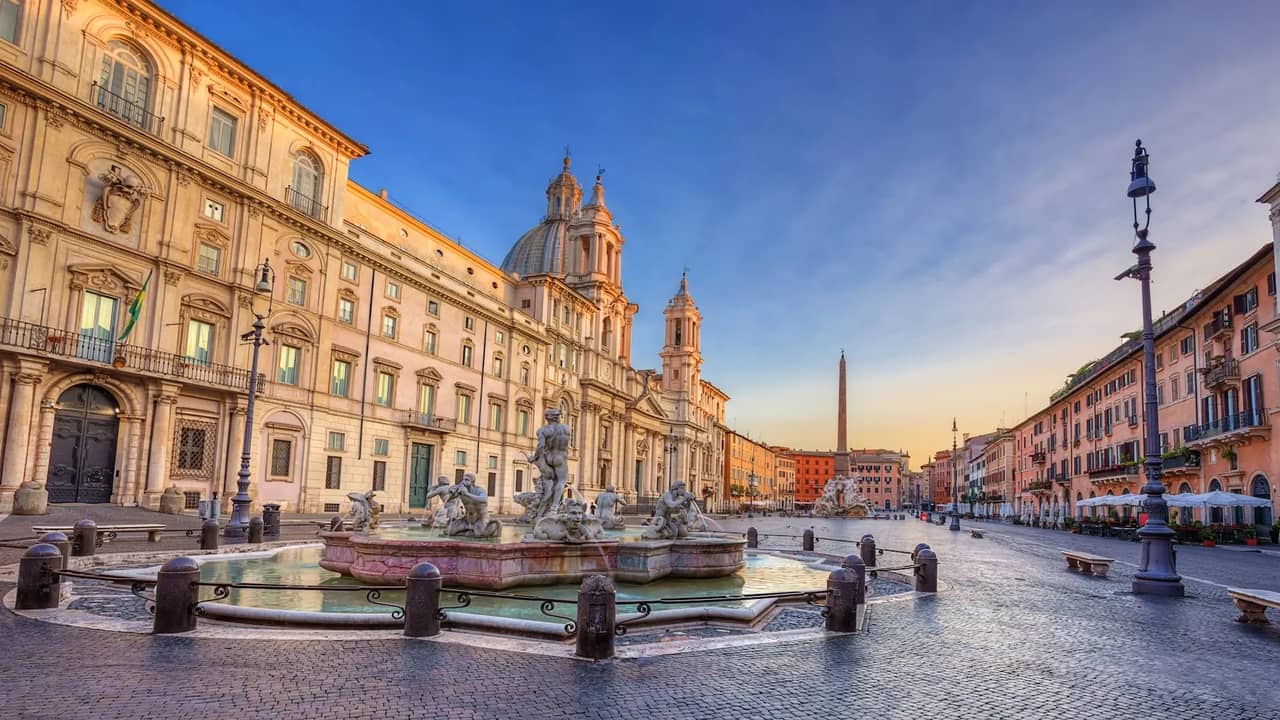
Everything You Need Before Visiting Piazza Navona
Few squares feel as theatrical after sunset as this one. Use our traveler-focused breakdown for the easiest experience: where it sits, when crowds thin out, what to pack for photos and comfort, quick myth-filled trivia, accessibility notes, and a practical FAQ to save time on arrival.
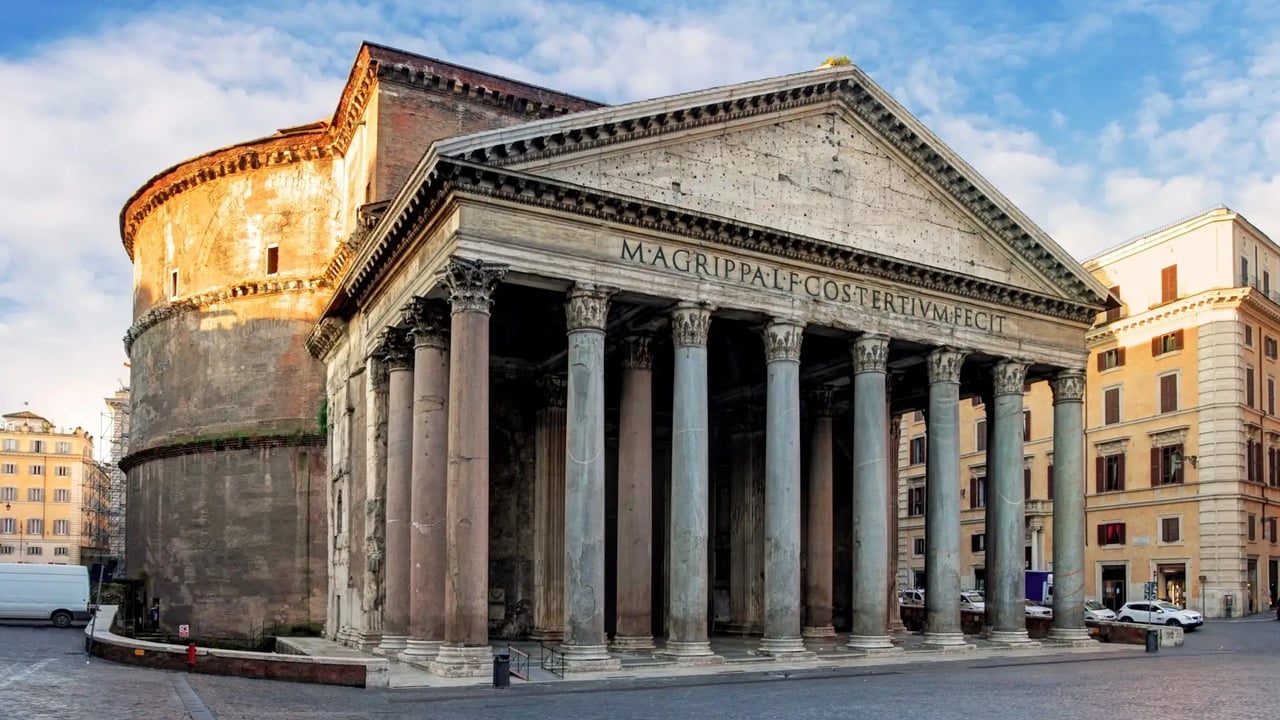
Everything You Need Before Visiting the Pantheon in Rome
One building, two millennia of wonder. This article breaks down where the Pantheon sits, current opening times, and the best hours to avoid crowds. You’ll also get a simple packing checklist, accessibility notes, and whether guided tours or audio guides are worth it, plus myths and quick FAQs.
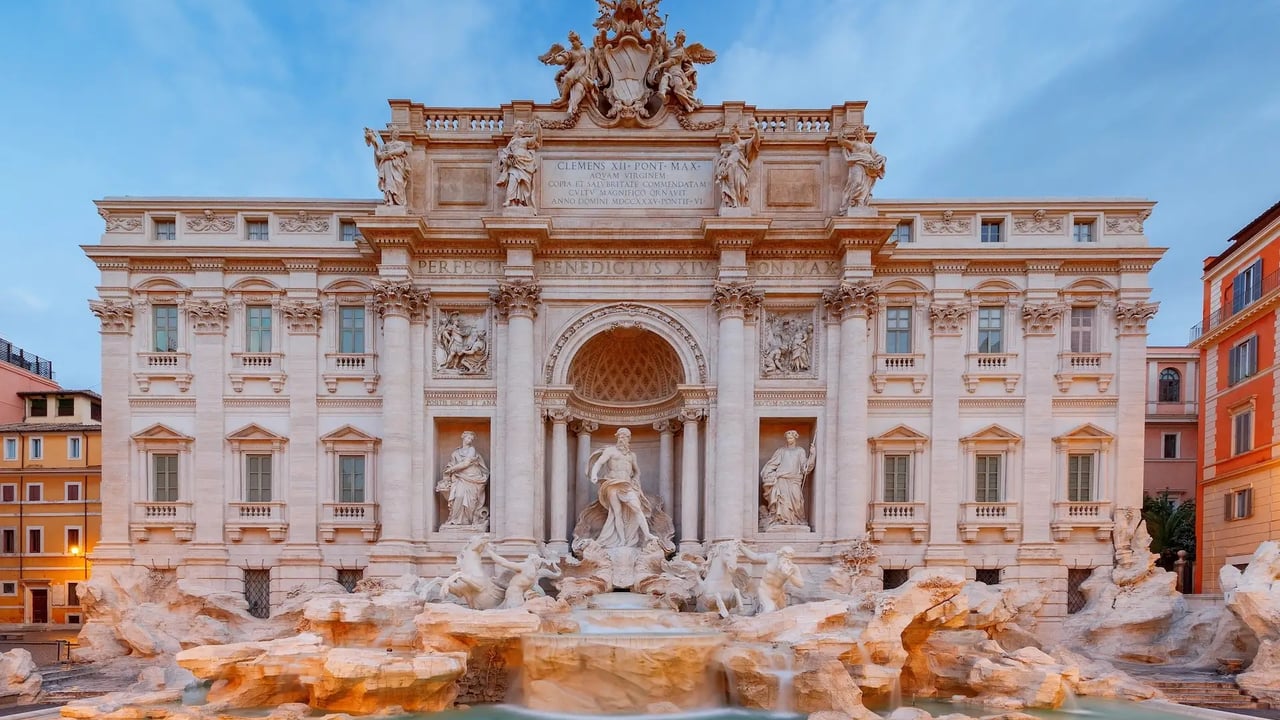
Everything You Need Before Visiting Trevi Fountain
It’s more than a backdrop - it’s a ritual. Learn where to stand for clearer shots, when to arrive for calmer moments, and what small essentials help in the splash zone. You’ll also find quick accessibility notes plus pointers on finding on-site guidance or a self-paced audio tour.